What to Look for in a Hand Soap Refill System: Tablets, Powders, and Liquid Concentrates
By Bluelandoutlet | Published: 2026-05-25
Category: Product Reviews
Discover the pros and cons of hand soap refill systems—tablets, powders, and liquid concentrates—and find the best eco-friendly option for your home with this comprehensive buying guide.
As more households embrace sustainable living, the demand for eco-friendly hand soap refill systems has skyrocketed. Traditional liquid hand soap often comes in single-use plastic bottles that contribute to the global plastic waste crisis. Refillable systems offer a smarter, greener alternative—but with tablets, powders, and liquid concentrates on the market, choosing the right one can be overwhelming. In this buying guide, we’ll break down what to look for in a hand soap refill system, comparing convenience, cost, environmental impact, and performance. Whether you’re a zero-waste beginner or a seasoned eco-warrior, this guide will help you make an informed choice.
Why Switch to a Hand Soap Refill System?
Switching from disposable plastic bottles to a hand soap refill system reduces plastic waste, lowers your carbon footprint, and often saves money over time. According to the EPA, a single household can prevent dozens of plastic bottles from entering landfills each year by using refills. Plus, refill systems are typically more concentrated, meaning less water is shipped, reducing transportation emissions. But not all refill systems are created equal. Let’s explore the three main types: tablets, powders, and liquid concentrates.
Type 1: Hand Soap Tablet Refills
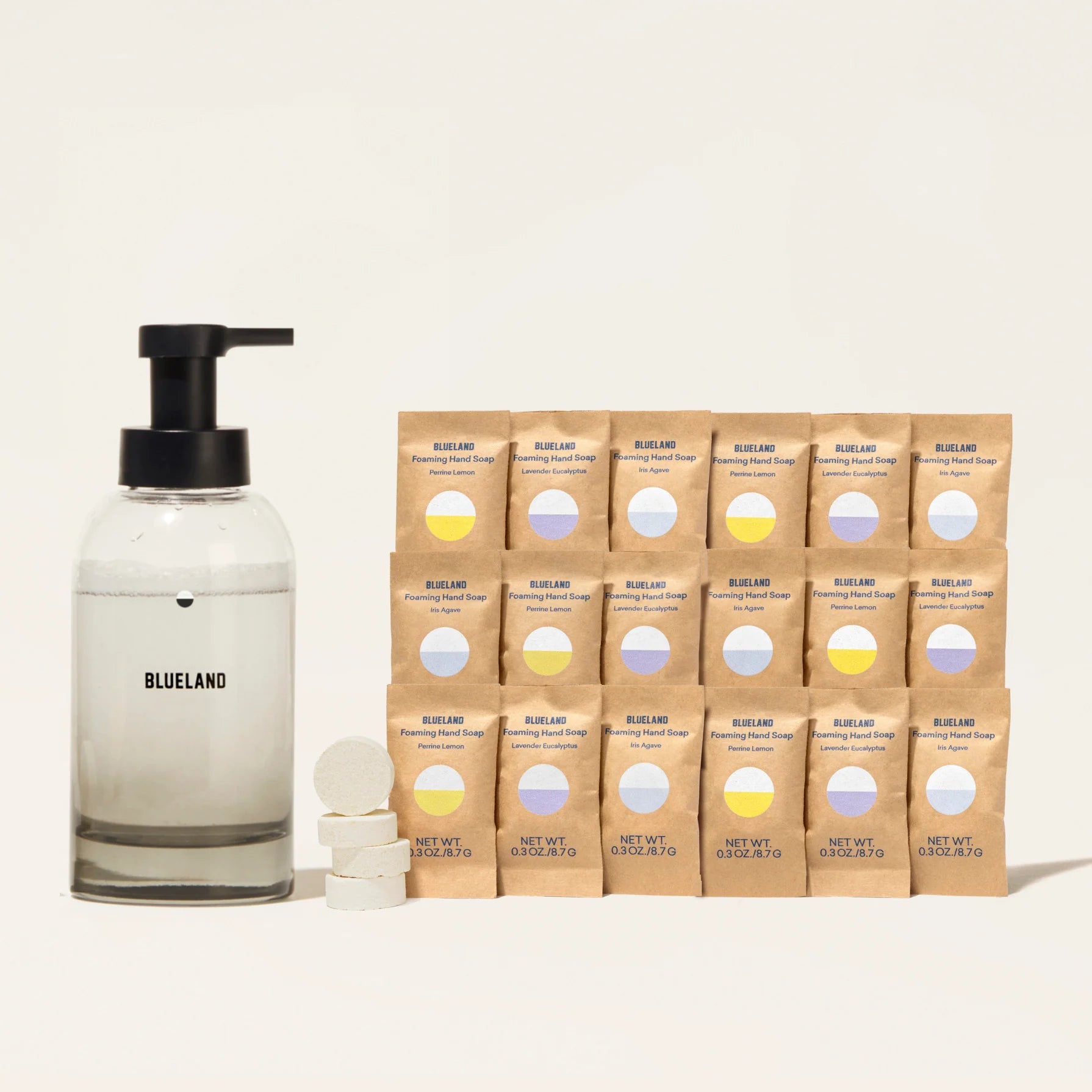
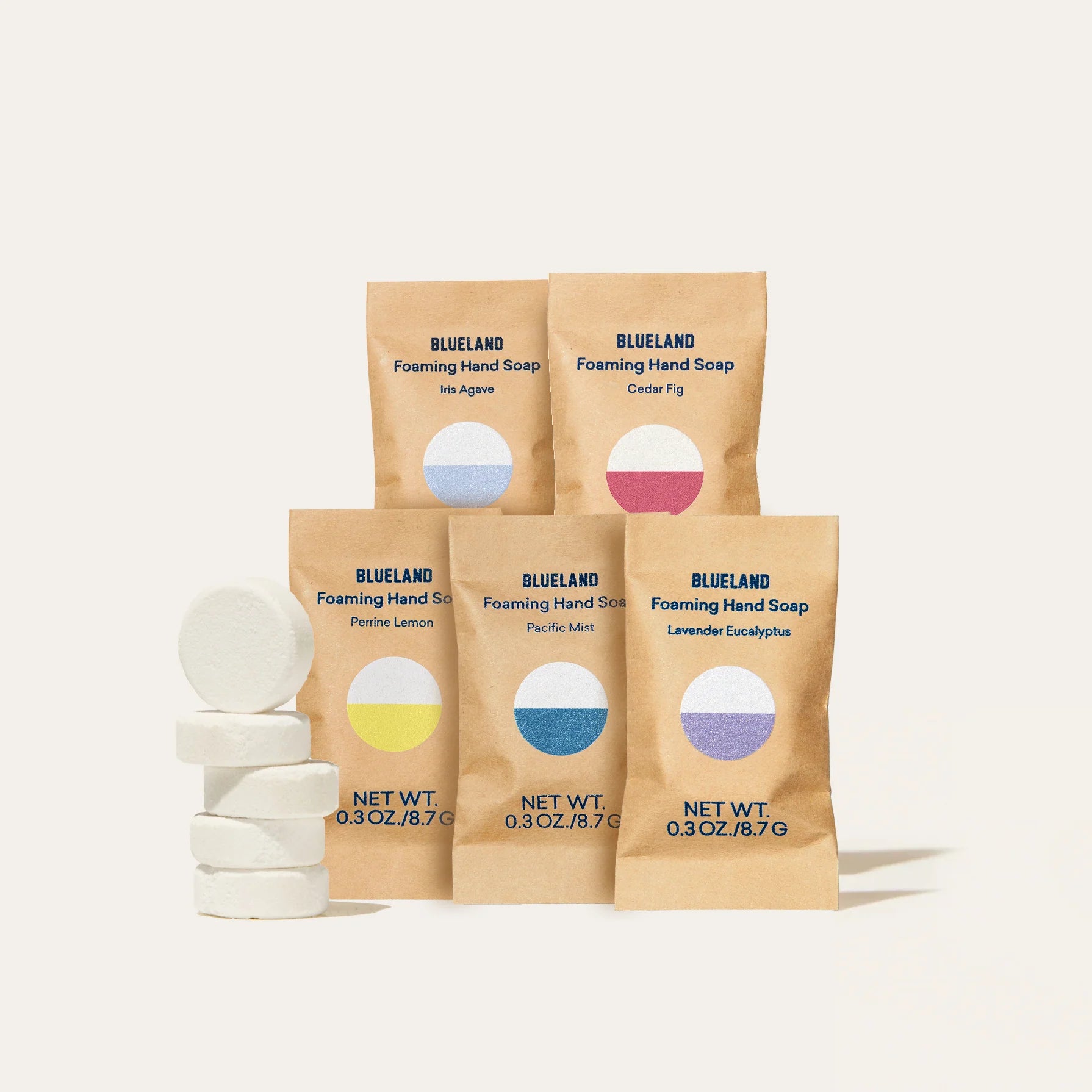
Hand soap tablet refills are small, solid discs that dissolve in water to create liquid soap. They’re incredibly lightweight, compact, and require minimal packaging. Brands like Bluelandoutlet offer tablet refills for their reusable dispensers. For example, the Garden Blooms Hand Soap Tablet Refills are phosphate-free, biodegradable, and come in plastic-free packaging. To use, simply drop a tablet into a reusable bottle filled with water, shake, and let it dissolve. Tablets are ideal for those who value simplicity and low storage space. However, they require a specific bottle design and may take a few minutes to dissolve fully.
Pros of Tablet Refills
- Ultra-lightweight and compact, reducing shipping emissions.
- No liquid mess—no spills during shipping or handling.
- Plastic-free packaging (often compostable or recyclable paper).
- Easy to use: one tablet + water = instant soap.
Cons of Tablet Refills
- Requires a compatible dispenser—not all bottles work.
- Limited scent variety compared to liquid concentrates.
- May leave residue if not dissolved properly.
Type 2: Hand Soap Powder Refills
Powder refills are similar to tablets but in loose form. They’re often sold in paper pouches or cardboard boxes. To use, you scoop the powder into a reusable bottle, add water, and shake. Powders offer more flexibility in concentration (you can make it stronger or milder) but require measuring, which can be messy. They’re less common than tablets but are gaining traction among DIY enthusiasts. For a hassle-free alternative, many users prefer tablet systems like the Hand Soap Tablet Refills, which eliminate the need for measuring spoons.
Pros of Powder Refills
- Very low packaging waste.
- Customizable strength—adjust water-to-powder ratio.
- Often cheaper per use than tablets.
Cons of Powder Refills
- Messy—powder can spill or clump in humid environments.
- Requires a funnel or measuring tool.
- Dissolution time may be slower if not mixed well.
Type 3: Liquid Concentrate Refills
Liquid concentrate refills come in small plastic or aluminum bottles and are mixed with water in a larger dispenser. They’re the most familiar option, as many mainstream brands offer them. However, they still involve plastic packaging, though often less than full-sized bottles. Liquid concentrates are convenient—just pour and go—but they have a higher environmental impact than dry refills due to the water content and heavier packaging. For the greenest choice, dry refills (tablets or powders) are superior.
Pros of Liquid Concentrates
- Instant dissolution—no waiting.
- Wide variety of scents and formulations.
- Compatible with most standard pump bottles.
Cons of Liquid Concentrates
- Heavier packaging—more shipping emissions.
- Often still uses plastic (even if recycled).
- Higher cost per use than tablets.
Key Factors to Consider When Choosing a Hand Soap Refill System
To make the best choice for your household, evaluate these criteria:
| Factor | Tablets | Powders | Liquid Concentrates |
|---|---|---|---|
| Ease of Use | Very easy (drop one tablet) | Moderate (need to measure) | Easy (pour and mix) |
| Packaging Waste | Minimal (paper/compostable) | Minimal (paper/compostable) | Moderate (plastic or aluminum) |
| Cost per Refill | ~$0.50–$1.00 per bottle | ~$0.30–$0.80 per bottle | ~$1.00–$2.00 per bottle |
| Scent Variety | Limited (usually 3-5 scents) | Depends on brand | Wide (10+ scents) |
| Storage Space | Very compact | Compact | Bulkier |
| Environmental Impact | Excellent | Excellent | Good |
What to Look for in a Compatible Dispenser
Most hand soap refill systems require a reusable pump bottle. When choosing a dispenser, consider the following:
- Material: Glass, stainless steel, or durable plastic (BPA-free). Glass is the most eco-friendly and doesn’t degrade over time.
- Capacity: Standard sizes range from 8 oz to 16 oz. Larger bottles mean fewer refills.
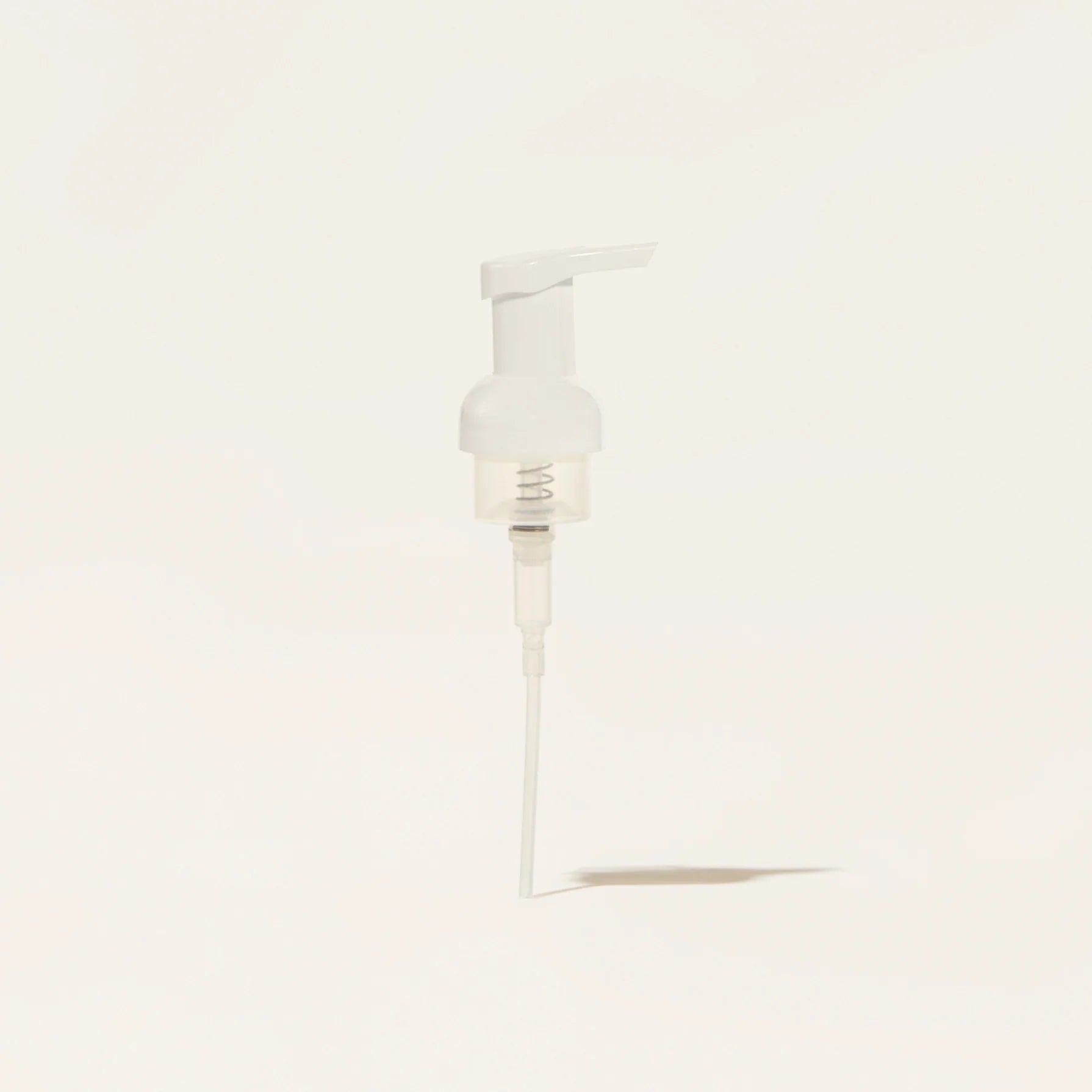
- Pump Quality: A sturdy pump prevents clogs and leaks. Some brands sell refillable pumps separately, like the Hand Soap Pump from Bluelandoutlet, which is designed to work with their tablet refills.
Cost Comparison: Tablets vs. Powders vs. Liquid Concentrates
While initial costs vary, refill systems save money in the long run. A typical 12-oz bottle of liquid hand soap costs $3–$5. With a refill system, the same volume costs about $0.50–$1.50. Over a year, a family of four can save $20–$40 by switching to tablets. Additionally, many brands offer subscription discounts, further reducing costs.
Environmental Impact: Why Tablets Lead the Way
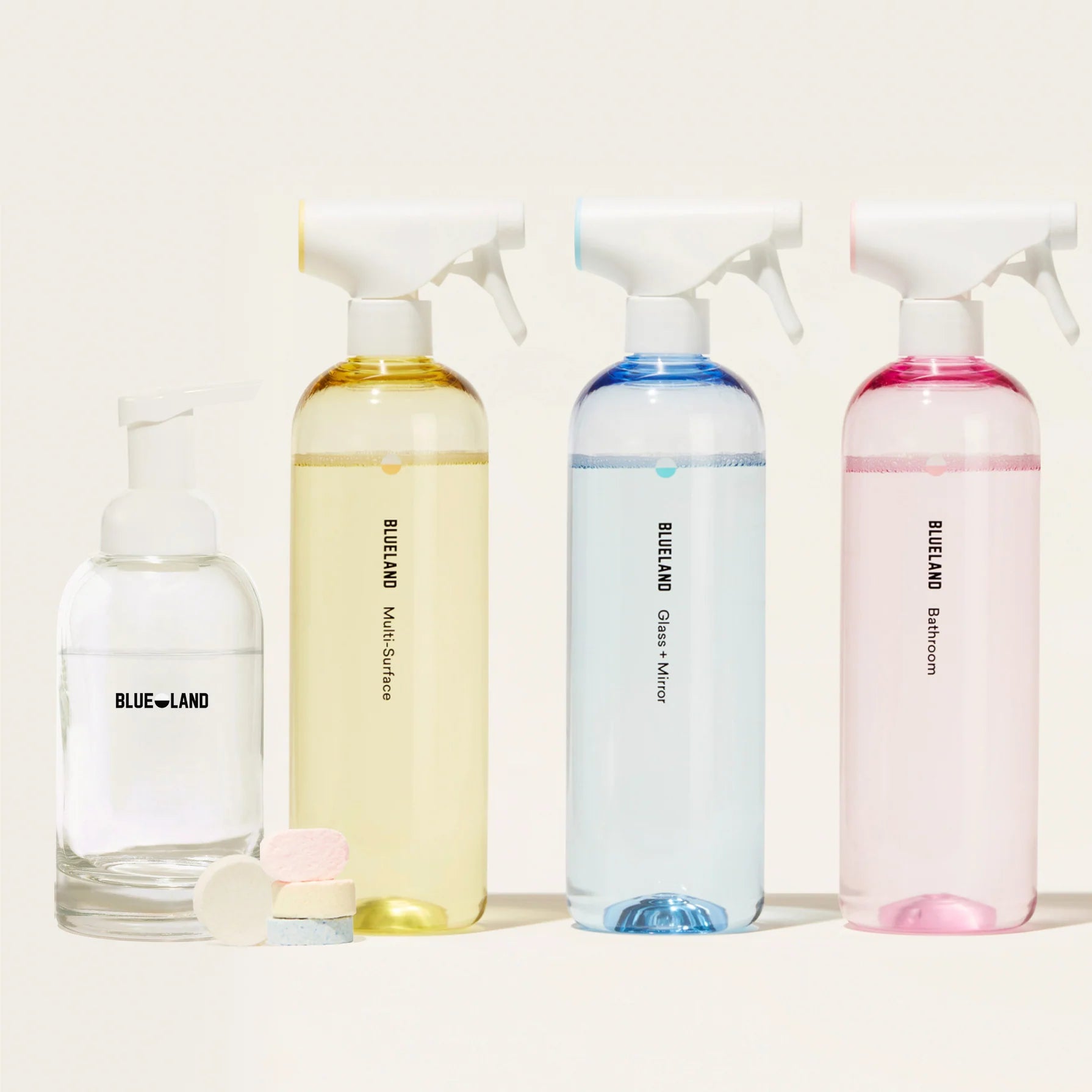
Tablet refills have the lowest carbon footprint because they’re lightweight, require minimal packaging, and are often shipped in plastic-free mailers. For instance, the Clean Essentials Kit bundles a reusable dispenser with tablet refills, eliminating plastic waste from the start. In contrast, liquid concentrates still rely on plastic bottles, albeit smaller ones. Powders are close behind tablets but can generate dust waste during manufacturing.
Common Mistakes to Avoid
- Using the wrong bottle: Some tablets require a specific bottle design—check compatibility before buying.
- Not dissolving tablets fully: Always use warm water and let the tablet dissolve completely before shaking.
- Overfilling the bottle: Leave some headspace to allow for shaking and foam formation.
- Ignoring the pump quality: A cheap pump can clog, especially with thicker formulations.
Final Thoughts: Which System Is Right for You?
If you want the most eco-friendly, convenient, and cost-effective option, hand soap tablet refills are the clear winner. They combine low waste, easy use, and compact storage. For those who prefer customization, powder refills offer flexibility but require more effort. Liquid concentrates are familiar but less sustainable. Ultimately, the best choice is the one you’ll stick with consistently.
Ready to Make the Switch?
Explore Bluelandoutlet’s selection of refillable hand soap systems, including the popular Hand Soap Tablet Refills, and start reducing plastic waste in your home today. Your hands—and the planet—will thank you.