The Ultimate Guide to Choosing the Best Cleaning Sponges for Every Surface
By Bluelandoutlet | Published: 2026-05-23
Category: How-to Guides
Discover how to choose the best cleaning sponges for every surface in your home, from non-scratch options for cookware to eco-friendly choices for dishes. Expert tips included.
When it comes to keeping your home spotless, the humble cleaning sponge is often the unsung hero of your cleaning arsenal. But with so many types available—from cellulose sponges to scrub pads and non-scratch options—choosing the right one for each surface can feel overwhelming. Using the wrong sponge can scratch delicate cookware, leave lint on glass, or even harbor bacteria. In this ultimate guide, we’ll break down the best sponge types for every surface, highlight eco-friendly alternatives, and show you how to pair them with the right cleaning products—like our Hand Soap Duo—for a truly effective routine.
Why Sponge Type Matters: Protecting Your Surfaces and Your Health
Not all sponges are created equal. The material, density, and abrasiveness determine how well a sponge cleans and whether it will damage the surface. For example, a harsh scouring pad can ruin a non-stick pan, while a soft cellulose sponge may not cut through baked-on grime on a cast-iron skillet. Additionally, traditional synthetic sponges are often made from petroleum-based materials that are not biodegradable, contributing to plastic pollution. By choosing the right sponge—and pairing it with effective, non-toxic cleaners like those from Blueland—you can clean more efficiently while reducing waste.
The Top Sponge Types for Common Household Surfaces
1. Non-Scratch Sponges for Cookware and Non-Stick Surfaces
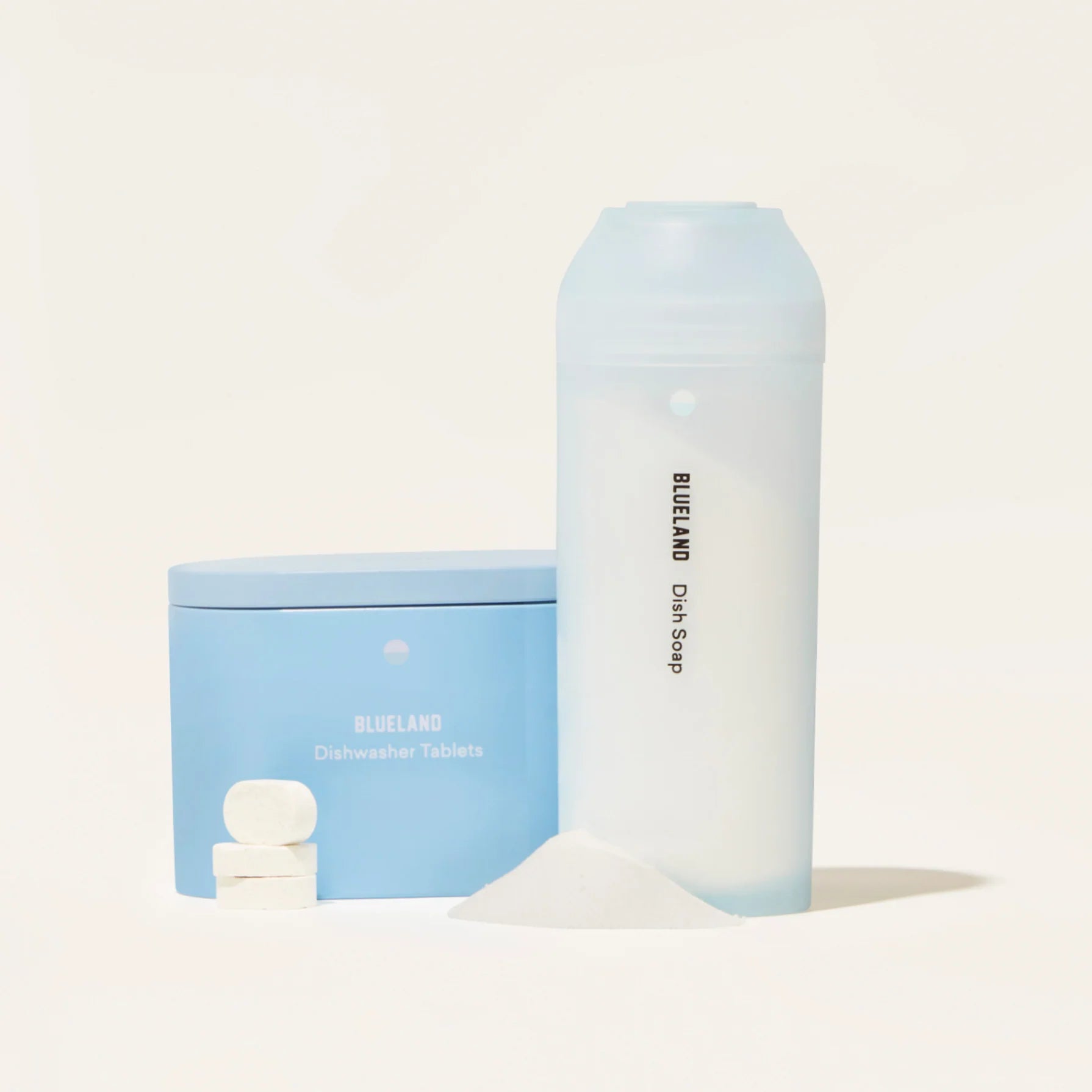
For delicate cookware like non-stick pans, ceramic pots, and enameled cast iron, a non-scratch sponge is essential. Look for sponges made from melamine foam (like magic erasers) or fine-textured cellulose with a soft scrub layer. These sponges can lift baked-on food without leaving micro-scratches. Pair them with a gentle dish soap, such as the Dish Soap Starter Set, which uses plant-based ingredients to cut grease without harsh chemicals.
2. Scrubbing Sponges for Tough Stains on Durable Surfaces
For stainless steel sinks, ceramic tiles, and glass cooktops, a heavy-duty scrubbing sponge with a built-in abrasive pad works wonders. However, avoid using these on non-stick or polished surfaces. A good rule of thumb: if the surface is shiny or coated, stick with a non-scratch option. For routine cleaning, the Multi-Surface Cleaner Tablet Refills dissolve in water to create a powerful yet non-toxic spray that works beautifully with scrub sponges on countertops and tile.
3. Cellulose Sponges for Everyday Dishwashing
Natural cellulose sponges are excellent for general dishwashing and wiping counters. They are highly absorbent and biodegradable, making them a top eco-friendly choice. For best results, replace them every two weeks to prevent bacterial buildup. To complement your sponge routine, consider using the Hand Soap Pump for your sink area—it’s refillable and plastic-free, reducing waste.
Eco-Friendly Sponge Alternatives You Should Try
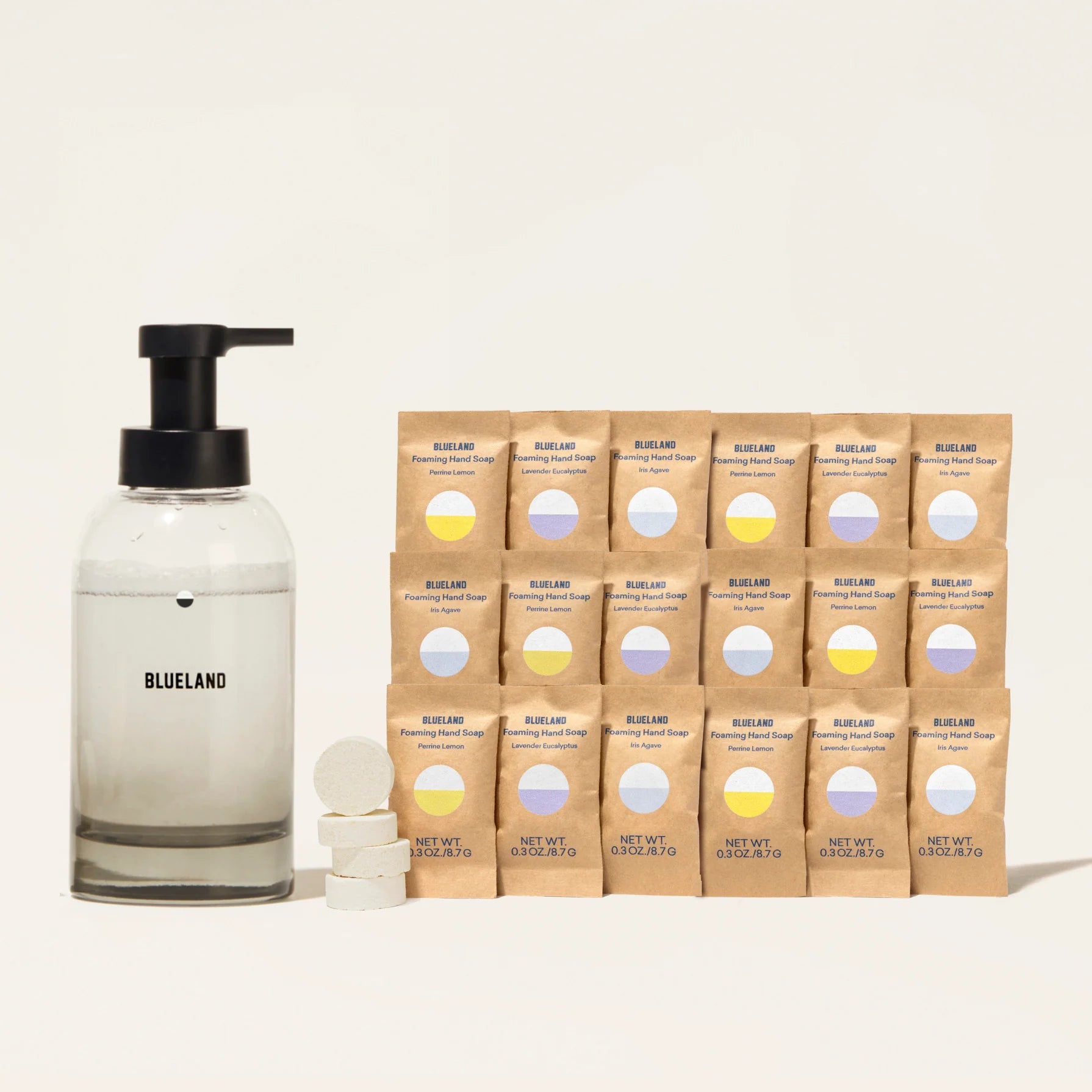
If you’re looking to reduce plastic waste, switch to biodegradable sponges made from natural materials like loofah, coconut husk, or wood pulp. Another option is silicone sponges, which are durable, non-porous, and can be sanitized in the dishwasher. While silicone sponges last much longer than traditional ones, they may not be as absorbent. For a complete zero-waste cleaning routine, combine eco-friendly sponges with refillable cleaning products like the Hand Soap Starter Set, which includes a durable glass pump and concentrated tablets.
How to Pair Sponges with Cleaning Products for Best Results
Using the right sponge is only half the battle. The cleaning product you pair it with matters just as much. For example:
- For dishes: Use a non-scratch sponge with a few drops of concentrated dish soap from the Dish Soap Starter Set. The soap’s plant-based formula works well with gentle scrubbing, even on non-stick surfaces.
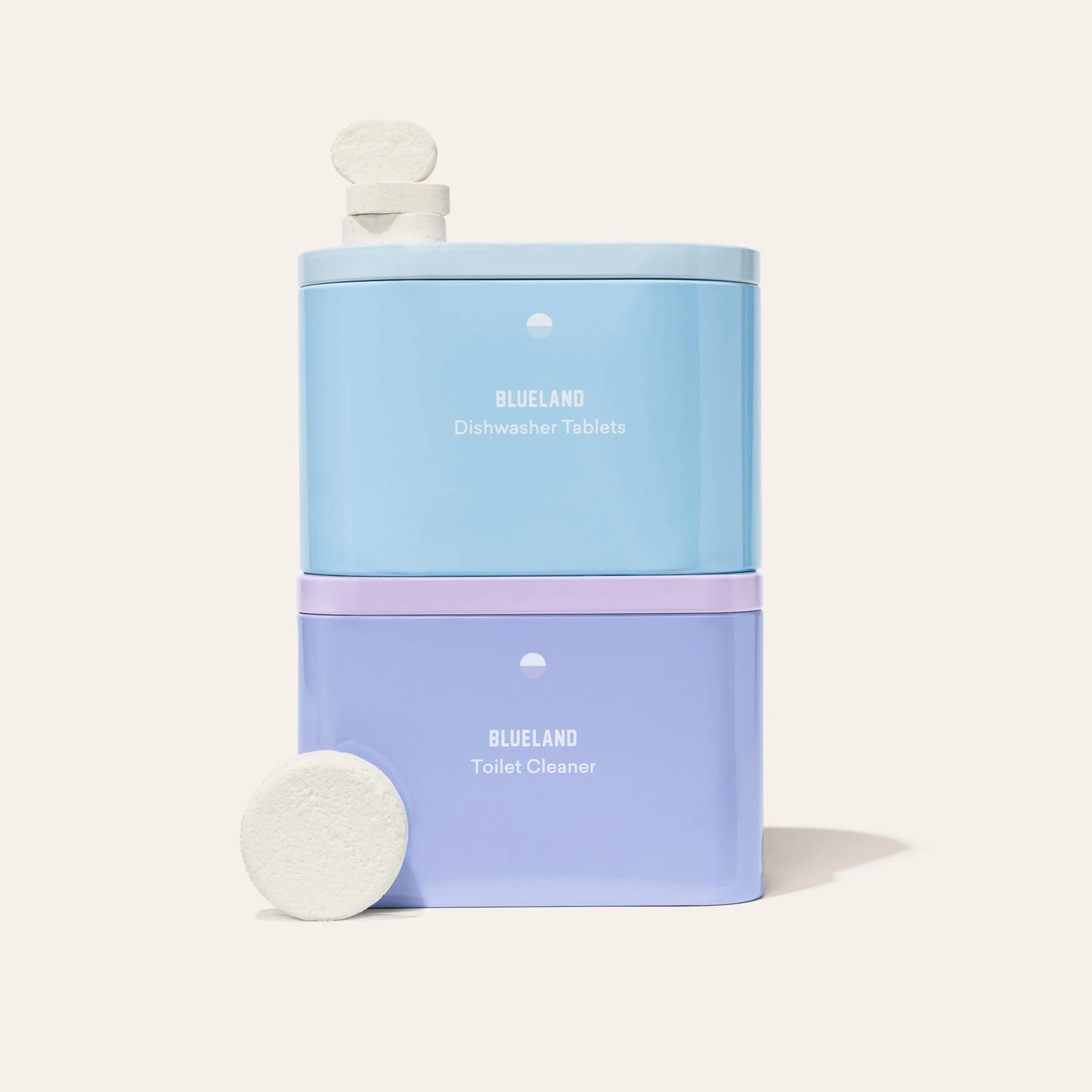
- For bathroom tiles and grout: A scrub sponge combined with the Toilet Bowl Cleaner Forever Tin tablets (dissolved in water) makes a powerful, non-toxic cleaner that won’t damage glossy surfaces.
- For laundry stains: Pre-treat stains with a damp sponge and a bit of the Oxi Laundry Booster Starter Set dissolved in water—this oxygen-based formula lifts stains without bleach.
Maintaining Your Sponges: Tips for Longevity and Hygiene
To keep your sponges clean and effective, follow these tips:
- Rinse thoroughly after each use and squeeze out excess water.
- Microwave damp sponges for 1-2 minutes (if they don’t contain metal) to kill bacteria.
- Replace regularly: Natural sponges every 2-3 weeks; silicone sponges every 3-6 months.
- Avoid cross-contamination: Use separate sponges for dishes, counters, and bathroom surfaces.
Common Mistakes to Avoid When Using Sponges
Even with the best sponge, mistakes can happen. Here’s what to avoid:
- Using a scrub sponge on non-stick pans—this will scratch the coating and ruin the pan.
- Leaving sponges wet in the sink—this encourages mold and bacteria growth.
- Using the same sponge for raw meat and dishes—always designate a separate sponge for raw meat contact surfaces.
- Ignoring the smell—a smelly sponge is a bacterial breeding ground; toss it immediately.
Conclusion: Build Your Perfect Cleaning Kit
Choosing the right cleaning sponge doesn’t have to be complicated. By matching the sponge type to the surface, opting for eco-friendly materials, and pairing with non-toxic cleaning products, you can achieve a sparkling clean home without harming the environment. Start your zero-waste journey today with the Clean Suite Kit, which includes everything you need to get started—from a reusable spray bottle to concentrated cleaning tablets. Your surfaces (and the planet) will thank you.