The Science Behind Cleaning Tablets: How Active Ingredients Work on Grease, Grime, and Stains
By Bluelandoutlet | Published: 2026-05-26
Category: Industry News
Discover the chemistry behind cleaning tablets—how enzymes, surfactants, and chelating agents break down grease, grime, and stains for an eco-friendly, effective clean.
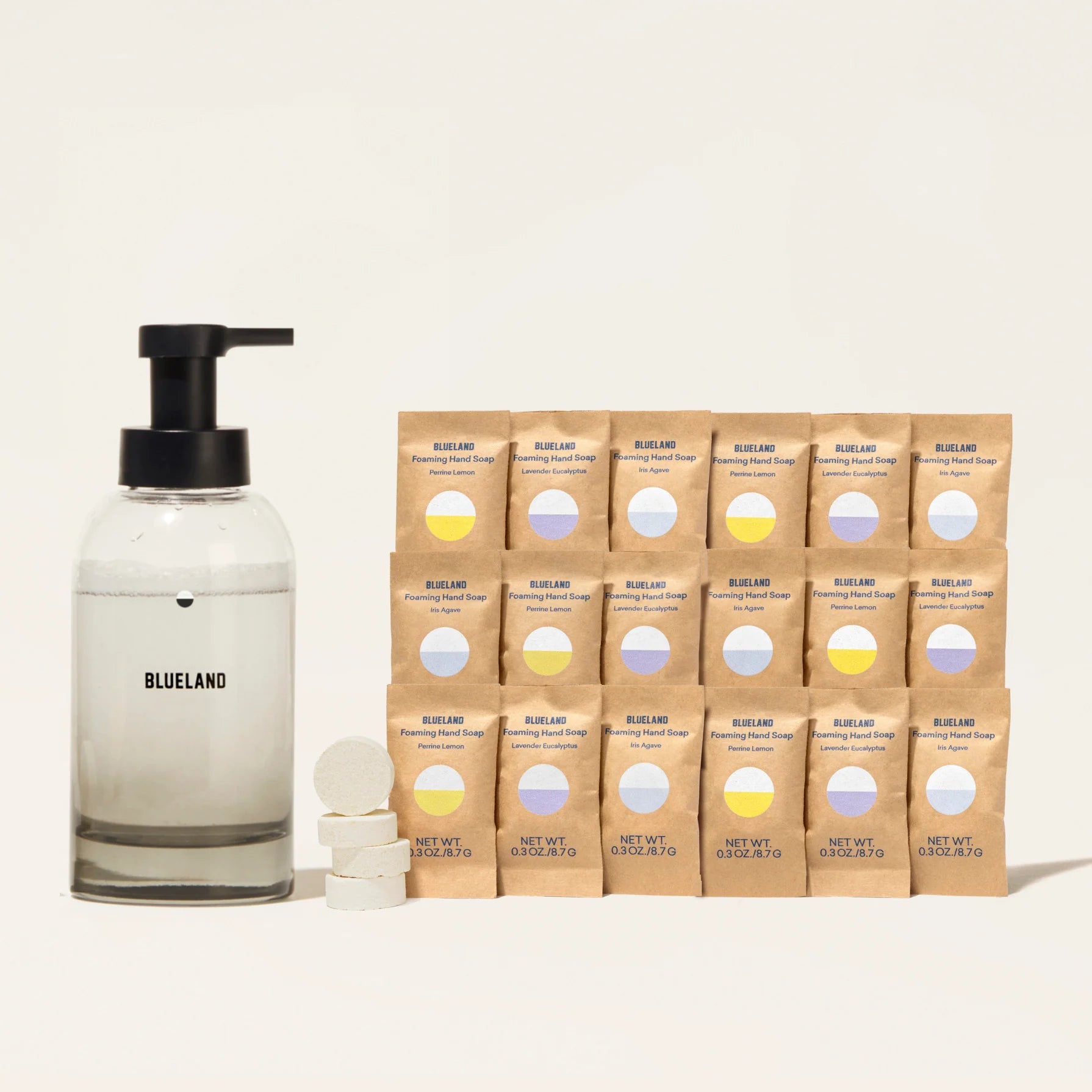
Cleaning tablets have revolutionized the way we approach household chores, offering a concentrated, plastic-free alternative to traditional liquid cleaners. But what makes these tiny tablets so effective at tackling stubborn grease, grime, and stains? The answer lies in a sophisticated blend of active ingredients designed to work together at the molecular level. In this article, we’ll dive into the science behind cleaning tablets—exploring the key chemical compounds, how they interact with dirt, and why this technology is a game-changer for eco-conscious homes. Whether you’re a chemistry enthusiast or simply curious about how your Hand Soap Forever Bottle delivers sparkling clean hands without the waste, understanding the science will help you appreciate the power of tablet refill technology.
What Are Cleaning Tablets Made Of? Key Active Ingredients
Cleaning tablets are typically formulated with a carefully balanced mix of surfactants, enzymes, chelating agents, builders, and pH adjusters. Each component plays a specific role in breaking down different types of soil, from oily residues to protein-based stains. Let’s examine the major players:
Surfactants: The Grease Fighters
Surfactants (short for surface-active agents) are the workhorses of any cleaning product. They have a unique molecular structure with a water-loving (hydrophilic) head and a water-repelling (hydrophobic) tail. When dissolved in water, surfactants reduce surface tension, allowing the solution to penetrate and lift grease and oil from surfaces. The hydrophobic tails attach to fatty soils, while the hydrophilic heads stay in the water, forming micelles that suspend the dirt until it’s rinsed away. In tablet formulations, surfactants are often derived from plant-based sources, making them biodegradable and gentle on aquatic ecosystems.
Enzymes: Targeted Stain Removers
Enzymes are biological catalysts that accelerate chemical reactions, and in cleaning tablets, they’re specifically chosen to digest common stains. Proteases break down protein-based stains like food, blood, or grass; lipases target fats and oils; amylases dissolve starch-based residues; and cellulases help maintain fabric brightness by removing fuzzy fibers. Unlike harsh bleaches, enzymes work at lower temperatures and are highly specific, meaning they only attack the soil without damaging surfaces or fabrics. This precision makes them ideal for tablet refill systems, where the concentrated formula must work quickly and efficiently.
Chelating Agents: Softening Water and Lifting Mineral Deposits
Hard water contains calcium and magnesium ions that can inhibit cleaning performance and leave behind white residues or films. Chelating agents (such as citric acid, EDTA, or sodium gluconate) bind to these metal ions, preventing them from interfering with surfactants and enzymes. This “sequestering” action ensures that the cleaning solution works effectively even in hard water conditions. Plus, chelators help dissolve limescale and soap scum, making them essential for bathroom and kitchen cleaners.
Builders and pH Adjusters
Builders like sodium carbonate or sodium bicarbonate help maintain an optimal pH for cleaning—typically alkaline for grease removal (pH 8–10) or slightly acidic for mineral deposits. They also buffer the solution, ensuring that the active ingredients remain stable throughout the cleaning process. pH adjusters fine-tune the formula to suit specific applications; for example, a toilet cleaner may be more acidic to tackle uric acid crystals, while a laundry tablet might be neutral to protect delicate fabrics.
How Cleaning Tablets Work on Different Surfaces
The same tablet can behave differently depending on the surface and the type of soil. Understanding this interaction helps you choose the right product for each task.
On Grease and Oil in the Kitchen
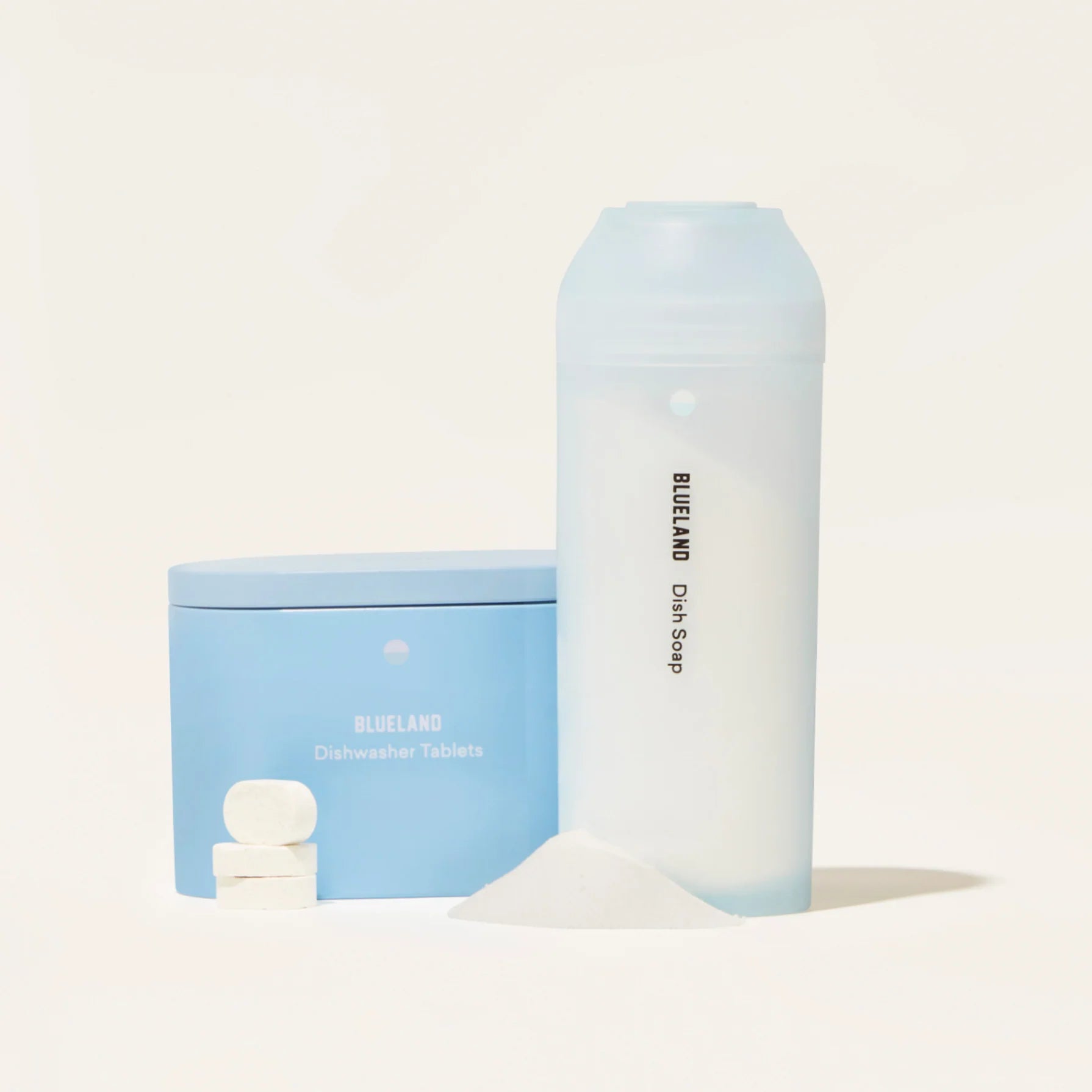
Grease is a mixture of triglycerides (fats) that are hydrophobic and sticky. When you dissolve a dishwasher tablet or a multi-surface cleaner tablet in water, the surfactants immediately go to work. They surround grease droplets, breaking them into smaller particles that can be emulsified and rinsed away. For tough baked-on grease, enzymes—especially lipases—help chop long-chain fatty acids into shorter, water-soluble pieces. This dual action is why tablet-based cleaners often outperform liquid soaps that lack enzymatic power. For example, the 1 Year of Dishwasher Detergent uses a blend of enzymes and surfactants to leave dishes spot-free even after heavy meals.
On Grime and Soap Scum in the Bathroom
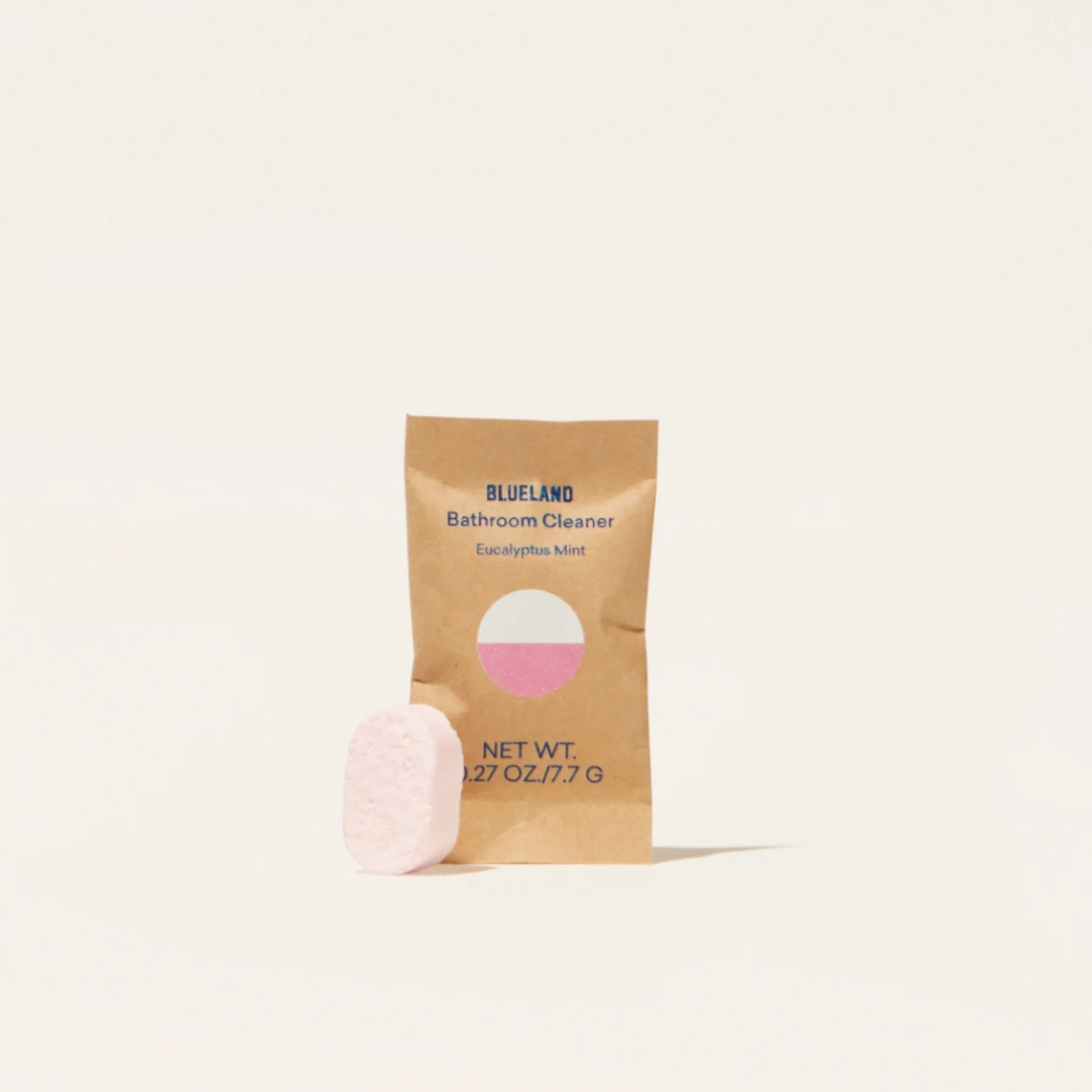
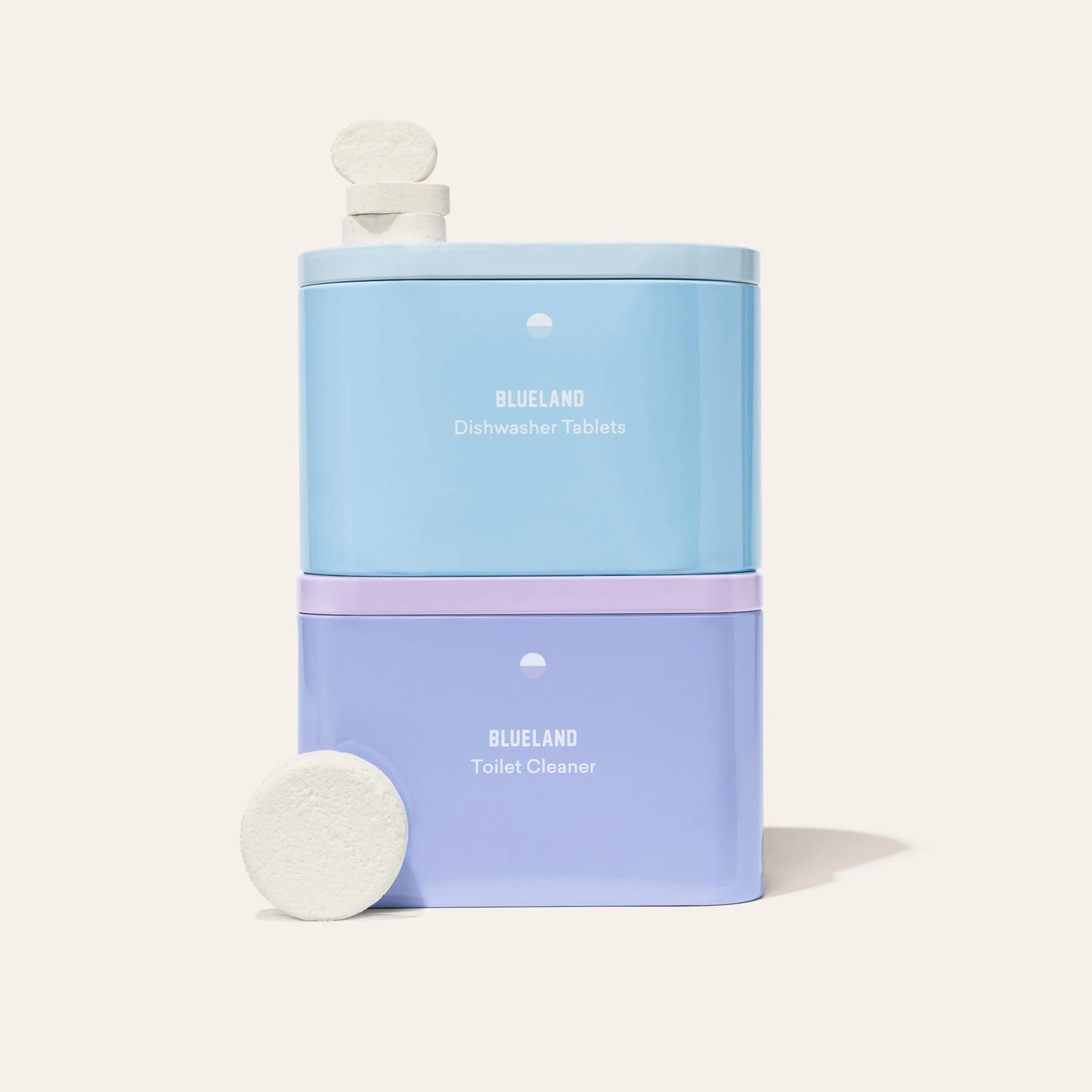
Bathroom grime is a mix of body oils, soap residues, and mineral deposits from hard water. Here, chelating agents are the stars—they dissolve calcium-based scum while surfactants lift organic soils. Acidic ingredients like citric acid or lactic acid can further break down uric acid and rust stains. Tablet refills designed for bathroom use often combine all these ingredients into a single effervescent puck that activates upon contact with water. The Toilet Bowl Cleaner Starter Set exemplifies this technology, using a controlled-release formula that clings to porcelain for deep cleaning without harsh fumes.
On Protein and Starch Stains in Laundry
Laundry stains are diverse—think spaghetti sauce, grass, or sweat. Enzymes are indispensable here. A laundry tablet typically contains multiple enzyme types to cover a wide stain spectrum. When the tablet dissolves in the wash, proteases cut protein chains into smaller peptides, amylases break starch into sugars, and lipases digest fats. The chelating agents also protect the enzymes from hard water metals that could denature them. This synergy means you can wash at lower temperatures (30–40°C) without sacrificing stain removal, saving energy and extending fabric life. For a full-year supply, consider the 1 Year of Laundry Detergent, which delivers consistent enzymatic performance across hundreds of loads.
The Role of Water and Temperature in Tablet Activation
Most cleaning tablets are designed to dissolve quickly in water, releasing their active ingredients in a controlled sequence. The tablet’s binder—often a starch or cellulose derivative—ensures that it doesn’t crumble prematurely. Temperature matters: while some enzymes work best at warm temperatures (around 40°C), modern formulations are engineered for cold-water performance. The effervescence (fizzing) you see when a tablet hits water is usually from a reaction between citric acid and sodium bicarbonate, which helps distribute the ingredients evenly. This physical process, combined with chemical dissolution, ensures that every molecule reaches the soil.
Comparing Tablet Refill Technology to Traditional Cleaners
Traditional liquid cleaners are about 80–90% water, meaning you’re paying to ship heavy, bulky bottles. In contrast, tablet refills are anhydrous (dry) and highly concentrated, reducing transportation emissions and packaging waste. The active ingredients in tablets are also more stable in solid form—they don’t degrade over time as liquids can. Furthermore, because the user adds water at home, the formulation can be tailored to specific tasks (e.g., a higher enzyme dose for laundry, a stronger surfactant blend for dishwashing). This modular approach is the future of eco-friendly cleaning, as it minimizes plastic use and allows for precise dosing.
Safety and Environmental Considerations
Modern cleaning tablets are increasingly free of phosphates, chlorine bleach, and synthetic fragrances. Instead, they rely on biodegradable surfactants, plant-derived enzymes, and natural chelators like sodium citrate. This shift reduces aquatic toxicity and bioaccumulation. However, it’s important to follow dosage instructions—using too many tablets can lead to residues or sink foaming. Always store tablets in a cool, dry place to prevent premature activation (moisture can trigger the effervescence reaction). For families with young children or pets, choose tablets packaged in child-resistant materials and keep them out of reach.
Future Trends in Cleaning Tablet Chemistry
The field is advancing rapidly. Researchers are exploring encapsulated enzymes that release only when triggered by specific soils, and smart tablets that change color when the cleaning cycle is complete. There’s also growing interest in probiotic cleaning tablets that introduce beneficial bacteria to surfaces, outcompeting pathogens without chemicals. Meanwhile, formulators are perfecting cold-water enzyme blends to further reduce energy use. As consumers demand transparency, many brands now list the exact enzyme types and concentrations on their packaging, empowering informed choices.
Why Understanding the Science Matters for Your Home
When you know how cleaning tablets work, you can optimize your routine. For instance, pre-treating stains with water before adding a tablet helps enzymes penetrate faster. Using the correct water temperature ensures peak enzyme activity. And pairing tablets with a reusable forever bottle—like the Spray Cleaner Forever Bottle—creates a closed-loop system that eliminates single-use plastic entirely. The science behind tablet refill technology is not just about cleanliness; it’s about efficiency, sustainability, and a deeper connection to the chemistry that keeps our homes healthy.
Ready to experience the science of cleaning tablets in your own home? Explore the Clean Suite Kit, which bundles a forever bottle with a variety of tablet refills for every room—from kitchen to bathroom to laundry. It’s the perfect starting point for a smarter, greener clean.