Refillable Cleaning Products vs. Traditional Cleaners: A Comprehensive Cost-Benefit Analysis
By Bluelandoutlet | Published: 2026-06-01
Category: Industry News
Compare refillable cleaning products vs. traditional cleaners on cost, sustainability, and performance. Discover how tablet refills save money and reduce waste for your home.
When it comes to maintaining a clean home, the choice between refillable cleaning products and traditional cleaners has never been more critical. As sustainability takes center stage in the home care industry, many households are rethinking their cleaning routines. This comprehensive cost-benefit analysis explores the financial, environmental, and practical differences between refillable systems and conventional bottles, helping you make an informed decision for your home and budget.
Understanding Refillable Cleaning Products
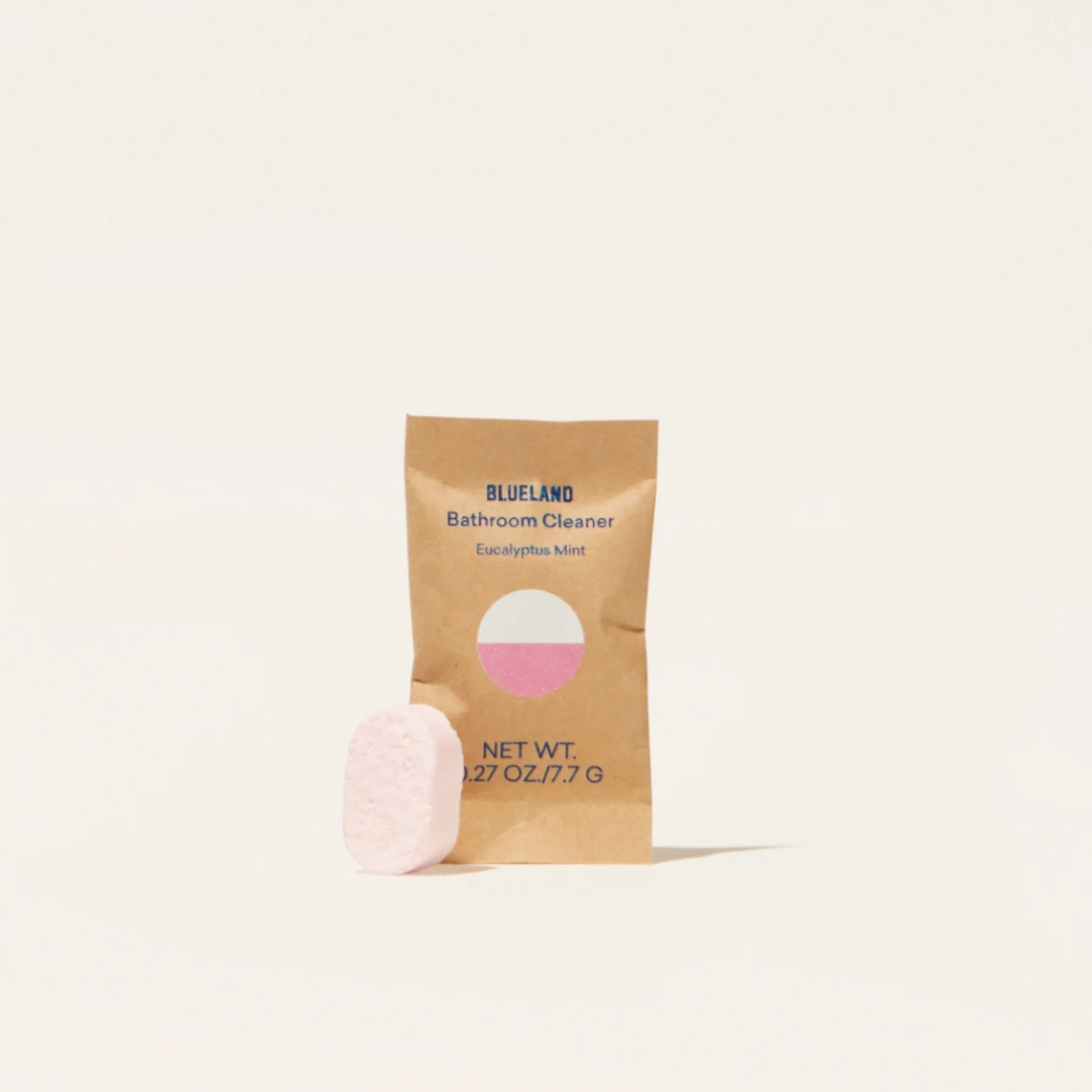
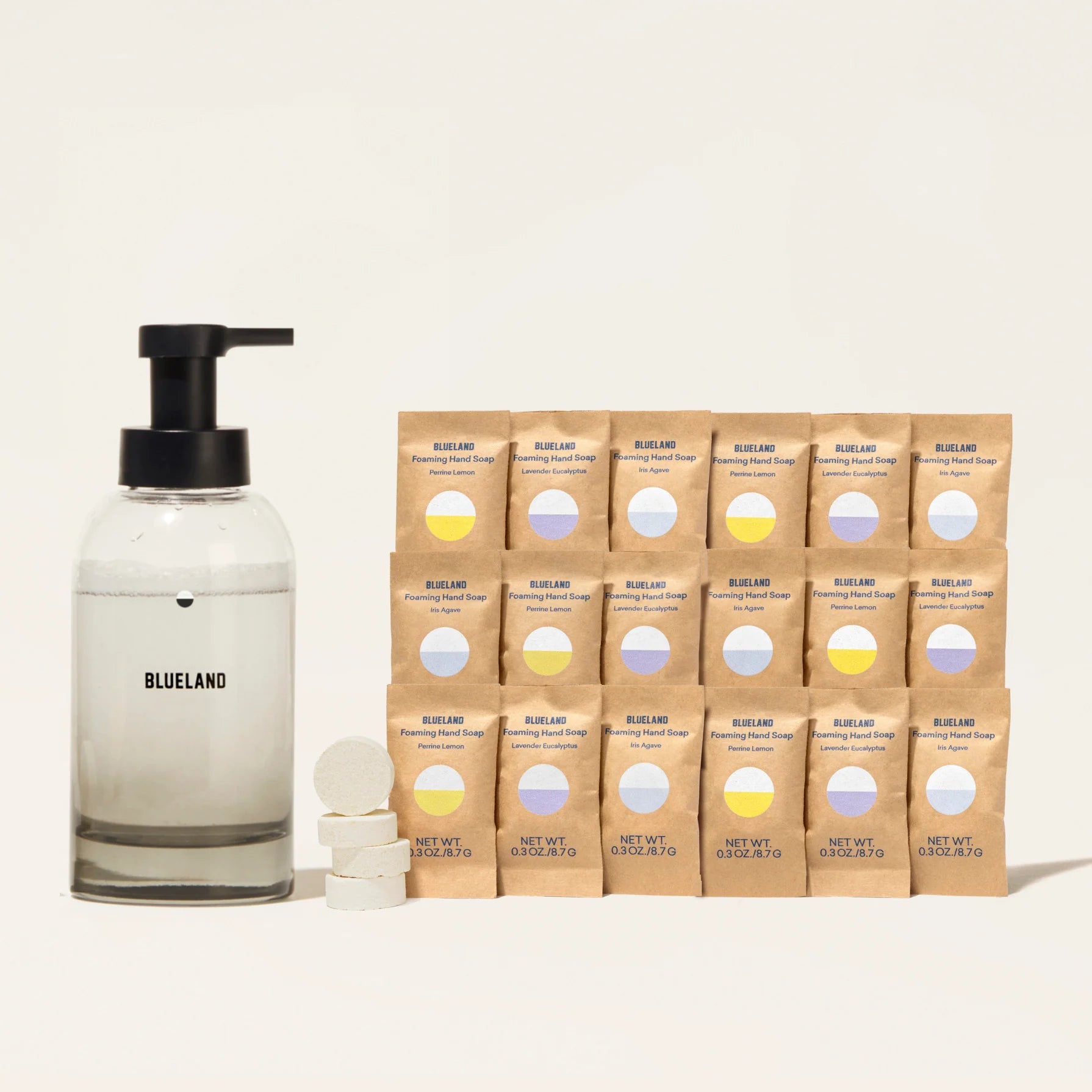
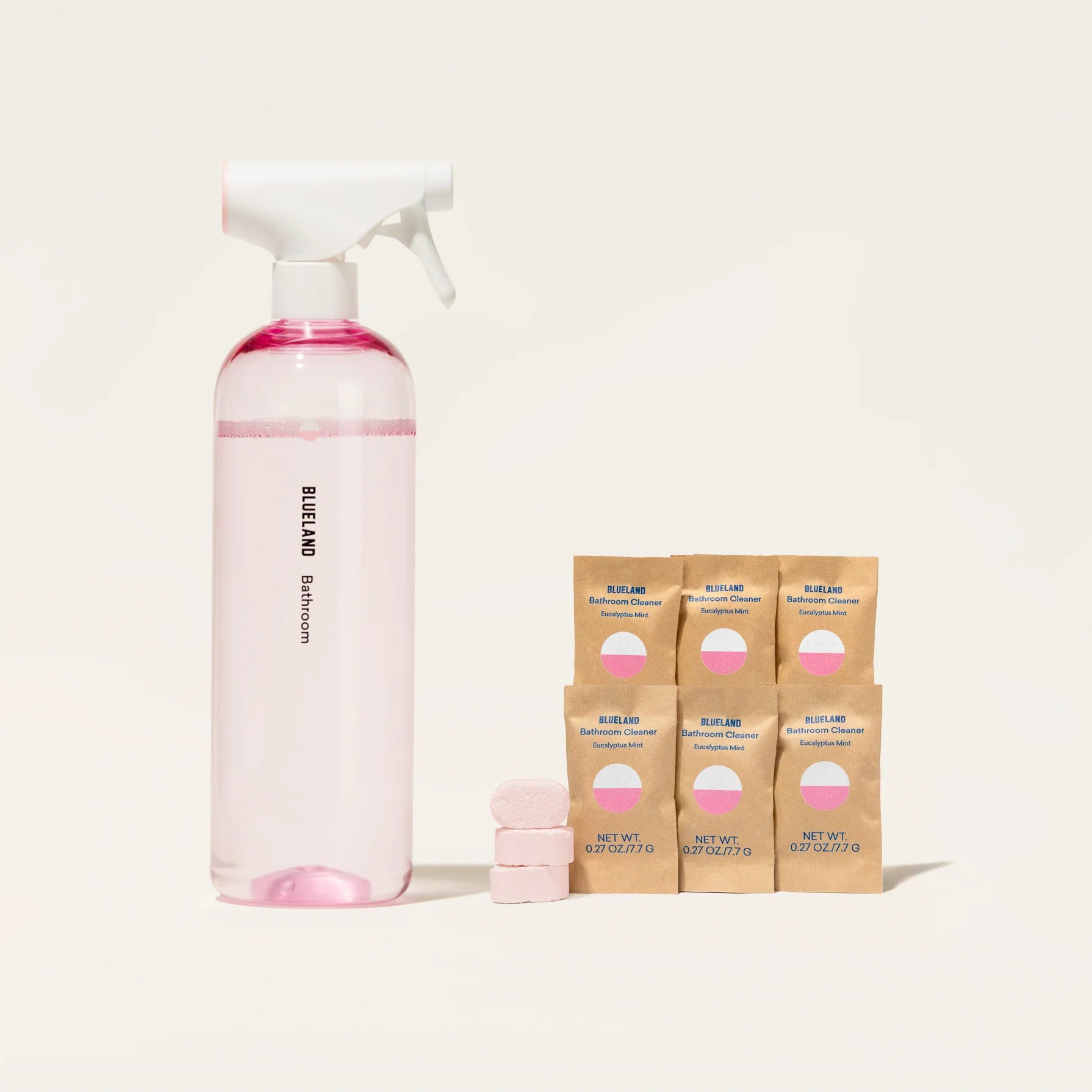
Refillable cleaning products, such as Hand Soap Tablet Refills and multi-surface cleaner tablets, are designed to minimize waste. Instead of buying a new plastic bottle every time you run out, you purchase concentrated tablets or powders that you mix with water at home. These systems typically include a durable forever bottle—like the Hand Soap Forever Bottle—which you reuse indefinitely. The result is a closed-loop system that drastically reduces single-use plastic consumption.
The True Cost of Traditional Cleaners
Traditional liquid cleaners are convenient but come with hidden costs. A standard 24-ounce bottle of multi-surface cleaner might cost $3–$5 at retail, but that price includes the plastic bottle, shipping weight (mostly water), and marketing overhead. Over a year, a typical household might spend $50–$100 on various cleaning products, not including the environmental cost of disposing of dozens of plastic bottles. Additionally, many traditional brands use harsh chemicals that can irritate skin and harm aquatic life when washed down drains.
Upfront Costs vs. Long-Term Savings
The initial investment for a refillable system is often higher—a starter kit might cost $20–$30. However, the savings accumulate quickly. Consider the Laundry Detergent Starter Set: for roughly the price of three large liquid detergent bottles, you get a reusable dispenser and enough tablet refills for months. Each subsequent refill costs 30–50% less than buying a new plastic bottle of liquid detergent. Over one year, the savings can exceed 40% compared to traditional products.
| Category | Traditional Cost (Annual) | Refillable Cost (Annual) | Savings |
|---|---|---|---|
| Hand Soap | $36 | $18 | 50% |
| Laundry Detergent | $60 | $35 | 42% |
| All-Purpose Cleaner | $24 | $12 | 50% |
| Toilet Cleaner | $30 | $18 | 40% |
Environmental Impact: Beyond the Price Tag
Traditional cleaners generate an enormous amount of plastic waste. The EPA estimates that the average household discards 30–40 plastic cleaning bottles each year, most of which end up in landfills or oceans. Refillable products, on the other hand, use 90% less plastic packaging. The Glass + Mirror Cleaner Tablet Refills come in a small, compostable wrapper, and the spray bottle is made from durable glass or recycled aluminum. Over a decade, a single forever bottle can replace 50+ disposable containers.
Carbon Footprint Comparison
Because refillable tablets are lightweight and shipped in bulk, their transportation carbon footprint is significantly lower. Traditional liquid cleaners are 90% water, meaning you're paying to ship heavy water across the country. Refills are compact and dry, reducing fuel consumption and associated emissions by up to 70% per use cycle.
Performance: Do Refillable Products Clean as Well?
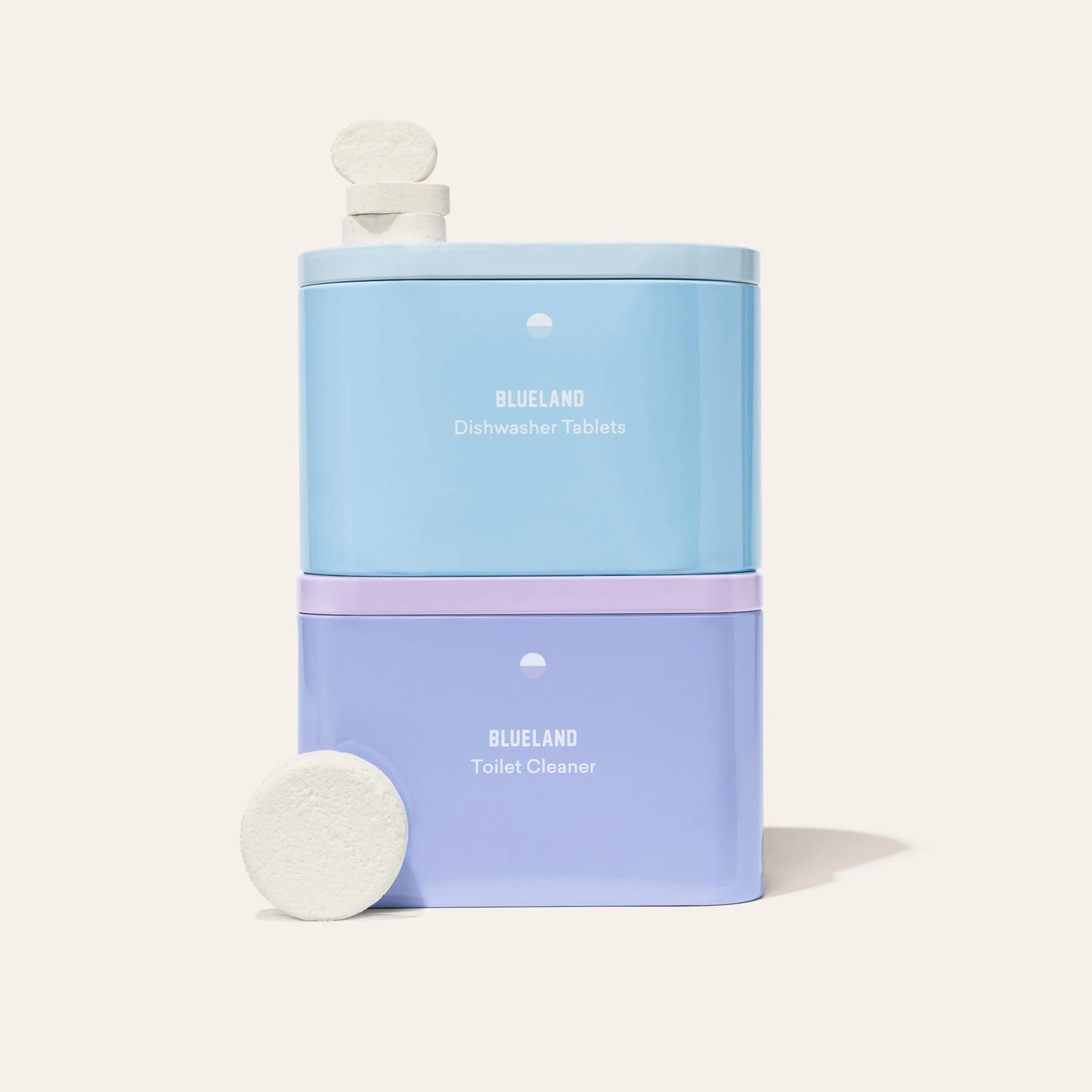
Many consumers worry that concentrated tablets won't match the cleaning power of traditional liquids. In reality, modern tablet formulations are highly effective, often outperforming conventional cleaners because they use precise concentrations of active ingredients without excess water. The Toilet Bowl Cleaner Starter Set, for example, uses a tablet that dissolves into a powerful cleaning solution that tackles stains and disinfects without harsh fumes. Independent lab tests show that many tablet refills achieve the same or better results as leading liquid brands on common surfaces like glass, ceramic, and fabric.
Convenience and Storage
Traditional bulky bottles take up valuable cabinet space. Refillable systems consolidate cleaning into compact tablet packs and reusable bottles. A single drawer can hold a year's supply of refills for your entire home. Plus, there's no need to lug heavy bottles from the store—tablets arrive in a small envelope via mail. For busy households, this simplicity is a major advantage.
Health and Safety Considerations
Many traditional cleaners contain volatile organic compounds (VOCs), phthalates, and synthetic fragrances that can trigger allergies or asthma. Refillable products often use plant-based, biodegradable ingredients that are safer for children and pets. The absence of preservatives (since the water is added at home) also means fewer chemical additives. Always check ingredient labels, but in general, refillable brands prioritize non-toxic formulations.
Common Misconceptions Debunked
- "Refills are more expensive." As shown in the table above, the per-use cost is lower over time.
- "Tablets don't dissolve properly." Modern tablets dissolve completely in warm water within seconds.
- "You need special bottles." Most systems include a durable bottle, but some work with standard sprayers.
- "They are less effective on tough stains." Tablets are formulated with concentrated enzymes and surfactants that cut through grease and grime.
Best Practices for Transitioning to Refillable Cleaning
Start with one product category, such as hand soap or all-purpose cleaner, to test the system. Keep your forever bottles clean by rinsing them between refills. Store tablets in a cool, dry place to maintain potency. For laundry, the Oxi Laundry Booster Forever Tin can enhance your detergent tablets for tough stains without extra plastic.
Future Outlook: The Industry Shift
Major retailers are expanding their refillable sections, and new brands are entering the market monthly. By 2030, industry analysts predict that refillable products will capture 25% of the household cleaning market. This shift is driven not only by consumer demand but also by legislation in the EU and parts of the US that target single-use plastics. Early adopters benefit from lower costs and access to innovative formulations.
Conclusion and Call to Action
In the debate between refillable cleaning products and traditional cleaners, the evidence is clear: refillable systems offer superior long-term savings, a drastically lower environmental footprint, and comparable—if not better—cleaning performance. Whether you're motivated by cost, sustainability, or health, making the switch is a smart investment for your home and the planet. Ready to start saving? Explore the Tablet Trio to get three essential cleaning refills in one convenient pack, and experience the difference for yourself.