Multi-Surface Cleaner Comparison: Spray vs. Tablets vs. Concentrates – Which Is Best for Your Home?
By Bluelandoutlet | Published: 2026-05-23
Category: Product Reviews
Compare spray cleaners, cleaning tablets, and concentrates for multi-surface cleaning. Find the best eco-friendly option for your home with our in-depth guide.
When it comes to keeping your home sparkling clean, the choice of cleaner can feel overwhelming. Walk down any cleaning aisle, and you’ll see sprays, wipes, tablets, and concentrates all promising a spotless finish. But which one truly delivers the best results for your countertops, windows, and floors? In this multi-surface cleaner comparison, we’ll break down the pros and cons of three popular formats: ready-to-use sprays, dissolvable cleaning tablets, and liquid or powder concentrates. You’ll discover how each performs on different surfaces, their environmental impact, and which option saves you the most money in the long run. By the end, you’ll know exactly which cleaner deserves a spot under your sink.
Why Format Matters in a Multi-Surface Cleaner
The format of your cleaner affects everything from convenience to chemical exposure. A spray cleaner is straightforward—point, squirt, wipe. But it often comes in a single-use plastic bottle that generates waste. Cleaning tablets and concentrates aim to reduce that waste by letting you mix your own solution at home. Each format has trade-offs in efficacy, cost, and eco-friendliness. Let’s explore them side by side.
Spray Cleaners: The Classic Choice
Spray cleaners have dominated households for decades. They’re pre-mixed, ready to use, and require no measuring. You simply spray on the surface and wipe off. However, they come with downsides. Most conventional sprays contain synthetic fragrances, preservatives, and harsh surfactants that can irritate skin and pollute waterways. Plus, the plastic bottle often ends up in a landfill after just a few uses.
Pros of Spray Multi-Surface Cleaners
- Instant use: No mixing or dissolving required.
- Consistent strength: The formula is pre-balanced for optimal cleaning.
- Familiarity: Everyone knows how to use a spray bottle.
Cons of Spray Cleaners
- Plastic waste: Each bottle is single-use, unless refilled.
- Higher cost per use: You’re paying for the water in the bottle.
- Limited customization: Can’t adjust concentration for tough messes.
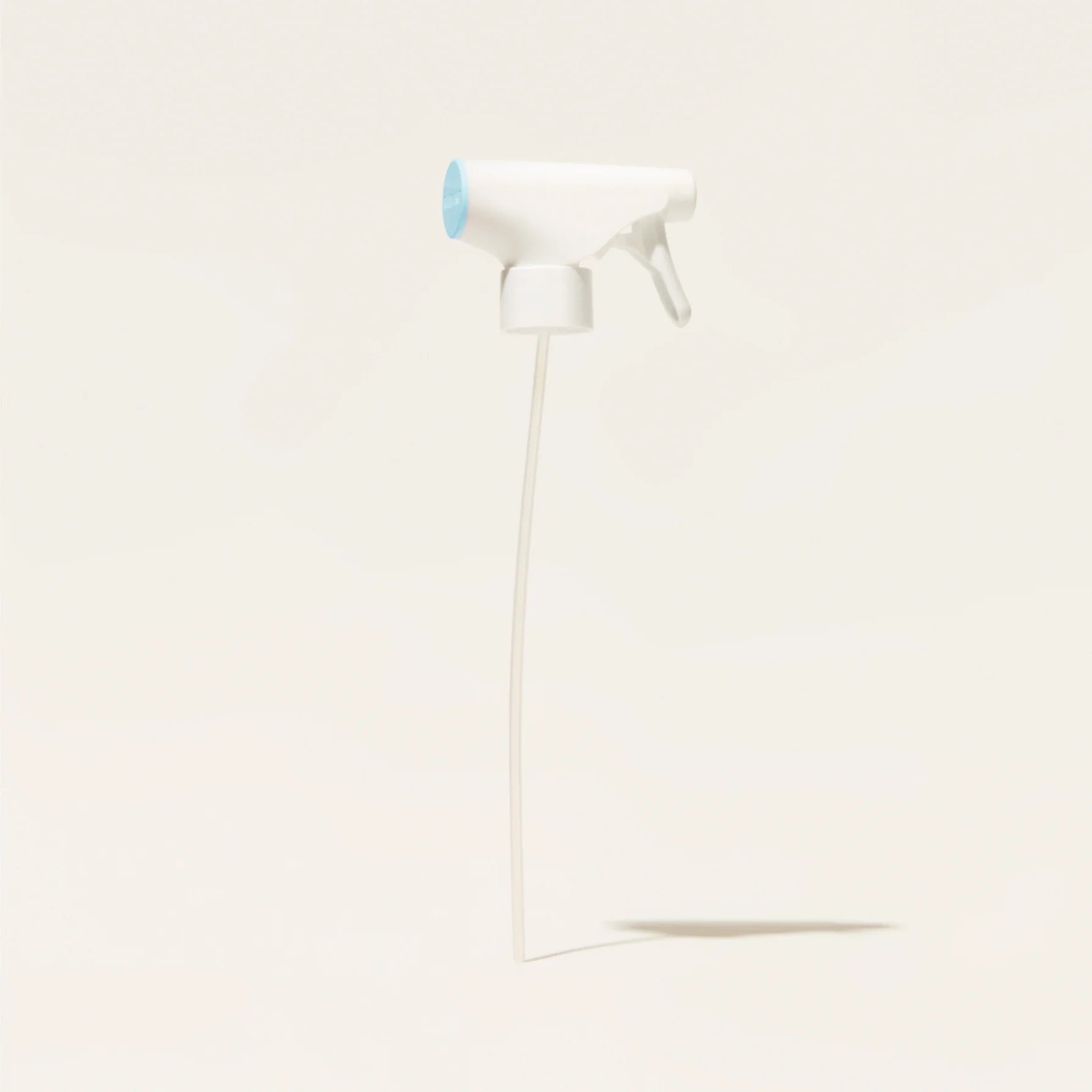
If you love the convenience of a spray but want to reduce waste, consider a reusable bottle system. For example, the Spray Cleaner Nozzle lets you turn any glass bottle into a cleaning dispenser, and you can pair it with concentrated refills or tablets.
Cleaning Tablets: The Eco-Friendly Innovation
Cleaning tablets are a newer format that addresses many of spray cleaner’s flaws. You drop a tablet into a reusable bottle filled with water, wait for it to dissolve, and then spray as usual. Tablets are ultra-compact, lightweight, and often packaged in compostable or recyclable materials. This dramatically reduces plastic and carbon footprint during shipping.
Pros of Cleaning Tablets
- Minimal packaging: Tablets come in small boxes or paper wraps, not heavy plastic bottles.
- Lower shipping emissions: Less weight and volume mean fewer trucks on the road.
- Customizable strength: Use one tablet for light cleaning, two for heavy grease.
Cons of Cleaning Tablets
- Requires a bottle: You need a reusable spray bottle to use them.
- Dissolving time: Takes a few minutes to fully dissolve.
- Limited availability: Not as widely sold as traditional sprays.
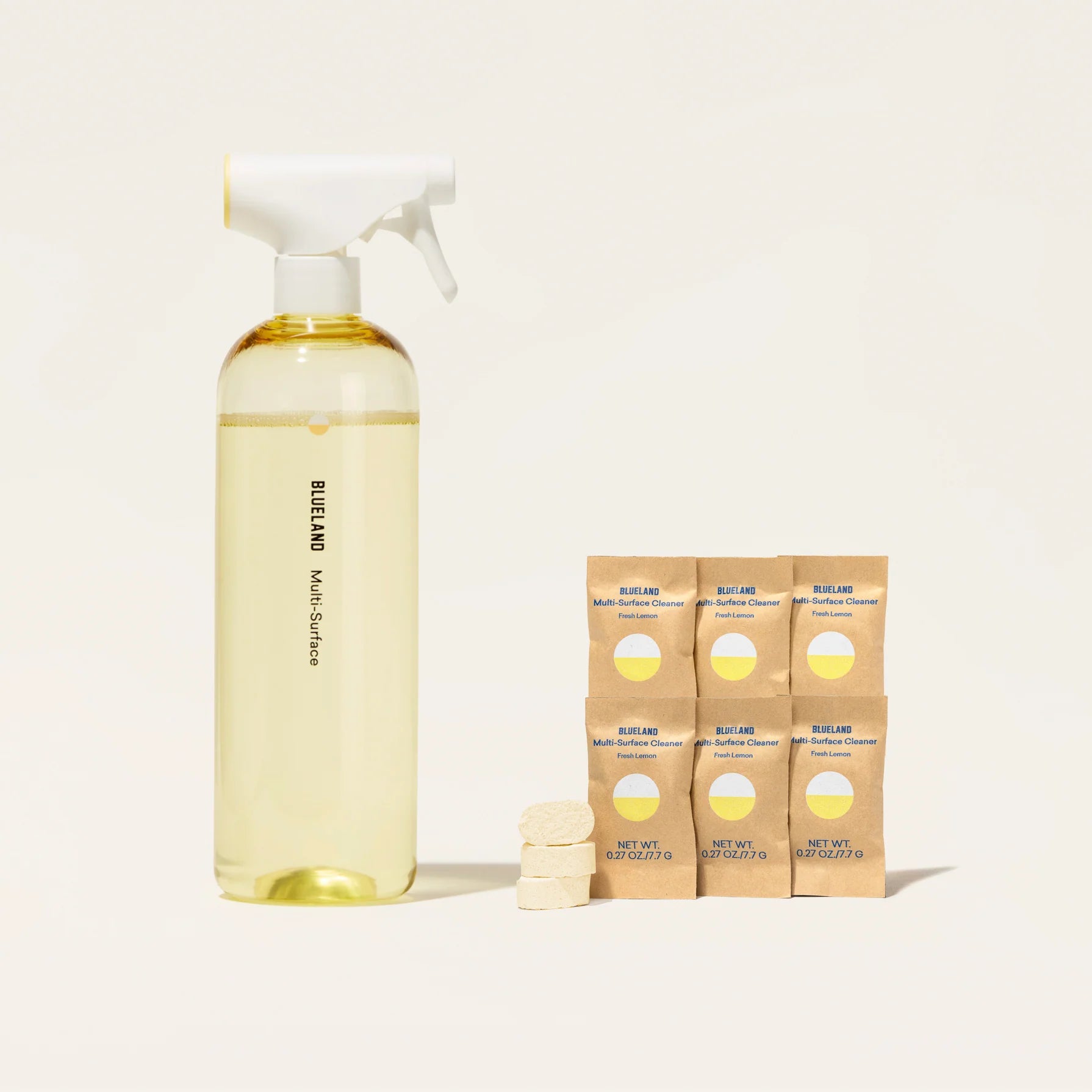
One standout option in the tablet category is the Multi-Surface Cleaner Starter Set. It includes a durable glass spray bottle and a pack of concentrated tablets. Simply add water, drop in a tablet, and you’re ready to clean. It works on granite, quartz, stainless steel, glass, and most sealed surfaces, making it a versatile choice for any home.
Concentrates: The Old-School Workhorse
Liquid concentrates have been around for decades—think of those giant jugs of all-purpose cleaner that you dilute in a bucket. They’re extremely cost-effective but less convenient for everyday spray cleaning. You typically measure a small amount into a spray bottle and add water. Concentrates can be tricky to mix correctly, and if you use too much, you may leave residue.
Pros of Concentrates
- Very low cost per use: A single bottle can make gallons of cleaner.
- Long shelf life: Concentrates don’t spoil or separate easily.
- Versatile: Often can be used for mopping, scrubbing, and spraying.
Cons of Concentrates
- Measuring required: Mistakes lead to too-strong or too-weak solutions.
- Bulky packaging: The concentrate bottle itself may be plastic.
- Messy: Pouring liquid can lead to drips and spills.
While concentrates are efficient for large homes or commercial use, they’re less ideal for quick counter wipes. Many families prefer the simplicity of tablets for everyday messes and reserve concentrates for deep cleaning.
Head-to-Head Comparison Table
| Feature | Spray Cleaner | Cleaning Tablets | Concentrates |
|---|---|---|---|
| Ease of use | Excellent (ready-made) | Good (needs dissolving) | Moderate (needs measuring) |
| Eco-friendliness | Poor (single-use plastic) | Excellent (minimal waste) | Good (dilute at home) |
| Cost per ounce | High | Low | Very low |
| Storage space | Large bottles | Compact boxes | Medium bottles |
| Customizable strength | No | Yes (tablet count) | Yes (dilution ratio) |
Which Multi-Surface Cleaner Should You Choose?
The answer depends on your priorities. If you value instant convenience and don’t mind plastic waste, a traditional spray cleaner may be fine—but you’re missing out on cost and environmental savings. If you want the greenest option with the least packaging, cleaning tablets are the clear winner. They’re compact, effective, and easy to use once you have a reusable bottle. If you’re on a tight budget and clean large areas often, concentrates will save you the most money per gallon.
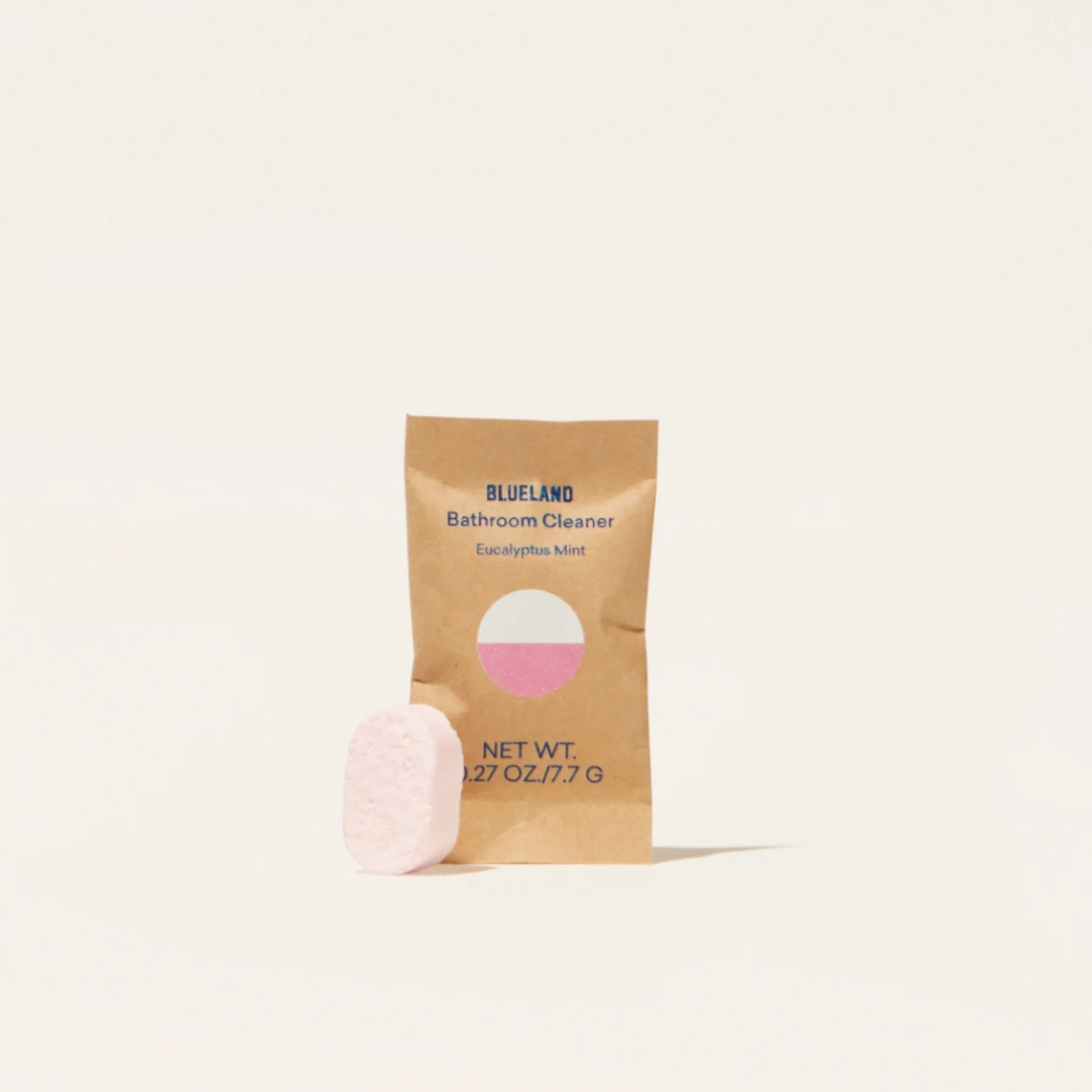
We recommend starting with tablets for everyday multi-surface cleaning. They strike the best balance between convenience, cost, and eco-friendliness. Plus, you can pair them with a high-quality reusable bottle like the one in the Multi-Surface Cleaner Starter Set. For tough bathroom stains or toilet cleaning, you might also explore Bathroom Cleaner Tablet Refills, which are specially formulated for soap scum and hard water.
How to Make the Switch to Tablets or Concentrates
Transitioning from spray cleaners to tablets or concentrates is simple. First, gather reusable spray bottles—old glass or high-quality plastic bottles work well. If you need a new nozzle, the Spray Cleaner Nozzle is designed to fit standard bottles and provides a fine mist for even coverage. Next, order your preferred tablet or concentrate refills. For most homes, a starter set with multiple tablets will last months. Finally, label your bottles clearly so everyone in the household knows what’s inside.
Final Verdict: Tablets Lead the Pack
In this multi-surface cleaner comparison, cleaning tablets emerge as the most well-rounded choice for modern homes. They deliver powerful cleaning without the plastic waste or cost of traditional sprays. Concentrates are still excellent for mopping and heavy-duty jobs, but for everyday wipe-downs, tablets win on convenience and sustainability. Sprays remain the simplest option, but their environmental cost is hard to ignore.
Ready to upgrade your cleaning routine? Explore the Multi-Surface Cleaner Starter Set today and experience the difference of a truly eco-friendly cleaner. Your home—and the planet—will thank you.