Laundry Detergent Tablets vs. Powder: Environmental Impact Comparison for 2025
By Bluelandoutlet | Published: 2026-06-05
Category: Product Reviews
Compare the environmental impact of laundry detergent tablets vs. powder. Learn about packaging waste, carbon footprint, water usage, and which option is more eco-friendly for sustainable laundry routines.
When it comes to doing laundry, the choice between detergent tablets and powder has long been a point of debate among eco-conscious consumers. Both options promise clean clothes, but their environmental footprints differ significantly. In this comparative analysis, we dive deep into the environmental impact of laundry detergent tablets vs. powder, examining factors like packaging waste, manufacturing emissions, water usage, biodegradability, and overall sustainability. By the end, you'll have a clear understanding of which option aligns better with your green living goals.
Understanding Laundry Detergent Forms
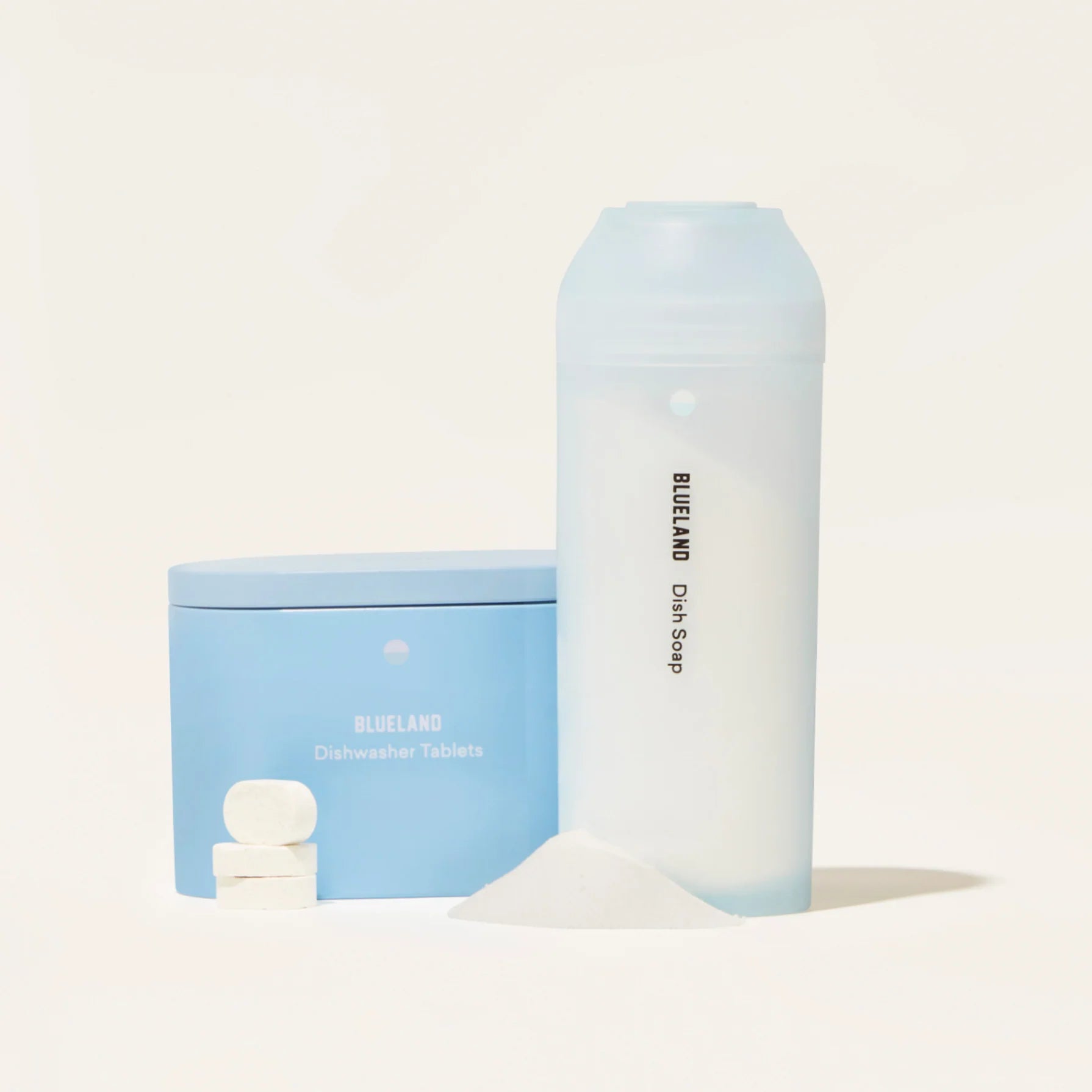
Before comparing environmental impacts, it's important to understand what each form entails. Laundry detergent powder is typically a dry, granular mixture of surfactants, builders, and enzymes. It has been around for decades and is often sold in cardboard boxes or plastic bags. Laundry detergent tablets, on the other hand, are pre-measured solid doses that dissolve in water. They are commonly sold in plastic tubs or recyclable cardboard containers. At Bluelandoutlet, we specialize in tablet refills that minimize waste, such as our Tablet Trio which includes laundry detergent tablets alongside dishwasher and multi-surface cleaner refills.
Packaging Waste: A Key Differentiator
One of the most visible environmental impacts of any laundry product is its packaging. Traditional laundry powder often comes in large cardboard boxes, which are recyclable in most curbside programs. However, many powders also include a plastic scoop or inner plastic bag, which adds to plastic waste. Liquid detergents, while not the focus here, are notorious for their plastic bottles. Powder's packaging can be relatively low-impact if the box is made from recycled cardboard and the inner liner is minimal.
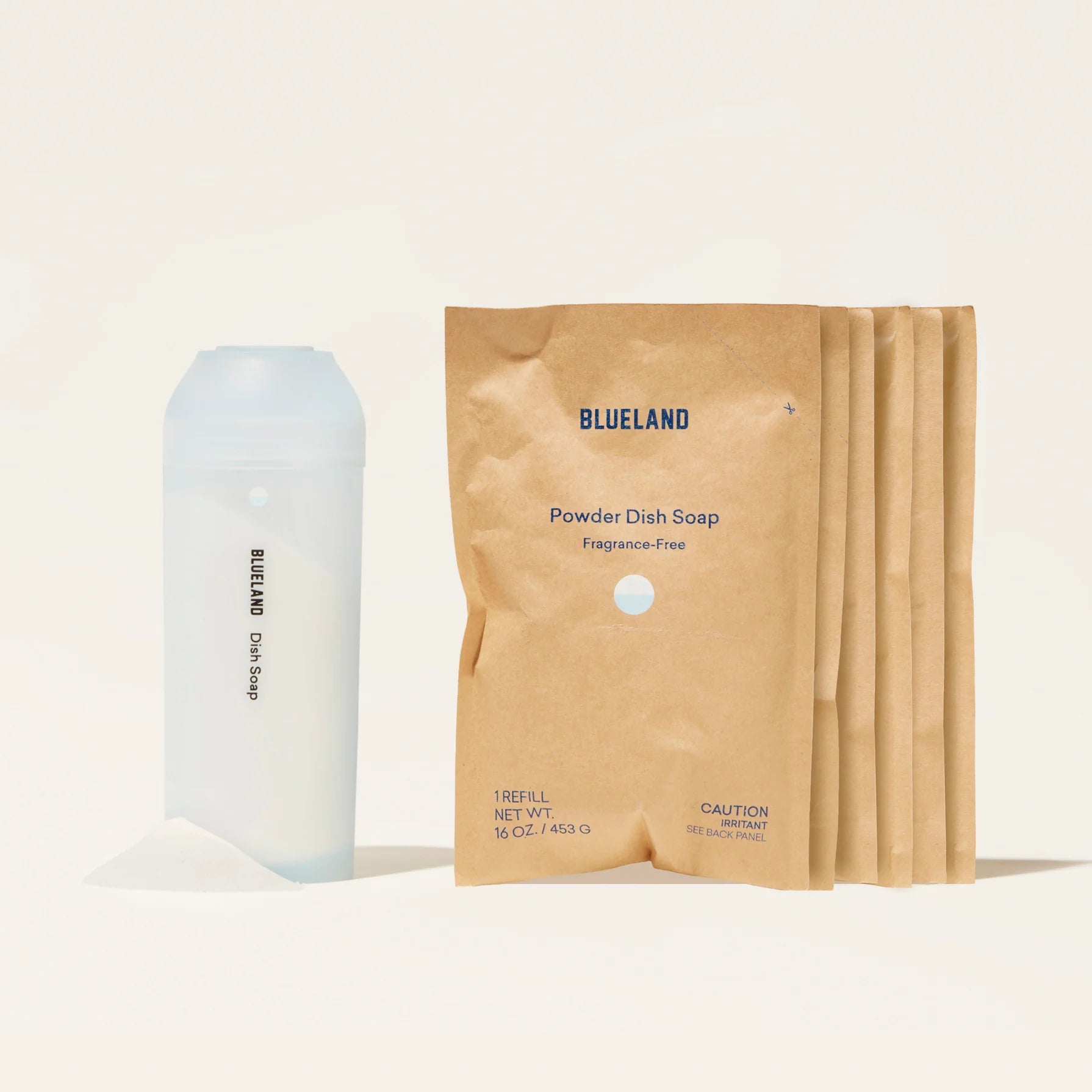
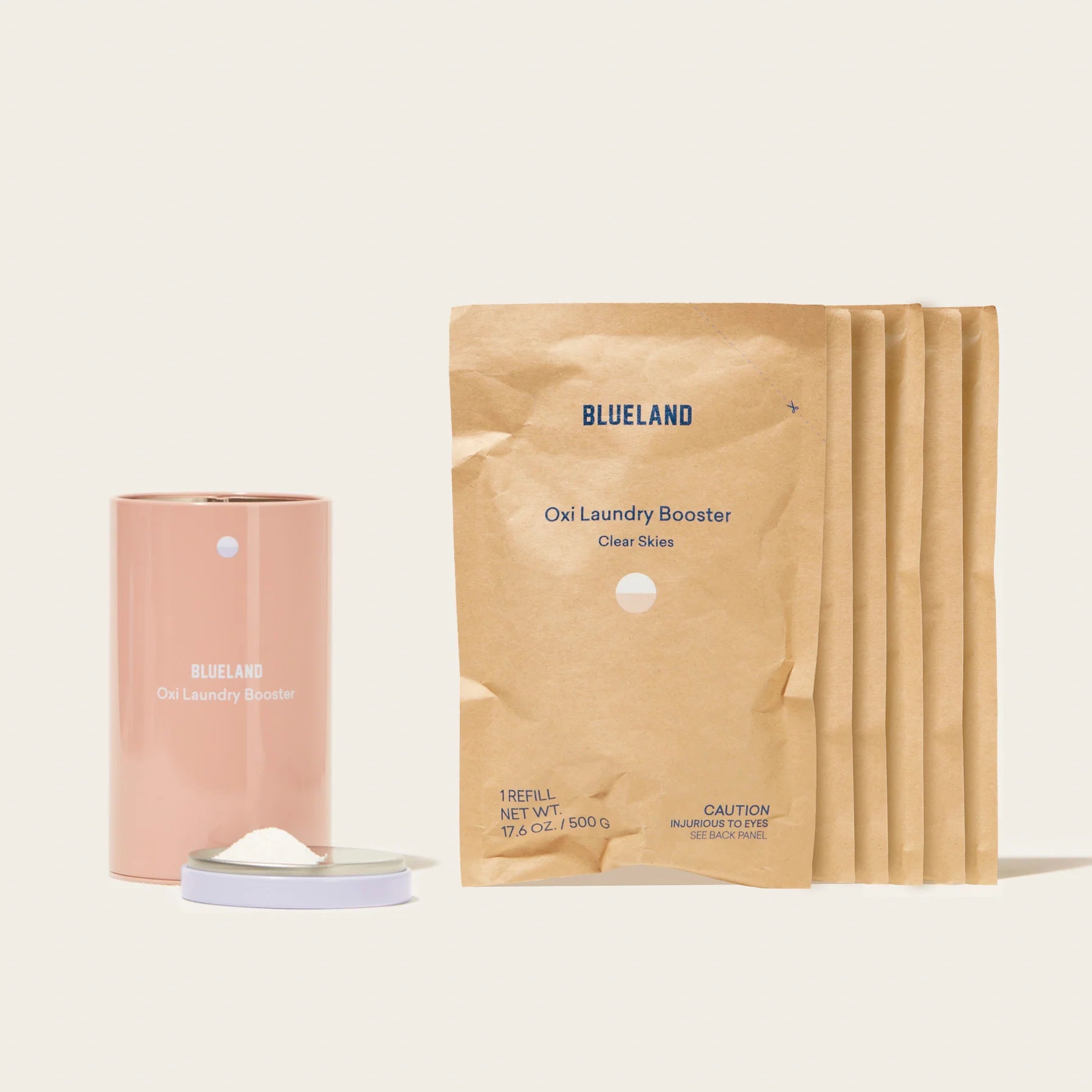
Laundry detergent tablets, especially those sold as refills, can significantly reduce packaging waste. For instance, many tablet brands now offer concentrated formulas that ship in lightweight packaging. At Bluelandoutlet, our tablet refills come in compostable or recyclable materials, and we encourage customers to reuse their existing containers. This approach cuts down on the plastic waste that often ends up in landfills or oceans. When comparing laundry detergent tablets vs powder, tablets have a clear advantage when they are part of a refillable system.
Carbon Footprint of Manufacturing
The production of laundry detergent involves energy-intensive processes. Powder detergents require spray drying or agglomeration, both of which consume significant amounts of energy and water. This contributes to a higher carbon footprint per load compared to some tablet formulations. Tablets, on the other hand, are often made using dry compaction methods that require less energy and water. However, the exact carbon footprint depends on the specific ingredients and manufacturing processes used by each brand.
It's also worth considering the transportation emissions. Powder detergents are lightweight and compact, which means they can be shipped efficiently. Tablets, being denser, can also be transported efficiently, especially when sold as refills that take up less space than liquid alternatives. Overall, the eco-friendly detergent comparison often favors tablets due to lower manufacturing energy and reduced water usage during production.
Water Usage and Aquatic Toxicity
Water is a precious resource, and the amount used during the laundry process itself is largely determined by your washing machine. However, the detergent's formulation affects how much water is needed for rinsing and whether the chemicals released into wastewater are harmful to aquatic life. Powder detergents often contain phosphates and other builders that can contribute to eutrophication in lakes and rivers, leading to algae blooms and fish kills. While many countries have banned phosphates, some powders still contain them or use alternatives with similar effects.
Laundry detergent tablets, particularly those that are concentrated and plant-based, tend to have lower aquatic toxicity. They dissolve quickly and require less rinsing, which can save water in some washing machines. Additionally, many tablet formulations are free from phosphates, chlorine bleach, and optical brighteners, making them safer for marine ecosystems. When conducting a sustainable laundry assessment, tablets often score higher in this category.
Biodegradability of Ingredients
Biodegradability is a critical factor in determining a detergent's environmental impact. Surfactants and enzymes in both powders and tablets can be designed to break down naturally after use. However, some powder detergents contain non-biodegradable additives like synthetic fragrances and stabilizers that persist in the environment. Tablets, especially those from eco-friendly brands, are more likely to use biodegradable ingredients.
Bluelandoutlet's laundry tablets, for example, are formulated with plant-based surfactants that biodegrade quickly and safely. If you're looking to reduce your chemical footprint, switching to a refillable tablet system can make a meaningful difference. Consider pairing your laundry tablets with Dryer Balls to eliminate the need for dryer sheets and fabric softeners, further reducing waste.
Convenience vs. Environmental Trade-Offs
Convenience often drives consumer choices, but it can come at an environmental cost. Pre-measured tablets eliminate the guesswork and potential for overuse, which can lead to fewer washes with excessive detergent. Overusing powder detergent not only wastes product but also requires more water for rinsing and can leave residue on clothes. Tablets ensure you use the correct dose every time, reducing overall detergent consumption.
However, some argue that the individual wrapping of certain tablet brands creates unnecessary waste. The key is to choose tablet refills vs powder from companies that prioritize minimal packaging. At Bluelandoutlet, our tablets are sold in refill packs without individual wrappers, so you get the convenience of a pre-dosed tablet without the extra plastic.
Cost-Effectiveness Over Time
While environmental impact is our primary focus, cost also plays a role in adoption. Powder detergents are often cheaper per load than tablets, especially when bought in bulk. However, tablets can be more cost-effective when you factor in the savings from reduced waste and longer-lasting clothes (due to gentler cleaning). Our Tablet Trio offers a bundled solution that saves money while reducing your ecological footprint. When you switch to a refillable system, you also eliminate the need to buy new bottles, which adds up over time.
Comparative Table: Laundry Detergent Tablets vs. Powder
| Environmental Factor | Powder Detergent | Tablet Detergent (Refillable) |
|---|---|---|
| Packaging waste per load | Moderate (cardboard + plastic liner) | Low (compostable or recyclable refill) |
| Manufacturing energy | High (spray drying) | Low (dry compaction) |
| Water usage in production | High | Low |
| Aquatic toxicity | Moderate (phosphates possible) | Low (phosphate-free options) |
| Biodegradability | Variable (some additives persistent) | High (plant-based formulas) |
| Transport efficiency | High (lightweight) | High (dense refills) |
| Overuse risk | High (scoop measurement) | Low (pre-dosed) |
As the table shows, tablets come out ahead in most environmental categories, especially when used in a refillable system. However, it's important to choose brands that are transparent about their ingredients and supply chain.
Real-World Impact: Making the Switch
Transitioning from powder to laundry detergent tablets can feel like a small change, but its cumulative effect is significant. If every household in the United States switched to a refillable tablet system, we could save millions of tons of plastic waste each year. Additionally, the reduced energy and water usage in manufacturing would lower greenhouse gas emissions equivalent to taking thousands of cars off the road.
For those concerned about performance, modern tablets are just as effective as powders at removing stains and odors. They work well in both high-efficiency and standard washing machines, and they dissolve completely in cold water, saving energy on heating. This makes them an excellent choice for anyone looking to reduce their environmental impact laundry routines.
Practical Tips for Eco-Friendly Laundry
Here are some actionable steps to make your laundry routine more sustainable:
- Switch to laundry detergent tablets from a refillable brand like Bluelandoutlet.
- Use Dryer Balls instead of disposable dryer sheets or liquid fabric softeners.
- Wash clothes in cold water whenever possible to save energy.
- Only run full loads to maximize water and detergent efficiency.
- Air-dry your clothes or use a lower heat setting on your dryer.
By combining these practices, you can significantly reduce your laundry's environmental footprint without sacrificing cleanliness.
Conclusion: Which Is Better for the Planet?
After a thorough comparative analysis, it's clear that laundry detergent tablets, especially those offered in refillable systems, have a lower environmental impact than traditional powder detergents. They produce less packaging waste, require less energy to manufacture, use fewer resources during production, and are often formulated with biodegradable ingredients. While powder detergents can be cheaper and are widely available, the long-term ecological benefits of tablets make them the superior choice for eco-conscious consumers.
At Bluelandoutlet, we believe that sustainable living should be accessible and convenient. Our tablet refills are designed to minimize your environmental footprint without compromising on cleaning power. If you're ready to make the switch, we invite you to explore our Tablet Trio—a complete starter set that includes everything you need for a greener laundry routine. Together, we can wash away waste and protect our planet for generations to come.