How to Use Dish Soap Tablets for Hand Washing Dishes: A Step-by-Step Guide to Eco-Friendly Cleaning
By Bluelandoutlet | Published: 2026-06-11
Category: How-to Guides
Learn how to use dish soap tablets for hand washing dishes with this complete step-by-step guide. Discover tips for dissolving, lathering, and storing tablet refills for an eco-friendly kitchen.
Hand washing dishes is a daily ritual for millions of households, but the traditional liquid dish soap often comes in bulky plastic bottles that contribute to environmental waste. Enter dish soap tablets—a concentrated, plastic-free alternative that is changing the way we clean our cookware. In this comprehensive guide, you'll learn exactly how to use dish tablets for hand washing dishes, from dissolving them properly to maximizing suds and storage. Whether you're new to tablet refills or looking to refine your routine, this step-by-step tutorial will help you transition to an eco-friendly dish soap solution without compromising on performance.
Why Switch to Dish Soap Tablets for Hand Washing?
Traditional liquid dish soaps are mostly water—up to 80%—which means you're paying for shipping and storing water. Dish soap tablets, on the other hand, are compact, concentrated, and often come in compostable packaging. They reduce plastic waste, lower your carbon footprint, and are easy to store. According to a 2024 report by the Environmental Working Group, switching to tablet-based cleaning products can cut household plastic waste by up to 70% annually. Plus, many tablet refills are formulated with plant-based ingredients, making them safer for your skin and the environment.
What You'll Need to Get Started
Before you begin, gather the following items:
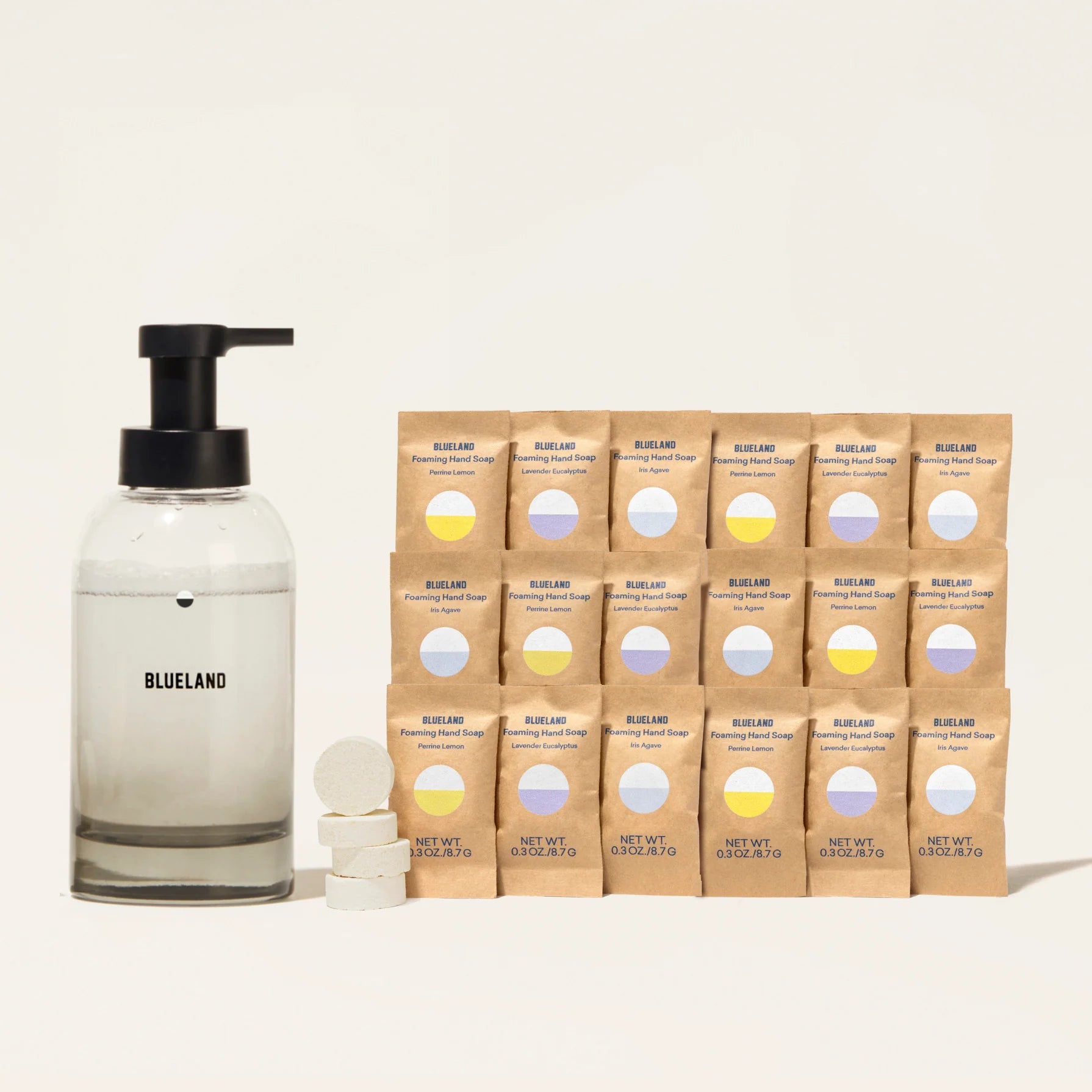
- Dish soap tablets (choose from our Hand Soap Starter Set or dedicated dish tablets if available)
- A reusable dish soap bottle or a small bowl for dissolving
- Warm water (not boiling, which can degrade the tablet)
- A sponge or dish brush
- Your dirty dishes
If you're using a reusable bottle, make sure it's clean and dry before adding the tablet. Many users find it convenient to reuse an old glass or stainless steel bottle, which aligns perfectly with the zero-waste ethos.
Step-by-Step Guide: How to Use Dish Soap Tablets for Hand Washing Dishes
Step 1: Choose the Right Tablet
Not all dish soap tablets are created equal. Look for tablets specifically designed for hand washing—some are formulated for dishwashers only. Our Hand Soap Starter Set includes a reusable bottle and tablets that work beautifully for hand washing dishes, offering a gentle but effective clean. Check the label to ensure the tablet is suitable for manual dishwashing.
Step 2: Fill Your Bottle or Bowl with Warm Water
Fill your reusable dish soap bottle with warm water, leaving about an inch of headspace. If you're using a bowl, pour about 500ml (2 cups) of warm water. The temperature should be warm to the touch but not hot—excess heat can cause the tablet to dissolve too quickly and reduce its effectiveness.
Step 3: Add the Tablet and Wait
Drop one dish soap tablet into the water. Do not stir immediately; let it sink and dissolve naturally. This usually takes 1–3 minutes, depending on the water temperature. You'll see bubbles forming as the tablet breaks down. For a stronger concentration, you can use half a tablet—just snap it along the scored line if provided.
Step 4: Shake or Stir to Activate
Once the tablet has fully dissolved, screw on the pump or cap and shake gently for 10–15 seconds. If using a bowl, stir with a spoon. The liquid should become slightly viscous and produce a light foam. This activates the surfactants and creates the suds needed for effective cleaning.
Step 5: Lather and Wash
Apply a small amount of the dissolved liquid to your sponge or directly onto the dish. Work up a lather by scrubbing. The concentrated solution is powerful enough to cut through grease and food residue, even with cold water. For tough baked-on stains, let the dish soak in the solution for a few minutes before scrubbing.
Step 6: Rinse Thoroughly
Rinse each dish under running water until all soap residue is gone. The plant-based formula in many dish soap tablets rinses clean without leaving streaks or films, which is especially important for glassware and baby bottles.
Step 7: Store Leftover Solution Properly
If you made more solution than you need, store it in a cool, dark place. Because the solution doesn't contain preservatives, it's best used within 2–3 weeks. For longer-term storage, keep the tablets dry in their original packaging until ready to use. Our Pop-Up Sponge pairs perfectly with this routine—it's reusable, compostable, and designed to work with tablet-based soaps.
Tips for Best Results with Dish Soap Tablets
- Use soft water if possible: Hard water can reduce lather. If you have hard water, consider using a water softener or adding a pinch of baking soda to the solution.
- Don't overdo it: One tablet per 500ml of water is usually sufficient. Using more won't make dishes cleaner and can leave residue.
- Test on delicate items: Some antique or hand-painted dishes may be sensitive to concentrated cleaners. Test a small area first.
- Combine with reusable tools: Pair your dish soap tablets with sustainable sponges, brushes, or cloths to maximize your eco-friendly impact.
Common Mistakes to Avoid
| Mistake | Why It's a Problem | Solution |
|---|---|---|
| Using boiling water | Destroys active ingredients | Use warm water (40–50°C) |
| Adding tablet directly to sponge | Incomplete dissolution; may scratch dishes | Dissolve in water first |
| Storing liquid solution too long | Bacteria growth; loss of efficacy | Use within 2–3 weeks |
| Using too much product | Waste; residue on dishes | Stick to recommended ratio |
Comparing Dish Soap Tablets to Liquid Soap
Still unsure if tablets are right for you? Here's a quick comparison:
- Environmental impact: Tablets reduce plastic packaging by up to 90% compared to liquid soaps in single-use bottles.
- Cost per use: On average, dish soap tablets cost $0.10–$0.15 per wash, while liquid soaps average $0.20–$0.30 per wash.
- Convenience: Tablets are lightweight and easy to store—perfect for small kitchens or travel.
- Performance: Many users report that tablet-based soaps cut grease just as well as traditional liquids, with a faster rinse.
Frequently Asked Questions
Can I use dish soap tablets in a dishwasher?
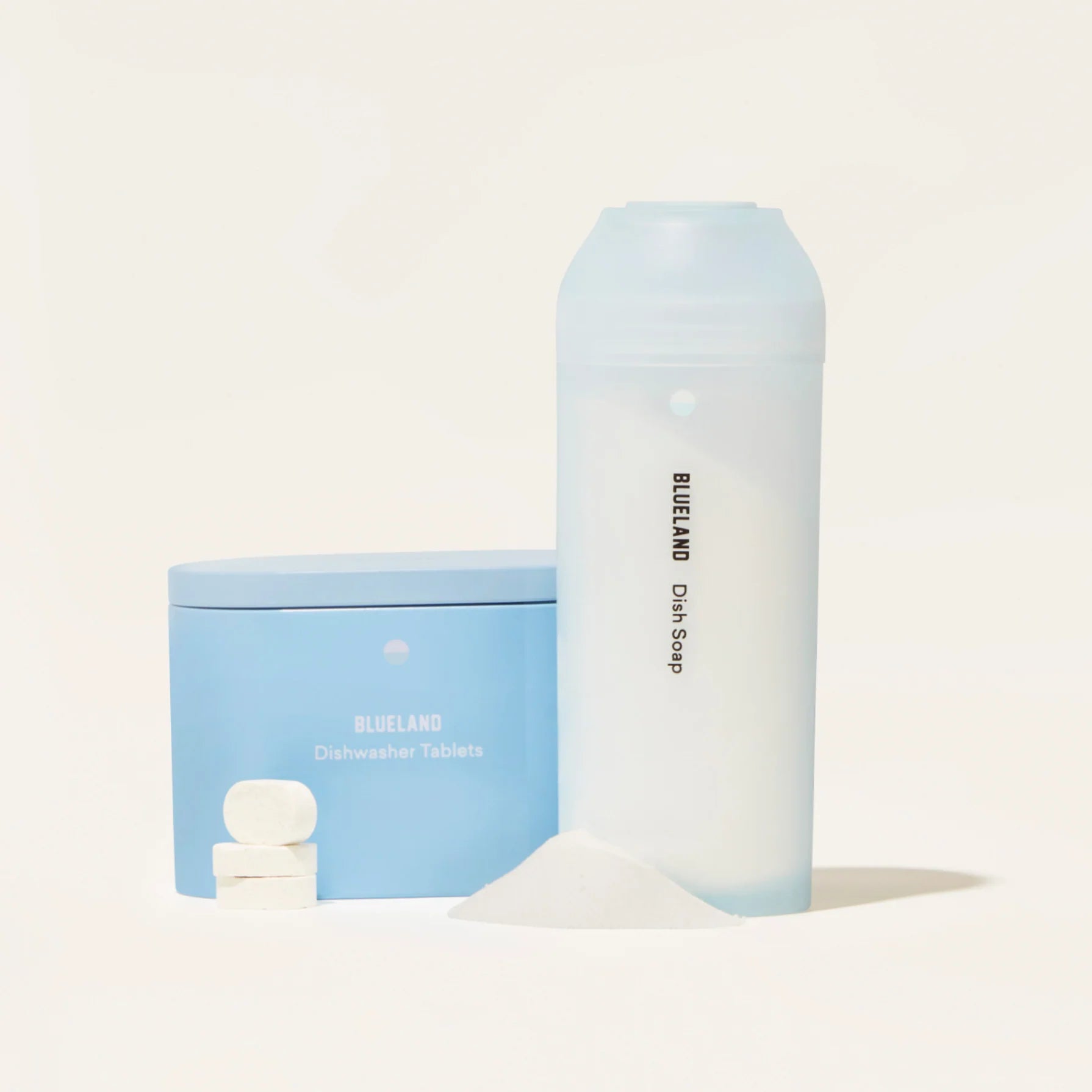
No, unless specifically labeled. Dish soap tablets for hand washing produce too many suds for a dishwasher, which can cause leaks and poor cleaning. Always check the packaging.
How many dishes can one tablet clean?
Depending on the brand, one tablet dissolved in 500ml of water can clean approximately 20–30 standard plates or the equivalent load of pots, pans, and utensils.
Are dish soap tablets safe for septic systems?
Most plant-based dish soap tablets are septic-safe. Look for labels that indicate biodegradability and low environmental toxicity.
Can I add essential oils to the solution?
Yes! A few drops of lemon, lavender, or tea tree oil can add natural fragrance and antibacterial properties. Stir well after adding.
Conclusion: Make the Switch Today
Switching to dish soap tablets for hand washing dishes is a simple, effective way to reduce plastic waste and simplify your cleaning routine. With just a few steps—dissolve, shake, and wash—you can enjoy sparkling clean dishes without the guilt of single-use plastics. Whether you're a seasoned eco-conscious cleaner or a beginner exploring eco-friendly dish soap, this method is a game-changer for any kitchen.
Ready to get started? Explore our Hand Soap Starter Set for a complete, reusable solution that works perfectly for hand washing dishes. Pair it with our Pop-Up Sponge for a zero-waste dishwashing experience. Transform your kitchen cleaning routine today—your planet and your dishes will thank you.