How to Switch to Plastic-Free Dishwashing: A Step-by-Step Guide
By Bluelandoutlet | Published: 2026-05-23
Category: How-to Guides
Learn how to ditch plastic dish soap bottles and toxic pods with our step-by-step guide. Discover eco-friendly dishwashing tips, refillable systems, and zero-waste essentials for a sustainable kitchen.
Are you tired of plastic bottles piling up under your sink? Dishwashing is one of the biggest sources of single-use plastic waste in the average home. Every year, millions of plastic detergent bottles end up in landfills or the ocean. But switching to plastic-free dishwashing doesn't have to be complicated or expensive. In this step-by-step guide, you'll learn exactly how to transition to a zero-waste dish routine, save money, and reduce your environmental footprint—without sacrificing clean dishes.
Why Go Plastic-Free for Dishwashing?
Plastic waste is choking our planet. The average plastic bottle takes 450 years to decompose, and many dish soap containers aren't recyclable due to mixed materials. By choosing plastic free dishwashing, you:
- Reduce your household waste by up to 30% in the kitchen.
- Avoid harsh chemicals and microplastics that contaminate waterways.
- Support sustainable brands that use compostable packaging.
- Save money in the long run with concentrated, refillable products.
Plus, many eco-friendly alternatives work just as well (if not better) than traditional detergents. Let's dive into the switch.
Step 1: Audit Your Current Dishwashing Products
Before you change anything, look under your sink. What plastic items do you use regularly? Common culprits include:
- Liquid dish soap in plastic bottles
- Dishwasher detergent pods in plastic wrappers
- Plastic scrub brushes and sponges
- Rinse aid and other specialty bottles
Make a list of what you'll replace. Don't toss half-full bottles—use them up first, then switch. For your hand-washing liquid, consider a zero waste dishwashing alternative like a refillable system. For the dishwasher, look for dishwasher detergent tablets in plastic-free packaging.
Step 2: Choose Refillable, Plastic-Free Dish Soap
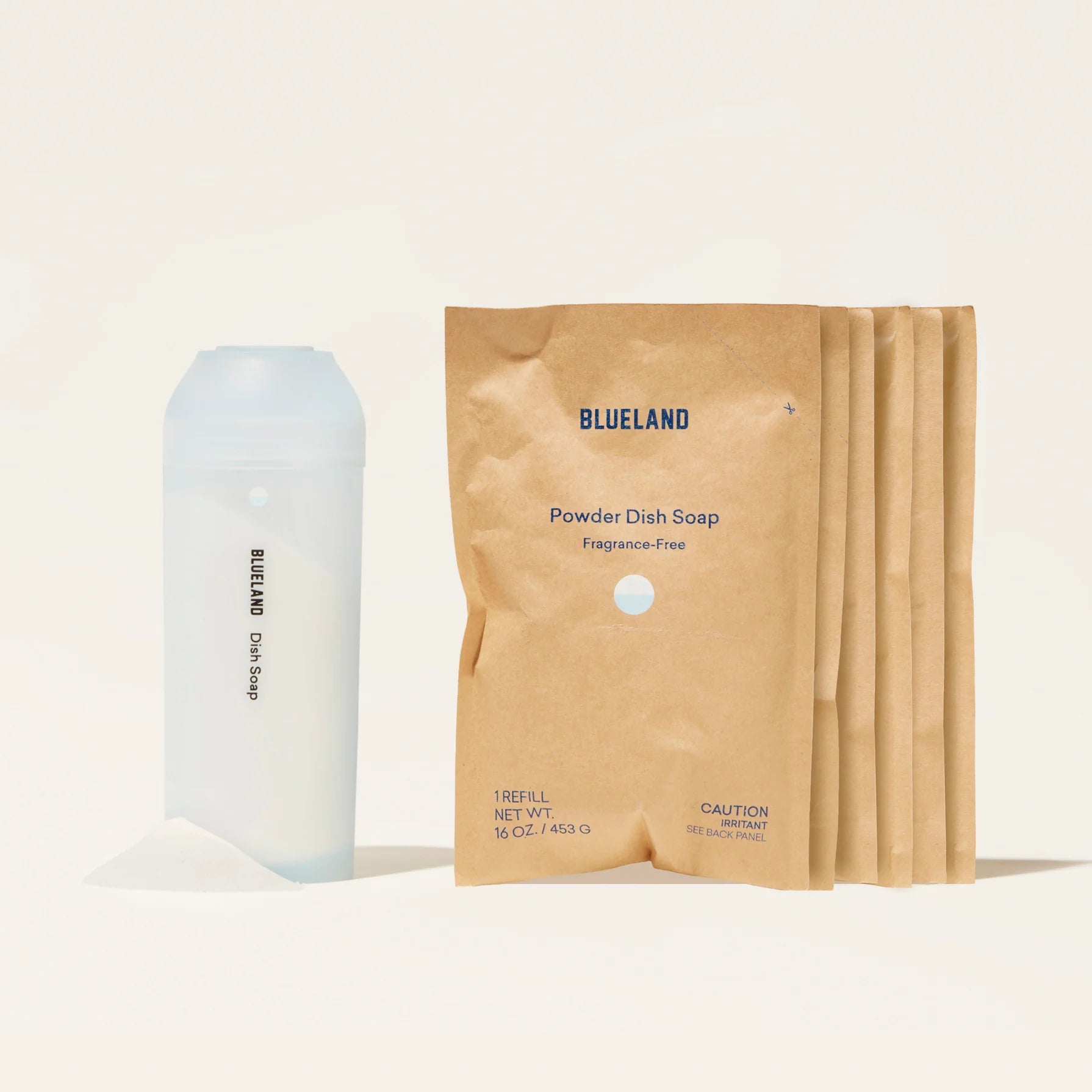
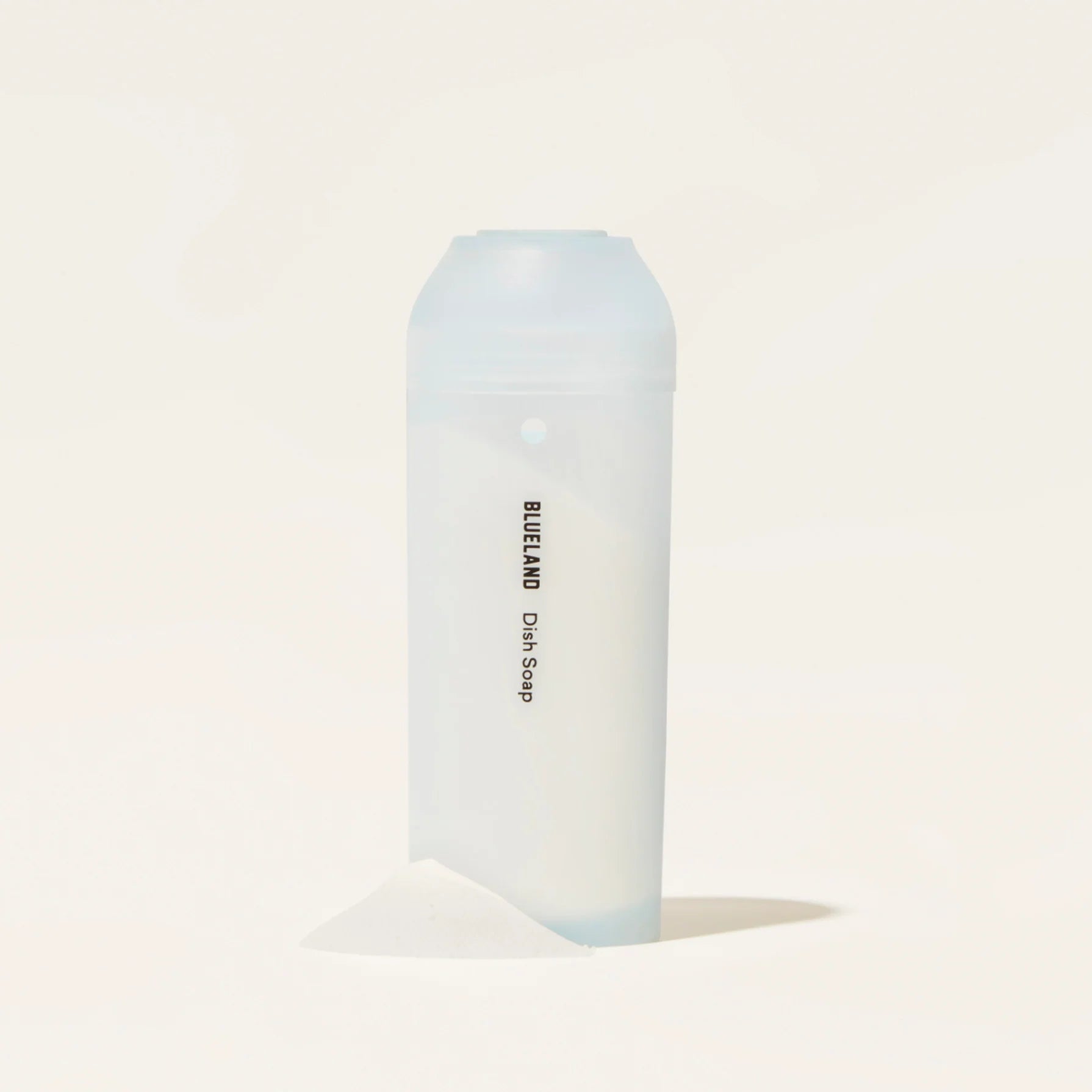
The easiest swap is switching from liquid dish soap in a plastic bottle to a tablet-based refill system. Bluelandoutlet offers Clean Suite Kit that includes a glass bottle and a jar of concentrated tablets. You just add water to the bottle, drop in a tablet, and you have fresh dish soap in seconds. The tablets come in compostable wrappers, and the glass bottle lasts for years.
For hand-washing, another great option is the Clean Essentials Kit, which includes a dish soap starter set plus other all-purpose cleaners. This kit replaces multiple plastic bottles at once. The tablets are fragrance-free and plant-based, making them safe for your family and the planet.
Step 3: Upgrade Your Dishwasher Routine
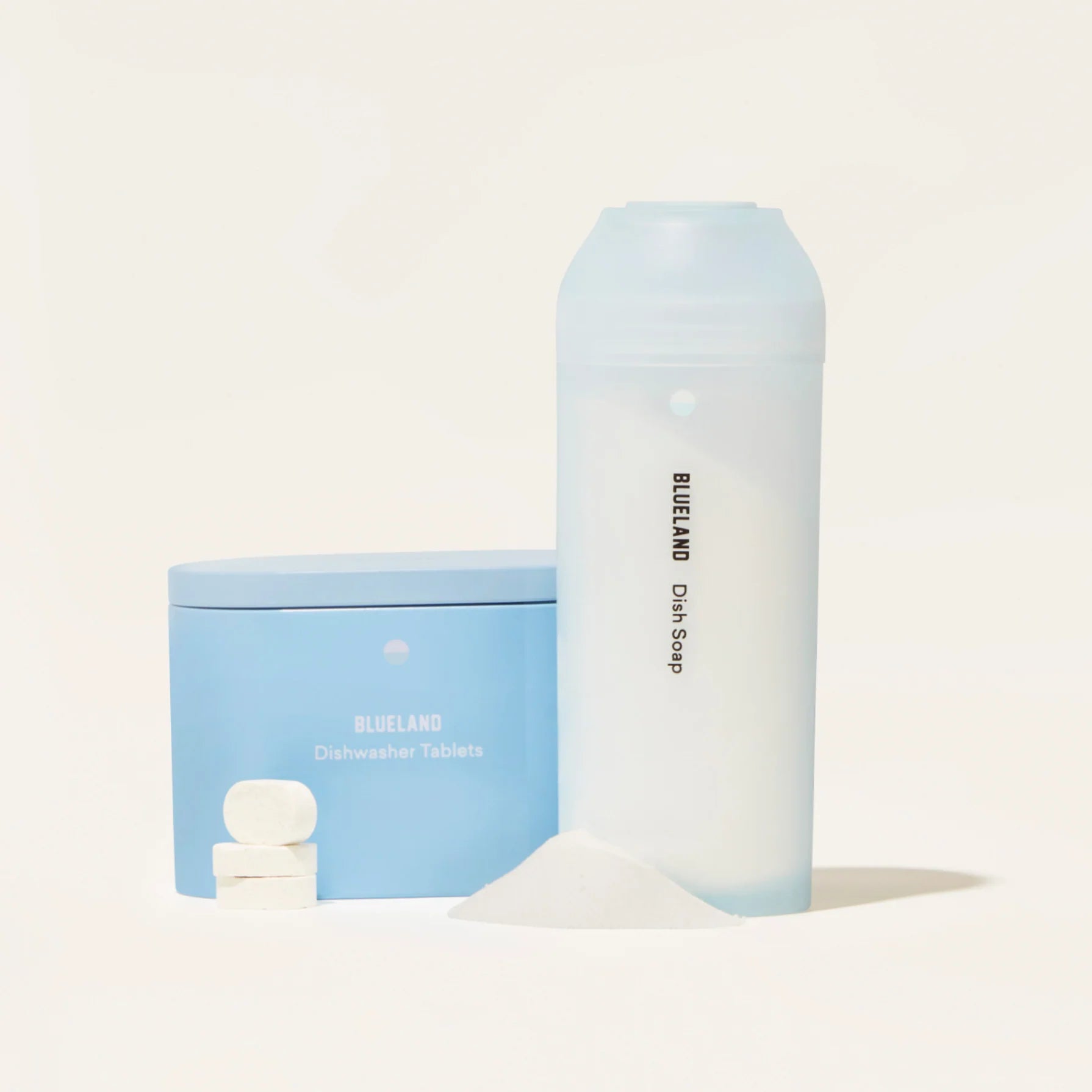
If you use a dishwasher, you probably buy detergent pods that come in plastic bags or boxes. Swap those for dishwasher detergent tablets in cardboard packaging. Bluelandoutlet's dishwasher tablets are plastic-free, phosphate-free, and come in a compostable pouch. Just place one tablet in the dispenser and run your cycle as usual.
You can also use the same multi-surface tablets for a quick pre-rinse. The Multi-Surface Cleaner Starter Set works on countertops and stovetops, so you can clean your kitchen entirely without plastic. For tough grease, a bamboo scrub brush or stainless steel sponge pairs perfectly with these cleaners.
Step 4: Replace Sponges and Brushes
Standard kitchen sponges are made of plastic and often contain antimicrobial chemicals. They shed microplastics every time you use them. Switch to:
- Natural loofah sponges (compostable)
- Bamboo dish brushes with replaceable heads
- Unsponges made from cellulose and cotton
- Copper or stainless steel scrubbers (long-lasting)
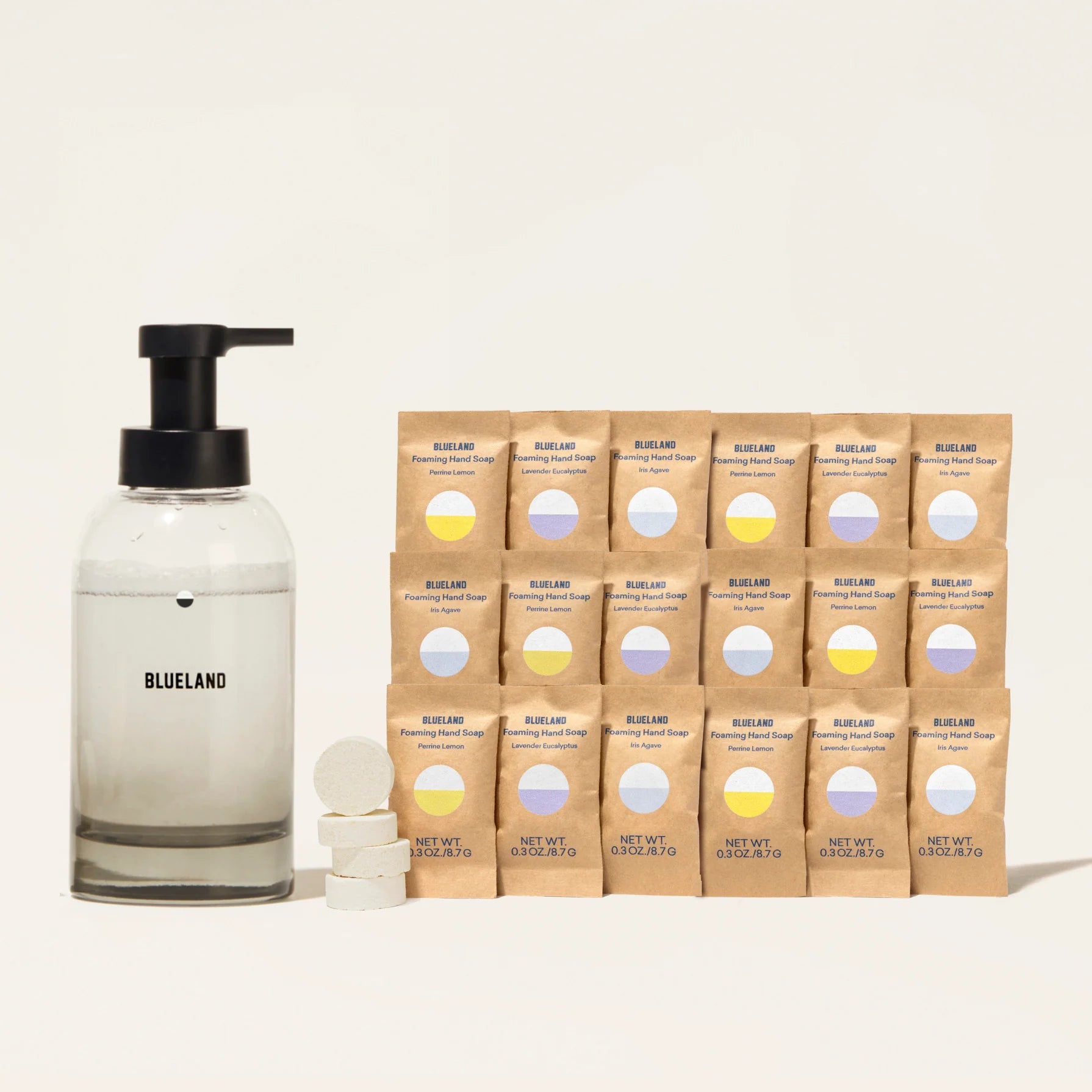
Pair your new scrubber with the Hand Soap Duo for a complete plastic-free handwashing and dishwashing station. The duo includes two glass bottles with foaming hand soap tablets that work beautifully for hand-washing dishes too.
Step 5: Master the Zero-Waste Dishwashing Routine
Once you've gathered your tools, follow this daily routine:
- Scrape food scraps into compost or garbage (not down the sink).
- Soak dishes briefly if needed—use a basin to save water.
- Wash with your refillable dish soap and bamboo brush.
- Rinse and dry with a cotton cloth or air-dry rack.
- Recycle empty tablet pouches through a mail-back program or local drop-off.
For dishwasher users, simply place a tablet in the dispenser, run the cycle, and reuse the same powder box or pouch for storage. No plastic waste.
Step 6: Bulk Up with Refills
Once you have your glass bottles and starter sets, buy refill tablets in bulk to save money and reduce packaging. Bluelandoutlet offers a 1 Year of Glass + Mirror Cleaner package that delivers refills every few months. While this is for glass cleaner, the same concept applies to dish soap and dishwasher tablets. Look for bulk refill options under the "Refills" category on the site.
You can also subscribe and save on regular deliveries, so you never run out of tablets. This is the ultimate convenience for a sustainable kitchen.
Step 7: Troubleshoot Common Issues
Some people worry that plastic-free dishwashing won't get dishes clean. Here's the truth:
- Tablet-based soaps are highly concentrated and often clean better than watery liquid soaps.
- If you have hard water, add a splash of white vinegar to the rinse cycle—it's a natural rinse aid.
- For baked-on grease, let dishes soak in hot water with half a tablet.
- Always follow the instructions on the tablet package for best results.
And if you miss the fragrance of traditional dish soap, try adding a few drops of essential oil to your refill bottle. Lemon or lavender work wonders.
Step 8: Involve Your Household
Switching to plastic-free dishwashing works best when everyone is on board. Explain why you're making the change—less plastic, fewer chemicals, lower cost. Show them how to use the refill system (drop in a tablet, add water, shake). Kids love the "magic" of watching a tablet dissolve into suds. Make it a family project.
Final Tips for Long-Term Success
- Keep a glass jar of dishwasher tablets near the machine for easy access.
- Store dish soap bottles away from direct sunlight to maintain potency.
- Compost used paper packaging if it's certified compostable.
- Track your waste reduction—you'll be amazed at how many plastic bottles you avoid.
Your Plastic-Free Dishwashing Checklist
| Product to Replace | Plastic-Free Alternative | Approximate Cost Savings per Year |
|---|---|---|
| Liquid dish soap (plastic bottle) | Refillable glass bottle + tablets | $15–$25 |
| Dishwasher pods (plastic wrapper) | Tablets in compostable pouch | $10–$20 |
| Plastic sponge | Bamboo brush or loofah | $5–$10 |
| Plastic rinse aid bottle | White vinegar in glass jar | $10–$15 |
With this checklist, you'll have a completely plastic-free dishwashing station in under a month. Plus, you'll be contributing to a cleaner planet.
Ready to Make the Switch?
Start your plastic-free journey today. The Clean Suite Kit is the perfect all-in-one starter bundle for your kitchen. It includes the glass dish soap bottle, a jar of tablets, and other essential cleaners—all in sustainable packaging. Explore it now and take the first step toward a zero-waste kitchen.