The Hidden Chemicals in Conventional Hand Soap and What to Use Instead
By Bluelandoutlet | Published: 2026-05-23
Category: Industry News
Discover the toxic ingredients lurking in your hand soap, from triclosan to sulfates, and learn why switching to natural, eco-friendly alternatives like Bluelandoutlet's Hand Soap Duo protects your health and the planet.
Every day, millions of people lather up with conventional hand soap without a second thought. We assume that if a product is sold on store shelves, it must be safe. But the reality is far less reassuring. Many mass-market hand soaps contain a cocktail of synthetic chemicals linked to hormone disruption, skin irritation, and environmental harm. This article exposes the hidden chemicals in conventional hand soap, explains their risks, and offers a safer, more sustainable alternative — including products like the Hand Soap Duo from Bluelandoutlet.
The Dirty Dozen: Common Chemicals in Hand Soap
To make an informed choice, you need to know what's inside your hand soap. Here are the most concerning ingredients found in many conventional products:
Triclosan and Triclocarban
These antibacterial agents were once ubiquitous in liquid and bar soaps. The U.S. FDA banned triclosan from over-the-counter consumer hand soaps in 2016 due to insufficient evidence that it out-performs plain soap and water — and because of concerns about bacterial resistance and endocrine disruption. Yet some specialty products and imported soaps still contain them. Studies show triclosan can interfere with thyroid hormones and contribute to antibiotic resistance.
Sodium Lauryl Sulfate (SLS) and Sodium Laureth Sulfate (SLES)
These surfactants create the rich lather we associate with cleanliness. However, SLS can strip the skin's natural oils, causing dryness, irritation, and even contact dermatitis. SLES is often contaminated with 1,4-dioxane, a probable human carcinogen (by the EPA) that forms during the manufacturing process. Neither ingredient is biodegradable in the conventional sense, and they can be toxic to aquatic life.
Parabens (Methylparaben, Propylparaben, Butylparaben)
Parabens are preservatives that prevent bacterial growth. They are known endocrine disruptors, mimicking estrogen in the body and potentially raising the risk of breast cancer and reproductive issues. While some studies are contested, the European Union has restricted several parabens in cosmetics. Look for labels that say "paraben-free" to avoid these.
Phthalates
Often hidden under the vague term "fragrance," phthalates help scents last longer. They are linked to reduced sperm quality, developmental disorders, and asthma. The FDA does not require phthalates to be listed individually — if you see "fragrance" on a label, phthalates may be present.
Formaldehyde-Releasing Preservatives
Ingredients like DMDM hydantoin, quaternium-15, and imidazolidinyl urea slowly release formaldehyde, a known human carcinogen. Even at low levels, these can trigger allergic reactions and respiratory issues, especially in sensitive individuals.
Artificial Fragrances and Dyes
Synthetic fragrances are complex mixtures of dozens or even hundreds of undisclosed chemicals. Many are skin sensitizers and can cause headaches or nausea. Dyes like FD&C Red 40 or Yellow 5 have no functional purpose other than aesthetics; some are derived from coal tar and have been linked to behavioral issues in children.
Why Conventional Hand Soap Is a Problem for Your Skin
Your skin is your body's largest organ. Harsh chemicals like SLS and high pH levels in conventional soaps disrupt your skin's microbiome and acid mantle — the thin protective barrier that keeps moisture in and pathogens out. This leads to:
- Chronic dryness and flaking, especially in winter or with frequent hand washing.
- Increased trans-epidermal water loss (TEWL), making skin more vulnerable to irritants.
- Eczema flare-ups for those prone to the condition.
- Accelerated aging, as free radicals from chemical irritants break down collagen.
Switching to a clean, natural hand soap can restore your skin's balance. Products like the Hand Soap Duo use plant-based ingredients that are gentle yet effective.
Environmental Impact: From Your Sink to the Ocean
Everything you wash down the drain eventually reaches waterways. Conventional hand soap chemicals can wreak havoc on aquatic ecosystems:
- Triclosan accumulates in sediment and has been detected in fish and algae. It disrupts photosynthesis in aquatic plants.
- SLS/SLES are not readily biodegradable and can be toxic to fish and invertebrates at high concentrations.
- Phthalates are persistent organic pollutants that bioaccumulate in food chains.
In contrast, eco-friendly hand soaps use biodegradable ingredients that break down quickly without harming wildlife. Bluelandoutlet's refillable systems dramatically reduce plastic waste and chemical runoff.
What to Look for in a Clean Hand Soap
When shopping for a healthy hand soap, check the label for these hallmarks of clean formulation:
| Ingredient to Seek | Why It's Better |
|---|---|
| Coconut oil-based cleansers (sodium coco-sulfate) | Gentle, biodegradable, and sustainable |
| Aloe vera or glycerin | Natural moisturizers that soothe skin |
| Essential oils (e.g., lavender, tea tree) | Natural fragrance without phthalates |
| Citric acid or potassium sorbate | Safe preservatives with low toxicity |
| Minimal ingredients list | Less chance of hidden irritants |
The Benefits of Switching to a Refillable System
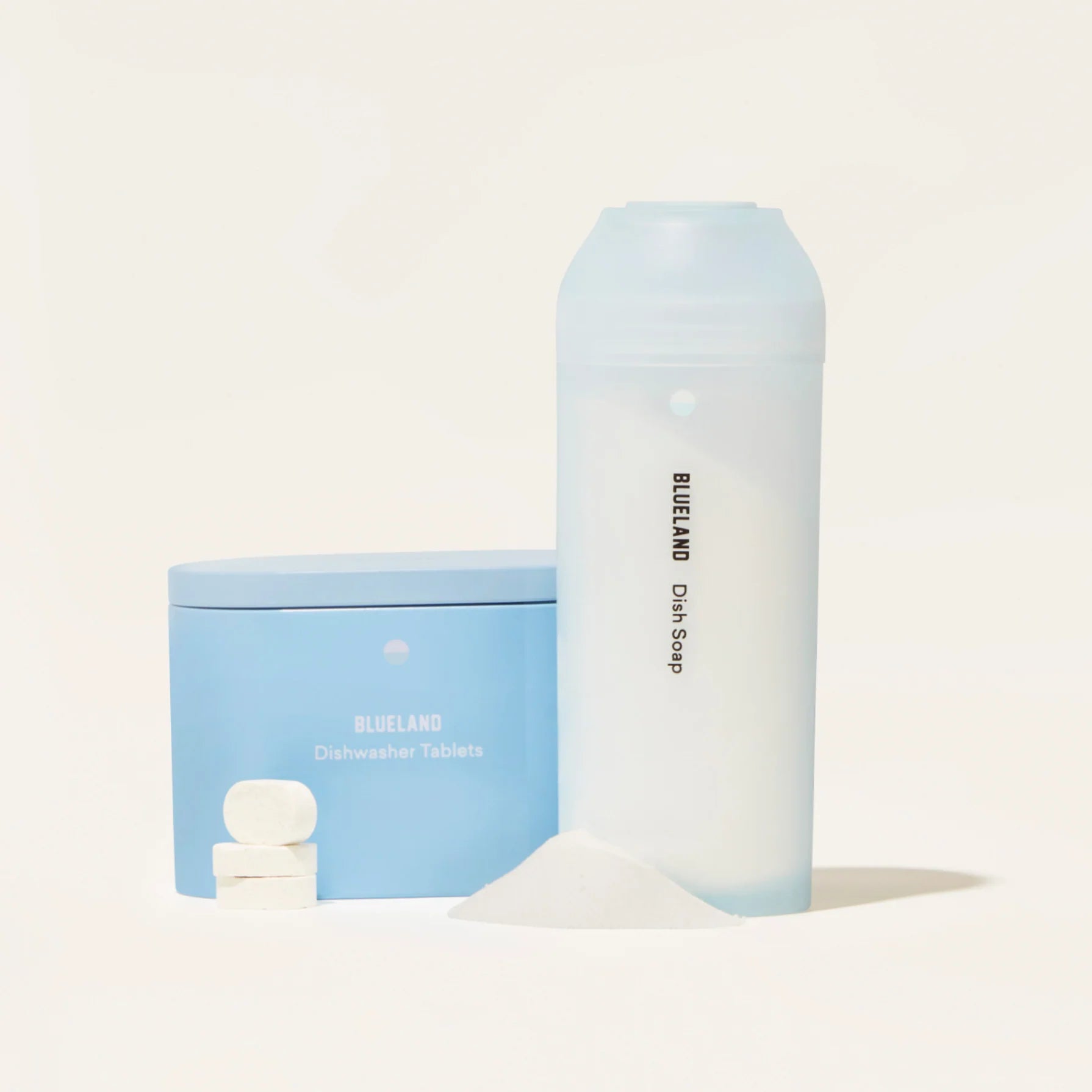
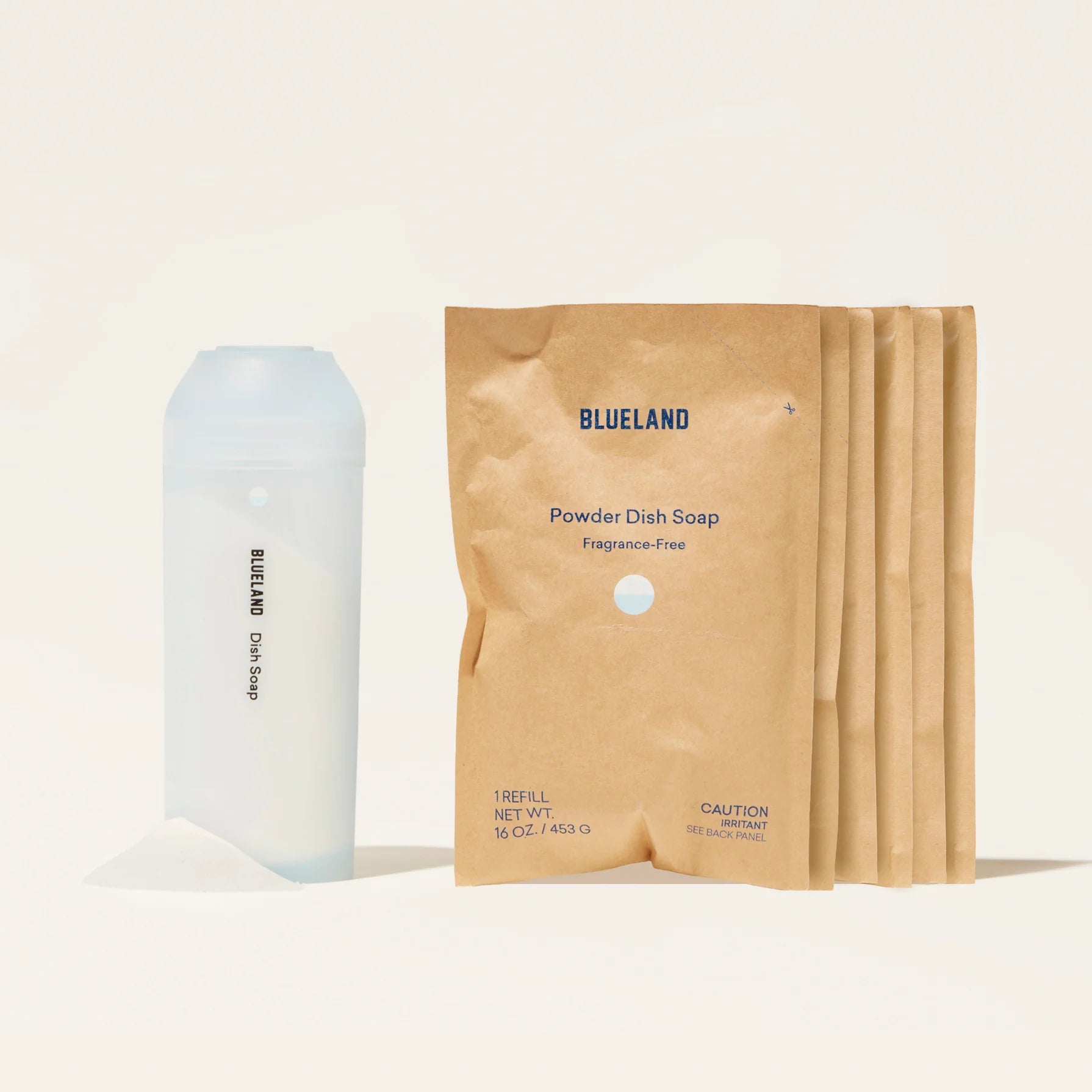
One smart approach is to use a refillable hand soap system. Bluelandoutlet offers a solution that eliminates single-use plastic bottles. Their Clean Essentials Kit includes a durable pump bottle and concentrated tablets — just add water. This reduces plastic waste by up to 90% compared to brand-name bottled soaps.
Refills are lightweight and compact, lowering shipping emissions. Plus, the formulas are free from parabens, phthalates, sulfates, and synthetic dyes. You get a genuinely clean hand soap that lathers beautifully without the guilt.
How to Transition Without Breaking the Bank
Making the switch to natural hand soap doesn't have to be expensive. Start by:
- Using up your current conventional soap (to avoid waste).
- Purchasing a starter kit like the Clean Essentials Kit to get the bottle and first tablets.
- Buying refill tablets in bulk to save money over time.
- Involving your family by explaining the health and environmental benefits.
For those who also want to tackle laundry, the Dishwasher & Laundry Detergent Duo is a great companion product that continues the zero-waste approach across your household.
Conclusion: Clean Hands, Clear Conscience
Conventional hand soap may be convenient, but its hidden chemical cocktail poses real risks to your health and the planet. By choosing products with transparent, plant-based ingredients — and refillable packaging — you can protect your family without sacrificing performance.
Ready to make the change? Explore the Hand Soap Duo at Bluelandoutlet today and experience the difference of clean, eco-friendly hand soap that's as good for you as it is for the Earth.