Blueland

Hand Soap Tablets vs. Bar Soap: Which Is More Hygienic and Eco-Friendly?

By Bluelandoutlet | Published: 2026-06-20

Category: Product Reviews

Compare hand soap tablets and bar soap on hygiene, environmental impact, and cost. Discover which zero-waste option is best for your home and planet.

When it comes to keeping your hands clean, the choice between hand soap tablets and traditional bar soap is more than a matter of preference—it's a decision that impacts your health, your wallet, and the environment. Both options offer a plastic-free alternative to liquid hand soap in single-use bottles, but they differ in key areas like hygiene, convenience, and sustainability. In this comprehensive comparison, we'll dive deep into the science of cleanliness, the lifecycle of each product, and what real-world users experience. By the end, you'll know exactly which hand-cleaning solution fits your lifestyle and values.

Understanding Hand Soap Tablets: What Are They?

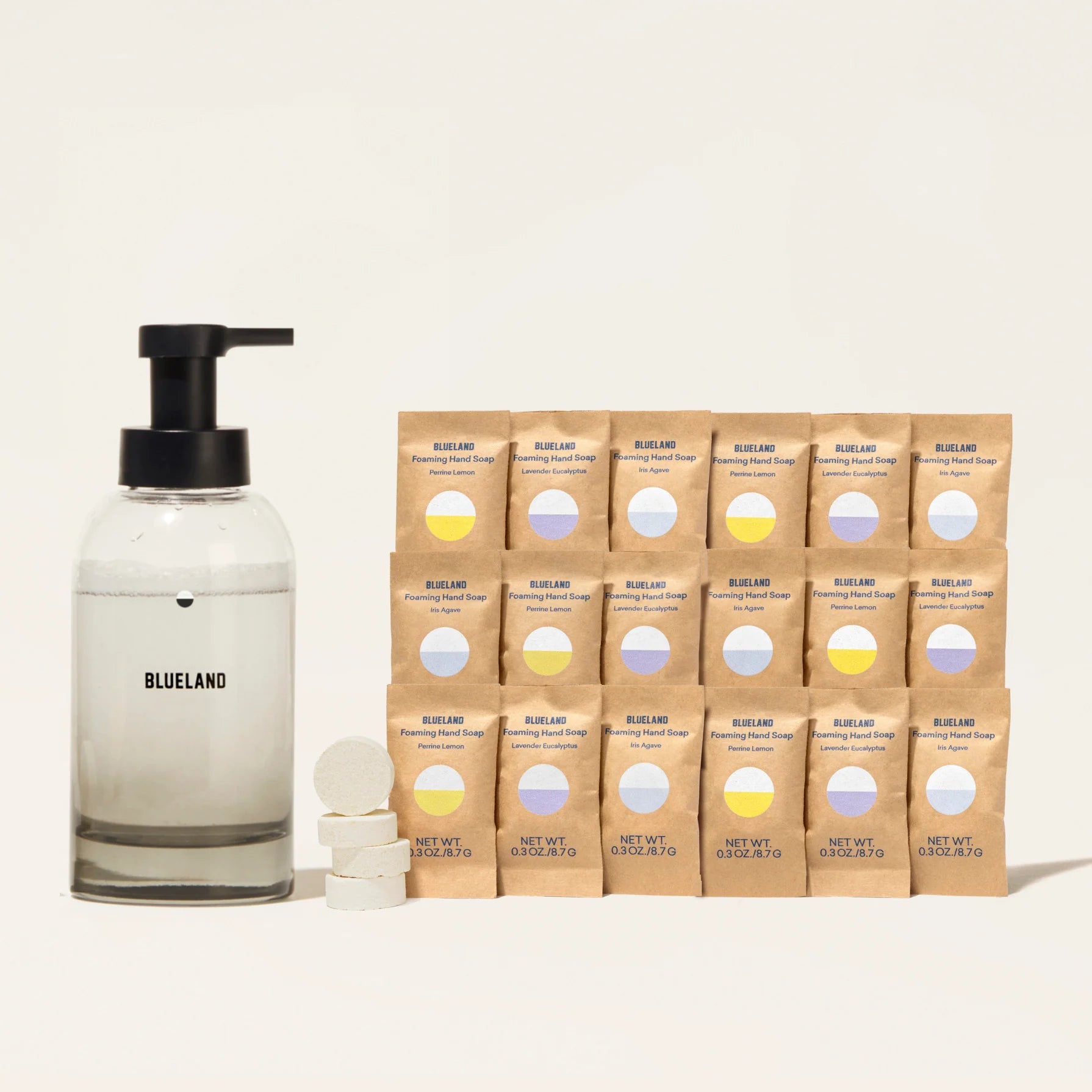
Hand soap tablets are concentrated, solid cleaning formulations that dissolve in water to create liquid hand soap. Typically packaged in compostable or recyclable materials, they represent a significant reduction in plastic waste compared to conventional liquid soaps. Brands like Clean Essentials Kit include a reusable dispenser along with a set of hand soap tablets, allowing you to refill indefinitely without buying new plastic bottles. The tablets are activated by adding water to the dispenser, resulting in a rich, foaming or liquid soap that works just as effectively as its bottled counterparts.

Bar Soap: The Classic Choice

Bar soap has been a staple of personal hygiene for centuries. Modern bar soaps are often wrapped in paper or cardboard, making them a low-waste option. They are widely available, affordable, and many artisanal varieties use natural ingredients. However, concerns about bar soap harboring bacteria from shared use have led some to question its hygiene, especially in households or public spaces. While scientific studies show that the risk is minimal—bacteria on bar soap surfaces are typically rinsed away and not transferred to the next user—the perception persists.

Hygiene Showdown: Which Keeps Your Hands Cleaner?

The Science of Soap Efficacy

Both hand soap tablets (once dissolved) and bar soap work by reducing surface tension and lifting dirt, oils, and microbes from the skin. The American Cleaning Institute confirms that any soap—whether solid, liquid, or tablet—is effective when used properly with water. The key factors are duration of washing (at least 20 seconds) and proper rinsing, not the form of the soap itself. Hand soap tablets produce a consistent liquid soap that is dispensed without direct contact, minimizing cross-contamination. Bar soap, on the other hand, requires direct contact, but studies published in the Journal of Food Protection found no evidence that bar soap transmits disease-causing bacteria.

Bacterial Growth Concerns

Bar soap can develop a thin layer of bacteria from standing water on the dish, but this is largely cosmetic and not a health risk. Hand soap tablets completely avoid this issue because the dry tablet is stored in a sealed container until use, and the liquid soap is dispensed through a pump. For households with immunocompromised individuals, the closed-system of tablet-based soap may offer extra peace of mind.

Eco-Friendly Comparison: Packaging and Carbon Footprint

The environmental impact of your hand-cleaning routine goes beyond the soap itself. Here's a breakdown of the key sustainability factors.

FactorHand Soap TabletsBar Soap
Packaging WasteMinimal—tablets often come in paper or compostable wrappers; dispenser is reusableLow—usually paper or cardboard wrap; no plastic if purchased unwrapped
Water ContentLow—tablets are concentrated; water added at homeLow—bar soaps contain minimal water
Shipping WeightVery light—reduces fuel consumption in transportLight—similar to tablets
Production EnergyModerate—requires manufacturing of tablets and dispenserLower—simple manufacturing process
End-of-LifeDispenser can be recycled or reused indefinitely; tablets are compostableSoap fully biodegrades; wrapper is recyclable

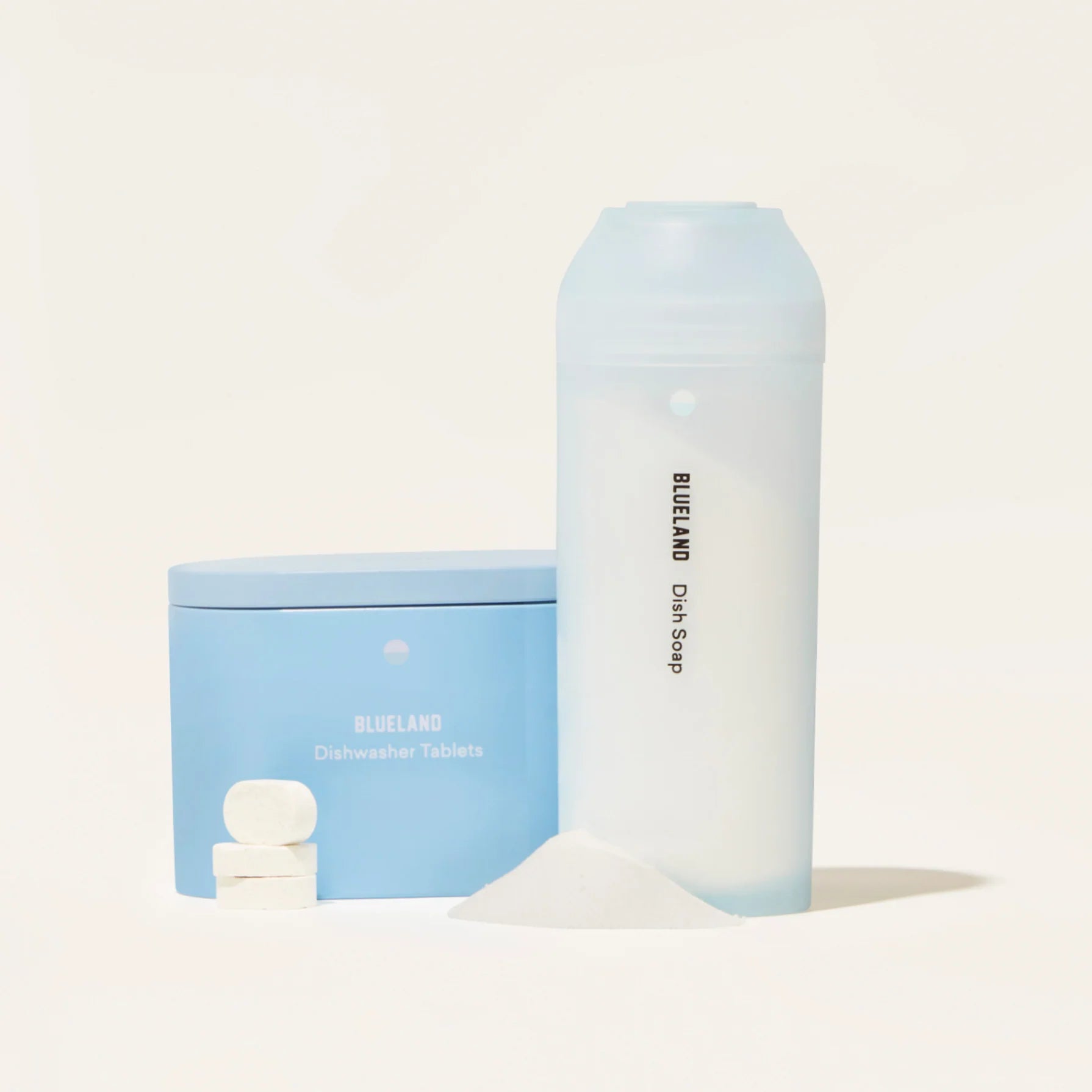
While bar soap has a slight edge in production simplicity, hand soap tablets win on shipping efficiency and zero-waste potential because the reusable dispenser eliminates the need for new containers. The Clean Suite Kit, for example, bundles multiple tablet varieties (including hand soap) with a single elegant dispenser, making it easy to maintain a plastic-free cleaning routine.

Cost Analysis Over Time

At first glance, bar soap often appears cheaper per bar. However, when you factor in longevity and the cost of the dispenser for tablets, the numbers tell a different story. A typical bar soap lasts about 2–3 weeks with daily hand washing. A set of hand soap tablets for a dispenser can last 1–2 months, depending on usage. Over a year, you might spend $20–$40 on bar soap versus $15–$30 on tablet refills (plus a one-time dispenser purchase of $10–$20). Tablets often come out ahead if you value convenience and consistent performance.

User Experience: Texture, Scent, and Lather

Bar soaps vary widely in texture—some are creamy, others drying—and can leave residue in soap dishes. Hand soap tablets dissolve into a smooth, consistent liquid that produces a rich lather. Many users prefer the feel of liquid soap, especially for frequent hand washing. Scent options for tablets are often curated by brands, offering sophisticated fragrances like lavender, eucalyptus, or unscented. Bar soaps offer endless artisanal options but can be hit-or-miss in consistency.

Zero-Waste Lifestyle: Which Fits Best?

For those committed to zero-waste living, both options are viable, but hand soap tablets offer a more streamlined system. You buy a durable dispenser once—like the reusable bottles included in the Clean Essentials Kit—and then only purchase lightweight tablet refills. Bar soap requires a soap dish (often plastic or ceramic) and may produce more packaging waste if not sourced carefully. Additionally, bar soap can become mushy or dissolve quickly if not stored properly, leading to waste.

FAQs About Hand Soap Tablets and Bar Soap

Are hand soap tablets as effective as liquid soap from a bottle?

Yes. Once dissolved, hand soap tablets produce the same cleaning agents as conventional liquid soap. The key is following the instructions to achieve the correct dilution.

Can bar soap harbor bacteria and spread germs?

Studies show that the risk is negligible. Bacteria on bar soap are washed away during rinsing and do not transfer to the next user in significant amounts. However, for shared bathrooms, a pump dispenser from tablets may feel more hygienic.

How do I store hand soap tablets?

Keep tablets in a cool, dry place away from moisture. Most packaging is resealable. Once in the dispenser, use within a few months for best results.

Which is better for sensitive skin?

Both can be gentle. Look for fragrance-free, dye-free options. Hand soap tablets often have simpler ingredient lists, making them a good choice for eczema-prone skin.

Environmental Impact: Beyond Packaging

The water saved by using concentrated tablets is significant. Liquid hand soap is about 80–90% water; shipping that water across the country burns fuel and adds to carbon emissions. Hand soap tablets eliminate this waste entirely. Bar soap also contains minimal water, but its manufacturing often requires more energy for saponification. Overall, the carbon footprint of hand soap tablets is lower when considering the full lifecycle from production to disposal.

Making the Switch: Tips for Transitioning

If you're used to bar soap, switching to hand soap tablets is simple:

  • Purchase a reusable dispenser—look for glass or high-quality plastic that will last.
  • Fill the dispenser with room-temperature water, then drop in the tablet.
  • Wait 10–15 minutes for the tablet to fully dissolve, then shake gently.
  • Use as you would any liquid hand soap.

For those who prefer bar soap but want to reduce waste, consider buying from local makers with minimal packaging or making your own.

Conclusion: The Verdict

Both hand soap tablets and bar soap are excellent eco-friendly choices compared to traditional bottled liquid soap. In terms of hygiene, hand soap tablets have a slight edge due to their closed dispensing system, which reduces any risk of cross-contamination. For environmental impact, both are low-waste, but tablets offer superior shipping efficiency and a truly refillable system that eliminates plastic entirely. Cost-wise, tablets can be more economical over time, especially with bulk refill packs. Ultimately, the best choice depends on your personal preferences: bar soap is simple and timeless, while hand soap tablets offer modern convenience and a guaranteed mess-free experience.

Ready to Go Zero-Waste? Start with the Clean Essentials Kit

If you're ready to make the switch to hand soap tablets, the Clean Essentials Kit is the perfect starter bundle. It includes a durable glass dispenser, a set of hand soap tablets in your choice of scent, and everything you need to eliminate plastic from your hand-washing routine. Join thousands of satisfied customers who have transformed their cleaning habits with this simple, effective system.

Shop Related Products

Dish Duo

Dish Duo

$12.90 $43.00

Shop Now