Hand Soap Refill Tablets vs. Liquid Hand Soap: Which Is More Hygienic? An In-Depth Comparison
By Bluelandoutlet | Published: 2026-05-28
Category: Product Reviews
Discover the hygiene differences between hand soap refill tablets and liquid hand soap. We compare bacteria risks, refill methods, and antibacterial options to help you choose the cleanest option for your home.
When it comes to hand hygiene, most of us reach for liquid soap without a second thought. But with the rise of refillable cleaning systems, hand soap tablets have become a popular alternative. The question many eco-conscious consumers are asking is: Are hand soap refill tablets as hygienic as traditional liquid hand soap? In this article, we’ll dive deep into the science of soap dispensing, bacteria growth, and refill hygiene to determine which option is truly cleaner for your hands and your home.
How Hand Soap Refill Tablets Work
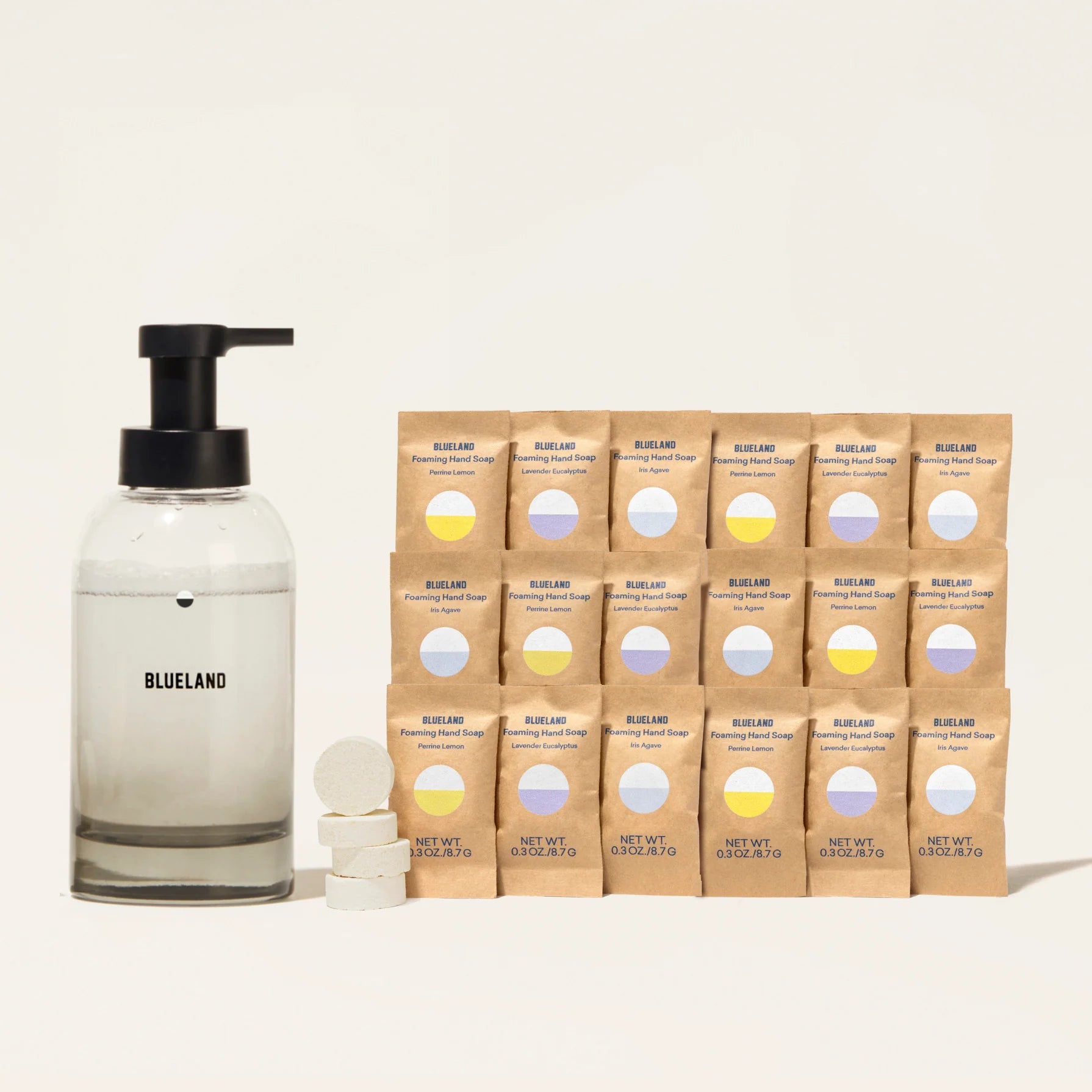
Hand soap refill tablets are small, concentrated tablets that dissolve in water inside a reusable bottle. Typically, you fill your bottle with warm water, drop in a tablet, wait a few minutes for it to dissolve, and then use it just like liquid soap. The active ingredients—usually surfactants and mild cleansers—are released as the tablet dissolves, creating a foaming or liquid soap.
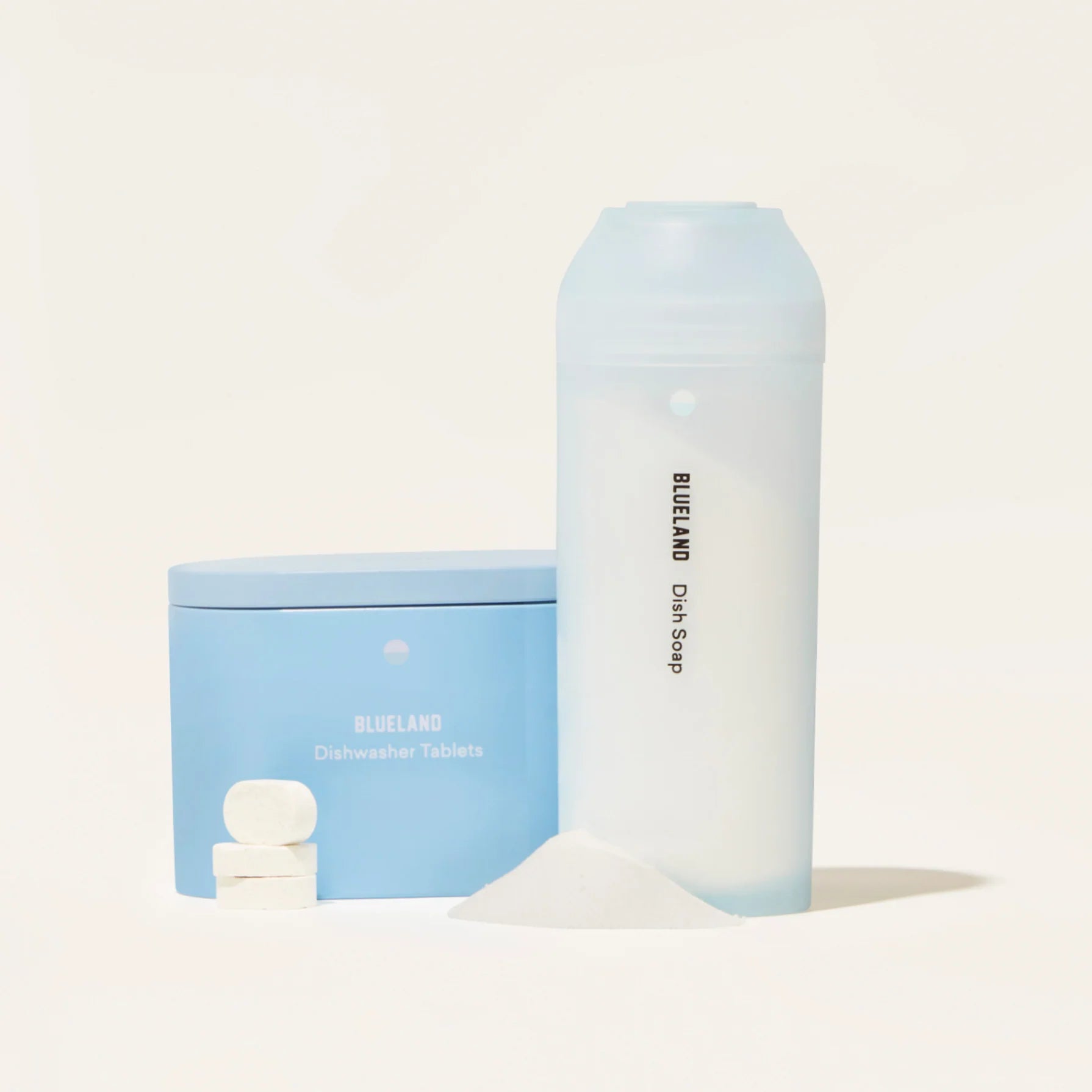
On Bluelandoutlet, you can find a variety of refillable hand soap options that are designed to minimize plastic waste. While we don’t have a specific hand soap tablet product in this list, the principle applies to many refillable systems. For similar eco-friendly cleaning solutions, consider exploring Laundry Detergent Starter Set or Dishwasher Detergent Forever Tin to see how refillable systems work across different cleaning categories.
Bacterial Growth: The Hidden Risk in Your Soap Bottle
One of the biggest concerns with any soap dispenser is bacterial contamination. Liquid hand soap bottles—especially those with pump tops—can become breeding grounds for bacteria if not cleaned regularly. Moisture, soap residue, and hand contact create an ideal environment for microbes to thrive. Studies have shown that pump nozzles can harbor bacteria like Staphylococcus and E. coli, especially in public restrooms.
Hand soap refill tablets offer a potential advantage here. Since you prepare the soap fresh with each refill, the solution is less likely to sit for extended periods. However, if you reuse a bottle without cleaning it thoroughly, residual bacteria from the previous batch can contaminate the new soap. The key to hygiene with refillable systems is proper bottle maintenance.
Comparing Contamination Risks
| Factor | Liquid Hand Soap | Hand Soap Refill Tablets |
|---|---|---|
| Bottle reuse frequency | New bottle each time | Reused bottle (requires cleaning) |
| Soap preparation | Pre-mixed, shelf-stable | Mixed at home with water |
| Bacteria risk from pump | Moderate to high (if not cleaned) | Moderate (depends on bottle hygiene) |
| Preservatives | Often include preservatives | Varies by brand; some are preservative-free |
As you can see, the hygiene difference largely comes down to how you maintain your dispenser. If you use a refillable system, it’s essential to wash the bottle and pump with hot, soapy water between refills. Some brands recommend boiling the nozzle or using a diluted bleach solution to sanitize.
Antibacterial Hand Soap vs. Regular Refill Tablets
Another hygiene consideration is whether the soap itself contains antibacterial ingredients. Many liquid hand soaps on the market contain triclosan or benzalkonium chloride, which are marketed as antibacterial agents. However, the FDA has stated that there is no evidence that antibacterial soaps are more effective than plain soap and water at preventing illness. In fact, overuse of antibacterial ingredients may contribute to antibiotic resistance.
Hand soap refill tablets typically avoid harsh antibacterial chemicals, relying instead on surfactants that physically remove dirt and microbes from your skin. This is the same mechanism that makes regular liquid soap effective. For most households, a good lather and proper handwashing technique (at least 20 seconds) are all you need for hygiene.
Refill Hygiene: Best Practices for Tablet Systems
If you’re switching to hand soap refill tablets, follow these tips to maintain optimal hygiene:
- Clean the bottle thoroughly before each refill. Use hot water and dish soap, and rinse well.
- Sanitize the pump nozzle by soaking it in a vinegar solution or boiling it for a few minutes (check manufacturer instructions).
- Use filtered or distilled water if your tap water has high mineral content, which can affect soap consistency and potentially harbor bacteria.
- Don’t let mixed soap sit for too long. Most refill tablets are designed for single-use batches; use the soap within a few weeks.
- Label your bottle with the date you made the batch, so you know when to refresh it.
For those who prefer a complete cleaning system, Bluelandoutlet offers the Cleaning Companions bundle, which includes reusable bottles perfect for your refillable cleaning routine.
Environmental and Cost Considerations
Hygiene isn’t the only factor—many people choose hand soap refill tablets to reduce plastic waste. Traditional liquid soap comes in single-use plastic bottles, while tablets come in small, recyclable or compostable packaging. Over a year, switching to refillable hand soap can save dozens of plastic bottles from ending up in landfills.
Cost-wise, refill tablets are often more economical per ounce than liquid soap. A single tablet can make a full bottle of soap, and bulk purchases bring the cost down even further. For those looking to maximize savings and minimize waste, consider the 1 Year of Oxi Laundry Booster or other bulk refill options available on the platform.
Which Is More Hygienic? Our Verdict
Neither hand soap refill tablets nor liquid hand soap is inherently more hygienic—it all depends on your habits. If you are diligent about cleaning your reusable bottle, hand soap tablets can be just as hygienic as liquid soap, with the added benefits of reduced plastic waste and lower cost. However, if you prefer a no-fuss approach and are concerned about bacteria buildup, traditional liquid soap in a new bottle may be simpler.
For families with young children or anyone with a compromised immune system, we recommend sticking with liquid soap that has a sealed pump to minimize contamination risk. For everyone else, a well-maintained refillable system from a trusted brand like Bluelandoutlet is a safe, effective, and eco-friendly choice.
Final Thoughts
Ultimately, the best hand soap is the one you use consistently. Whether you choose liquid soap or refill tablets, proper handwashing technique—scrubbing all surfaces, rinsing thoroughly, and drying—is what truly keeps germs at bay. By combining good hygiene practices with a refillable system, you can protect both your health and the planet.
Ready to make the switch to a cleaner, greener handwashing routine? Explore the Cleaning Companions bundle to get started with reusable bottles and refillable cleaning products that simplify your home care.