The Environmental Impact of Traditional Cleaning Products vs. Tablet Refills: A Sustainability Showdown
By Bluelandoutlet | Published: 2026-05-25
Category: Industry News
Explore the environmental impact of traditional cleaning products versus eco-friendly tablet refills. Learn how switching to plastic-free alternatives like those at Bluelandoutlet cuts waste and carbon footprint.
Every day, millions of households reach for sprays, liquids, and wipes to keep their homes clean. But behind the shine of a streak-free mirror or the scent of lemon-fresh countertops lies a hidden cost: the environmental impact of traditional cleaning products. From plastic packaging to chemical runoff, conventional cleaners leave a heavy footprint. In contrast, a new wave of tablet refills—compact, plastic-free, and highly effective—offers a compelling alternative. This article dives deep into the environmental impact of traditional cleaning products vs. tablet refills, examining waste, carbon emissions, water pollution, and the path to a cleaner home and planet.
Understanding this comparison is crucial for consumers who want to make informed, sustainable choices. The shift toward plastic-free cleaning is not just a trend; it's a necessity. According to the United Nations, only 9% of all plastic ever produced has been recycled. The rest ends up in landfills, oceans, or incinerators. Traditional cleaning products are a major contributor, with their single-use bottles and often non-recyclable pumps. Tablet refills, on the other hand, drastically reduce packaging and transportation emissions. By exploring these factors, you'll see how a simple switch can amplify your positive impact.
The Plastic Problem: Packaging Waste
The most visible difference between traditional cleaning products and tablet refills is packaging. A standard bottle of all-purpose spray or glass cleaner is typically made from virgin plastic, used once, and then discarded—even if it's recyclable, most plastic is downcycled or never processed. Multiply that by the average household's dozen-plus cleaning products, and the waste is staggering. In the United States alone, over 80 billion plastic bottles are thrown away each year, many from household cleaners.
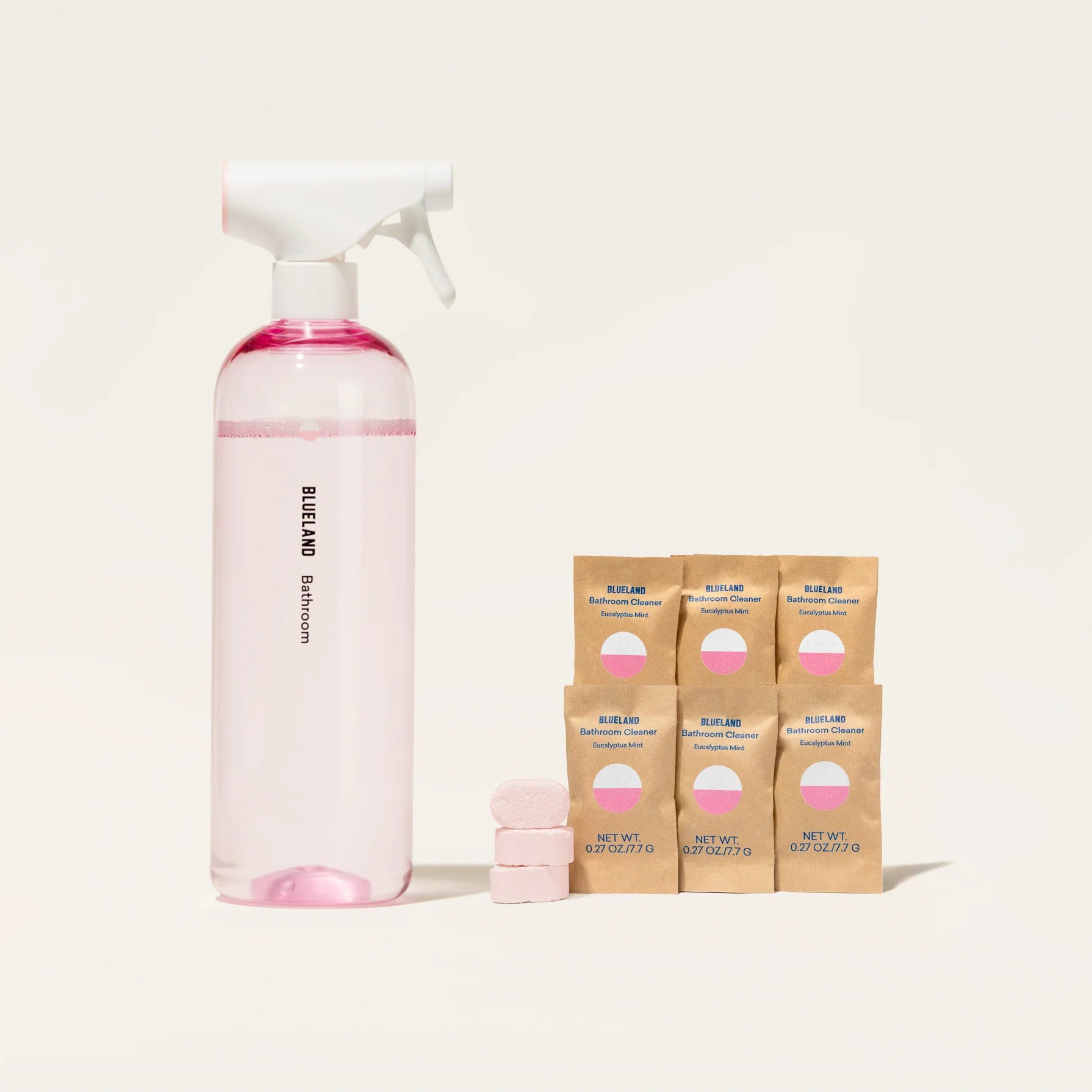
Tablet refills, by contrast, arrive in lightweight, often compostable or recyclable paper packaging. For example, Glass + Mirror Cleaner Tablet Refills come in a small cardboard box that contains enough tablets to make multiple bottles of cleaner. You simply drop a tablet into a reusable bottle, add water, and shake. This approach eliminates the need for a new plastic bottle each time. Over a year, a household using tablet refills can prevent dozens of plastic bottles from entering the waste stream.
Moreover, the compact size of tablet refills means they take up far less space in shipping trucks, reducing the carbon footprint of transportation. A single truck can carry thousands of tablet refills compared to hundreds of pre-filled bottles. This efficiency is a key advantage in the fight against climate change.
Chemical Footprint: What Goes Down the Drain
Traditional cleaning products often contain harsh chemicals like ammonia, bleach, phthalates, and synthetic fragrances. When you rinse them down the drain, these chemicals can persist in waterways, harming aquatic life and potentially entering drinking water supplies. Many conventional cleaners also contribute to the formation of ground-level ozone and other air pollutants when used indoors.
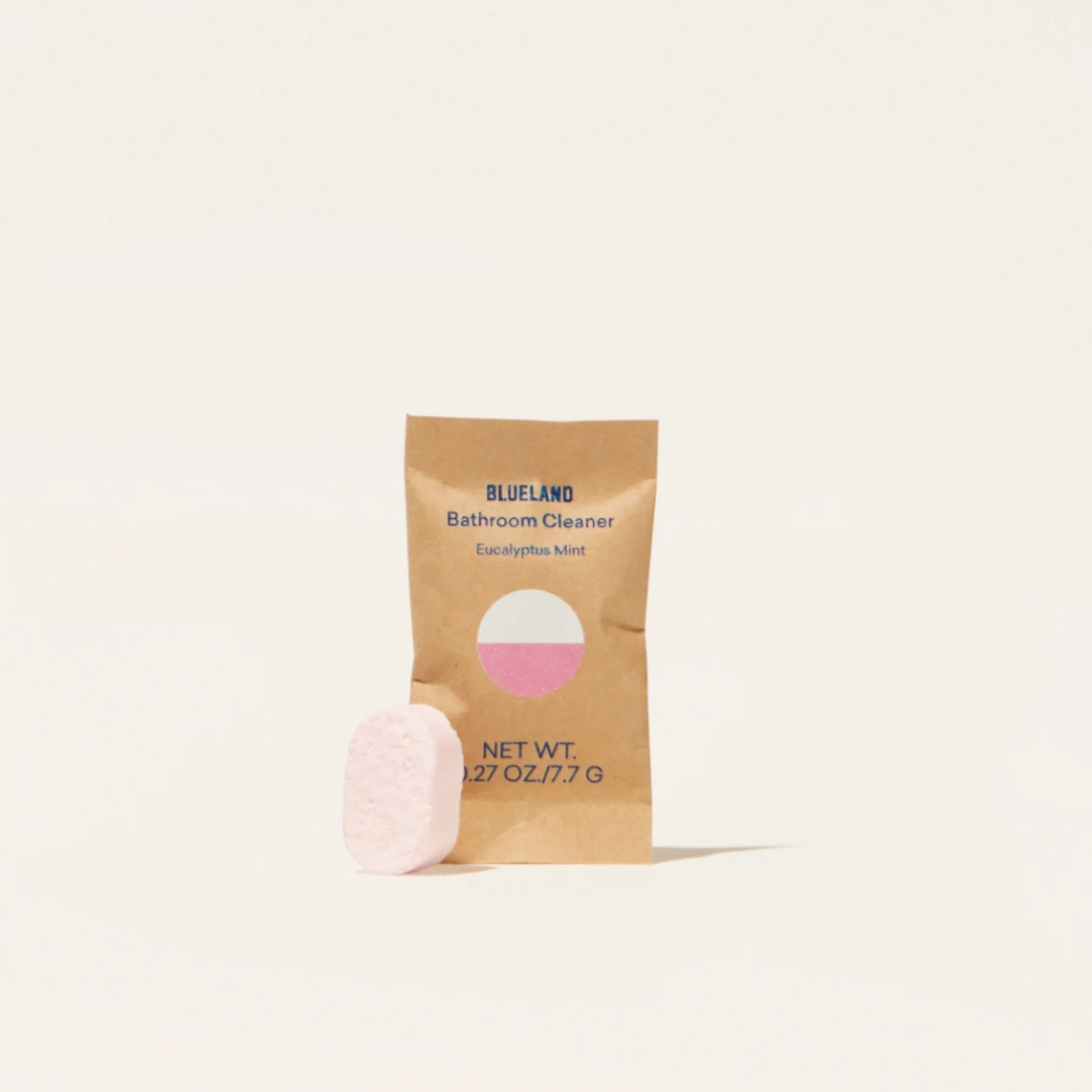
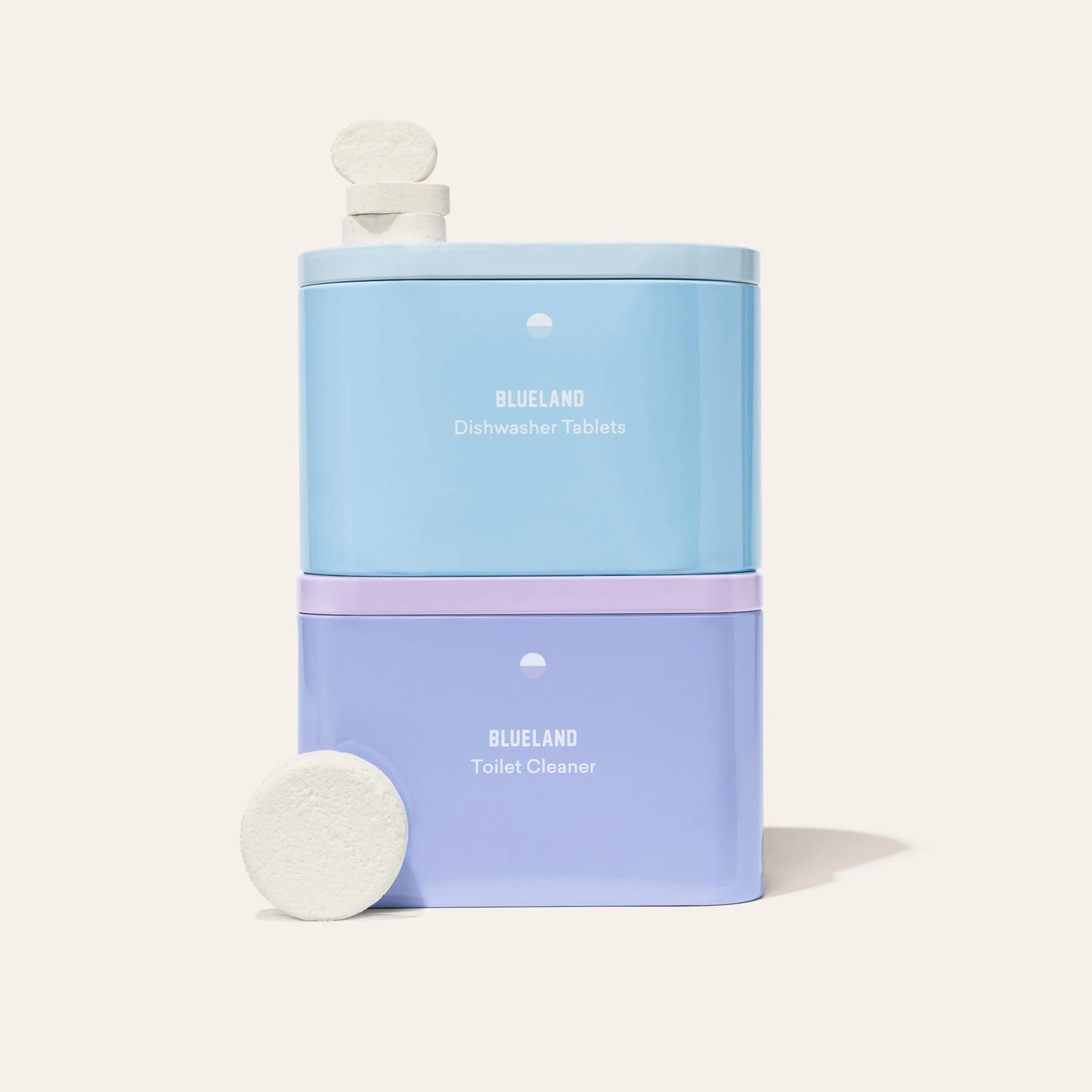
Tablet refills, especially those formulated with plant-based or mineral ingredients, offer a gentler alternative. Brands like Bluelandoutlet focus on biodegradable, non-toxic formulas that break down safely after use. For instance, their Toilet Bowl Cleaner Tablet Refills use citric acid and other eco-friendly ingredients to tackle stains without introducing chlorine or other persistent toxins. This reduces the chemical load on wastewater treatment plants and the environment.
It's important to note that not all tablet refills are created equal. Some may still contain synthetic surfactants or preservatives. However, the overall trend is toward cleaner chemistry, and consumers can check ingredient lists to ensure they're choosing products with minimal environmental impact. The move to refills also reduces the risk of accidental chemical mixing, a common hazard with traditional products stored under sinks.
Water Usage and Carbon Emissions
Traditional cleaning products are mostly water. A typical spray bottle is about 90% water, with only 10% active ingredients. That water is shipped from factory to store to home, adding weight and increasing fuel consumption. In contrast, tablet refills are dry concentrates. You add water at home from your tap, saving the weight and emissions associated with shipping water. This simple shift can reduce the carbon footprint of a cleaning product by up to 80%.
Consider the lifecycle of a single bottle of glass cleaner. From petroleum extraction for the plastic, to manufacturing, to filling, to transportation, each step emits carbon dioxide. A study by the Environmental Paper Network found that replacing liquid concentrates with dry tablets can cut greenhouse gas emissions by 60-70% across the supply chain. For a product like 1 Year of Glass + Mirror Cleaner, the cumulative savings are significant: one year's supply of tablets replaces 12 or more plastic bottles, each with its own carbon footprint.
Water conservation is another benefit. While you do use tap water to reconstitute tablets, the volume is far less than the water already embedded in traditional products. Plus, you avoid the water used in rinsing and recycling bottles. Over time, these small savings add up to meaningful resource conservation.
Comparison Table: Traditional vs. Tablet Refills
| Factor | Traditional Cleaning Products | Tablet Refills (e.g., Bluelandoutlet) |
|---|---|---|
| Packaging per use | New plastic bottle each time | One reusable bottle + tablets in cardboard |
| Plastic waste per year (avg household) | 10–20 lbs | 0.5–2 lbs |
| Shipping weight | Heavy (mostly water) | Light (dry tablets) |
| Carbon footprint (per unit) | High | Low (up to 80% less) |
| Chemical toxicity | Often high (ammonia, bleach, etc.) | Low (plant-based, non-toxic) |
| Water pollution risk | Moderate to high | Low |
| Cost per use | Varies, often $0.20–$0.50 | Often $0.10–$0.30 |
| Ease of use | Ready to spray | Add tablet + water |
Lifecycle Analysis: From Cradle to Grave
A full lifecycle assessment (LCA) of cleaning products reveals that the majority of environmental impact occurs during raw material extraction and packaging manufacturing. For traditional products, petroleum-based plastics and energy-intensive chemical synthesis dominate. For tablet refills, the impact is concentrated in the production of the active ingredients and the cardboard packaging, which is often recyclable or compostable.
Take the example of laundry detergent. A 2021 study by the European Commission found that liquid laundry detergents have a carbon footprint 2.5 times higher than compact tablets, due to their water content and plastic jugs. While the study focused on mainstream brands, the principle holds for all liquid cleaners. Laundry Detergent Tablet Refills are a prime example: they use a fraction of the packaging and eliminate the need for heavy plastic jugs that often can't be recycled curbside.
Furthermore, the end-of-life stage is critical. Traditional plastic bottles are rarely recycled into new bottles; they're often downcycled into lower-grade products or sent to landfill where they take centuries to decompose. Tablet refill packaging—cardboard and paper—can be composted or recycled more efficiently, closing the loop on materials.
Consumer Behavior and the Shift to Plastic-Free
Adopting tablet refills requires a small behavioral change: you must remember to refill your reusable bottle with water and drop in a tablet. This may seem trivial, but it's a barrier for some. However, the benefits—less clutter, fewer trips to the store, and a smaller environmental footprint—outweigh the inconvenience. Many users report that the ritual of refilling becomes a satisfying part of their cleaning routine, reinforcing their commitment to sustainability.
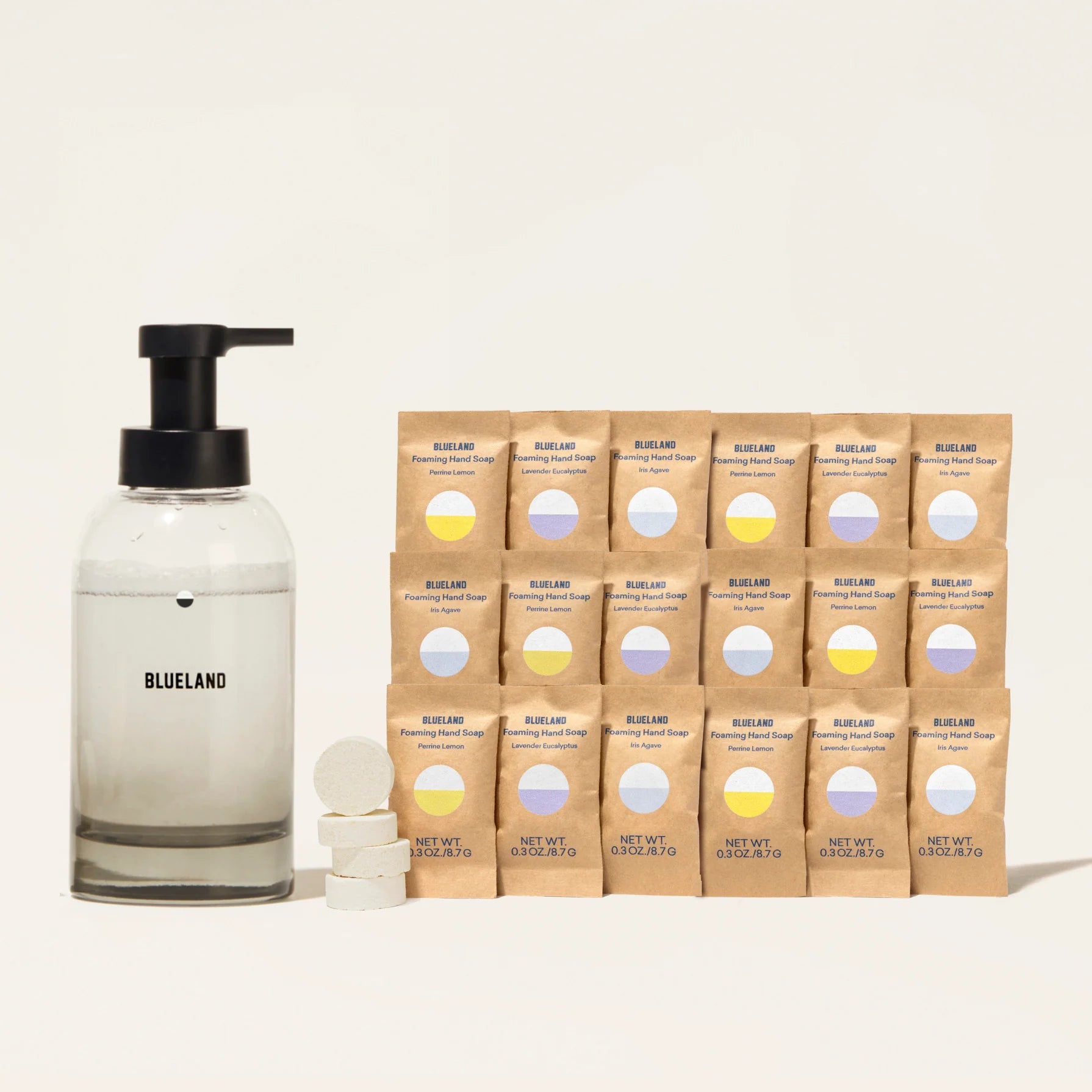
The rise of subscription services and starter kits makes the transition easier than ever. A product like the Clean Essentials Kit provides everything you need to begin: a reusable spray bottle, a hand soap dispenser, and an assortment of cleaning tablets. This eliminates the upfront cost of buying separate bottles and encourages long-term use.
Moreover, tablet refills are often more cost-effective over time. While the initial investment in a reusable bottle may be higher, the per-use cost of refills is typically lower than buying new bottles of liquid cleaner. For budget-conscious households, this is a win-win.
Addressing Common Concerns
Are tablet refills as effective as traditional cleaners? Yes. Modern formulations are rigorously tested to match or exceed the cleaning power of conventional products. For example, glass cleaner tablets leave no streaks, and toilet bowl tablets dissolve hard water stains effectively.
Do they have a shorter shelf life? Tablets are stable when kept dry, often lasting 1–2 years. This is comparable to liquid cleaners, which can degrade over time.
Are they safe for septic systems? Most tablet refills are designed to be septic-safe, using biodegradable ingredients that don't harm beneficial bacteria.
Can I use my own bottle? Yes, as long as it's clean and sturdy. Many brands sell durable forever bottles, but you can repurpose an old spray bottle as long as it's compatible.
The Bigger Picture: Industry and Policy Trends
The cleaning industry is under pressure to reduce its plastic footprint. In 2024, the European Union proposed stricter regulations on single-use plastic packaging, including for cleaning products. In the United States, several states have introduced extended producer responsibility (EPR) laws that require companies to manage the end-of-life of their packaging. These policies are accelerating the shift toward refillable and concentrate-based systems.
Bluelandoutlet is at the forefront of this movement, offering a comprehensive range of tablet refills for every room in the house. By choosing these products, consumers send a clear signal to the market: sustainability matters. As more people adopt tablet refills, economies of scale will lower costs and broaden availability, making it easier for everyone to participate.
Conclusion: Your Role in the Clean Revolution
The environmental impact of traditional cleaning products is undeniable—plastic waste, chemical pollution, and carbon emissions all take a toll. Tablet refills offer a practical, effective, and affordable solution that addresses each of these issues. By switching to products like those from Bluelandoutlet, you can reduce your household's plastic waste by up to 90%, lower your carbon footprint, and protect local waterways from harsh chemicals.
The choice is clear: every time you refill a bottle instead of buying a new one, you're voting for a cleaner planet. Start your plastic-free journey today and see the difference for yourself. Explore the Clean Essentials Kit to get everything you need for a sustainable home—one tablet at a time.