Dryer Balls vs. Fabric Softener Sheets: A Cost and Performance Analysis for 2025
By Bluelandoutlet | Published: 2026-06-06
Category: Product Reviews
Compare dryer balls and fabric softener sheets on cost, performance, and eco-impact. Discover which laundry solution saves money and works best in 2025.
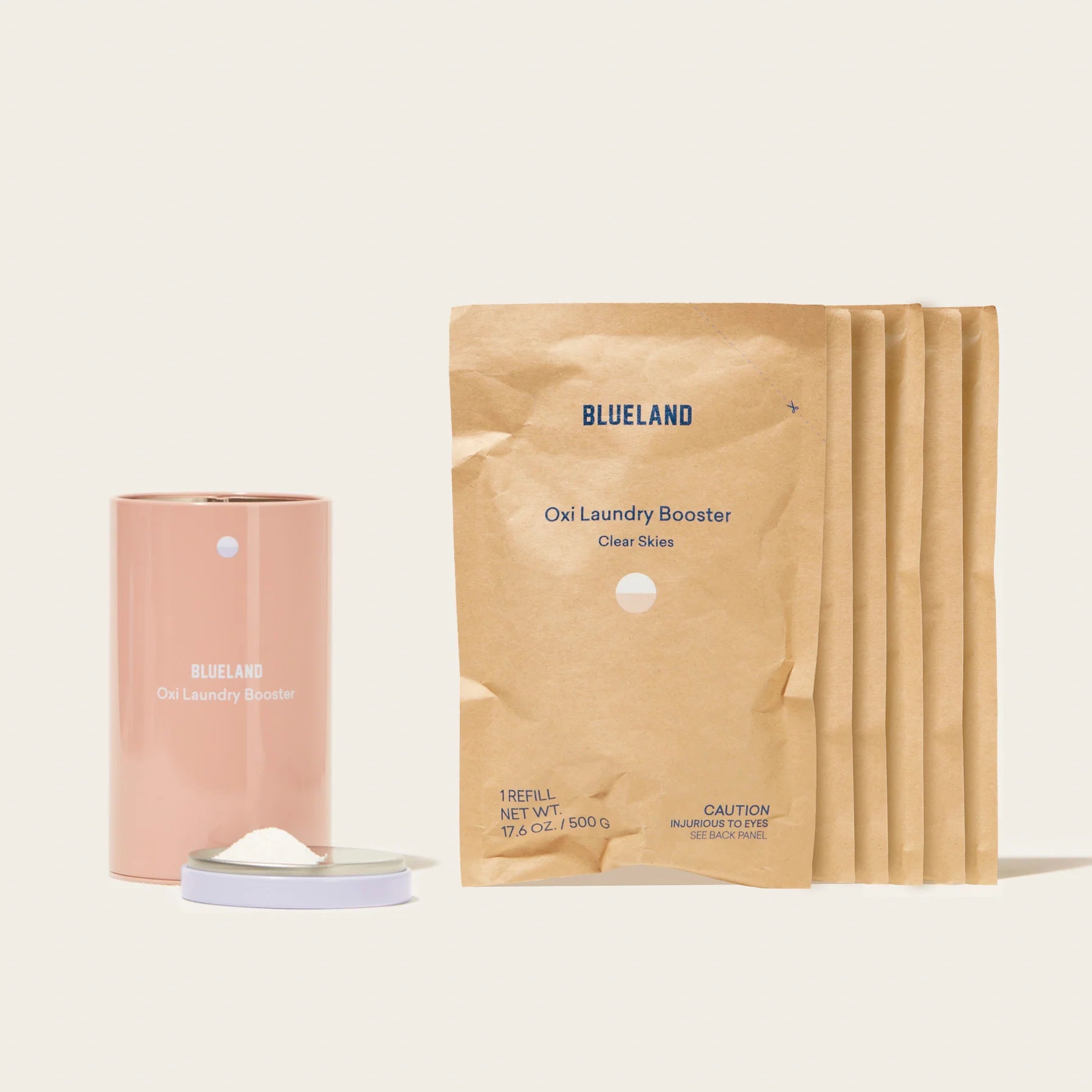
If you’ve ever stood in the laundry aisle, staring at a bin of plastic-wrapped fabric softener sheets and a set of wool dryer balls, you’re not alone. The choice between dryer balls and fabric softener sheets is one of the most debated topics in modern laundry care. In 2025, with rising utility costs and a growing emphasis on sustainable living, understanding the real differences—beyond marketing claims—is essential. This article breaks down the cost, performance, environmental impact, and overall value of both options, helping you make an informed decision for your home. Along the way, we’ll show how Oxi Laundry Booster Forever Tin can complement your chosen method for even better results.
How Dryer Balls Work
Dryer balls are typically made from wool, rubber, or plastic. They are tossed into the dryer with wet laundry. As the drum rotates, the balls bounce around, creating space between clothes. This allows hot air to circulate more efficiently, reducing drying time by 10% to 25%. The movement also helps to naturally soften fabrics by separating fibers, which reduces static cling without chemical coatings. Wool dryer balls, in particular, are reusable for hundreds of loads, making them a long-term investment.
How Fabric Softener Sheets Work
Fabric softener sheets are single-use polyester or cellulose sheets coated with a thin layer of quaternary ammonium salts (quats), fatty acids, and fragrances. During the drying cycle, heat melts these chemicals onto clothing fibers. The coating reduces friction between fibers, making clothes feel softer and reducing static cling. The fragrance is also released, leaving a fresh scent. However, the chemical residue can build up over time, potentially reducing towel absorbency and affecting moisture-wicking performance in athletic wear.
Cost Analysis: Dryer Balls vs. Fabric Softener Sheets
To truly compare costs, we need to look at the price per load over the lifespan of each product. Below is a realistic breakdown based on typical U.S. retail prices and average household laundry habits (4 loads per week, 208 loads per year).
| Product | Initial Cost | Lifespan (loads) | Cost per Load | Annual Cost (208 loads) |
|---|---|---|---|---|
| Wool Dryer Balls (6-pack) | $12–$18 | 1,000+ | $0.01–$0.02 | $2.08–$4.16 |
| Plastic Dryer Balls (3-pack) | $6–$10 | 500–1,000 | $0.01 | $2.08 |
| Fabric Softener Sheets (200-count) | $8–$14 | 200 | $0.04–$0.07 | $8.32–$14.56 |
As the table shows, dryer balls are significantly cheaper per load. Even the most expensive wool balls pay for themselves within three to six months compared to sheets. Over a decade, a household using dryer balls could save $100–$150. However, it’s important to note that dryer balls do not provide scent or the extreme softness that some consumers crave from sheets. If you miss the fragrance, you can add a few drops of essential oil to a wool ball before drying, or use a natural laundry booster like Oxi Laundry Booster Forever Tin to enhance freshness and whiteness without relying on chemical sheets.
Performance Comparison: Softness, Static, and Drying Time
Softness
Fabric softener sheets deliver a consistently soft feel because they deposit chemical lubricants on fibers. Dryer balls produce a softer, fluffier texture by mechanical action—not by coating fibers. Many users find that towels dried with balls remain more absorbent. For sheets and delicate fabrics, balls may not provide the same “buttery” softness, but they avoid the waxy buildup that can make fabrics feel stiff over time.
Static Cling
Fabric softener sheets are excellent at reducing static. Dryer balls also reduce static, but less effectively in very dry climates or with synthetic fabrics like polyester. If static is a major concern, try using three to four wool balls for smaller loads, or a combination of balls and a damp washcloth added mid-cycle. The moisture helps balance static.
Drying Time
Dryer balls are the clear winner here. By improving air circulation, they can cut drying time by 10–25%. This translates to tangible energy savings. Fabric softener sheets do not affect drying time. Over a year, using dryer balls can save a typical household $20–$40 in electricity or gas costs, according to energy efficiency studies.
Environmental Impact: The Hidden Costs
Fabric softener sheets are single-use plastic products. Most are not recyclable because of the chemical coating, and they end up in landfills where they can take decades to degrade. Additionally, the quats used in sheets are toxic to aquatic life when washed down drains (yes, some residue goes into the water). Dryer balls, especially wool ones, are biodegradable if natural wool is used. Plastic balls are reusable but made from non-renewable resources. Wool balls are the most eco-friendly option, and they last for years.
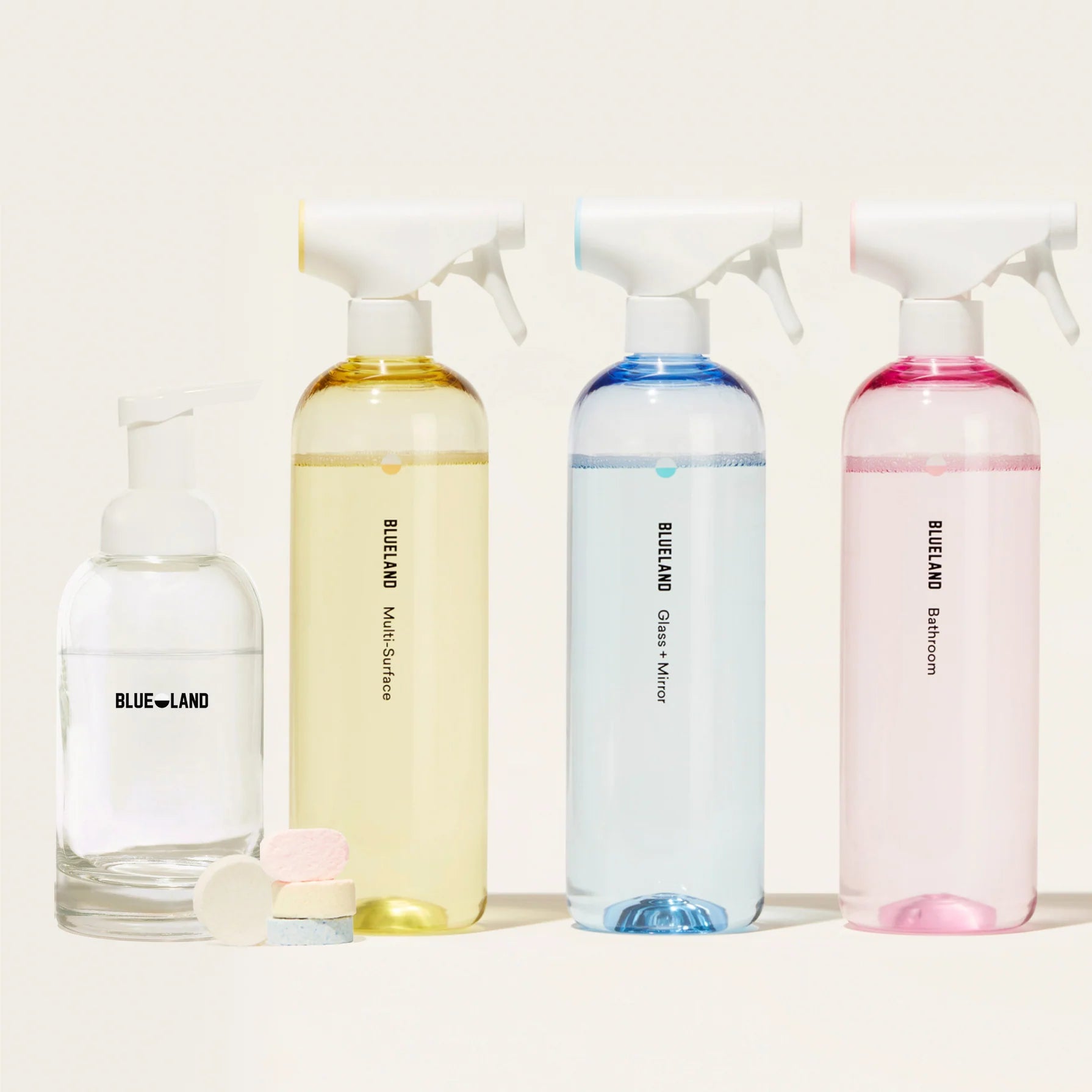
Pairing dryer balls with a sustainable cleaning system is a smart move. For example, using Multi-Surface Cleaner Tablet Refills for your laundry area eliminates plastic bottles and reduces chemical runoff. The tablet-based refill system aligns perfectly with a low-waste laundry routine.
Health Considerations: Allergies and Skin Sensitivity
Fabric softener sheets are a common trigger for contact dermatitis and respiratory irritation, especially in people with sensitive skin or asthma. The fragrance and quats can cause rashes and worsen eczema. Dryer balls are hypoallergenic—wool balls are naturally antimicrobial and free of synthetic fragrances. For families with babies or allergy-prone individuals, dryer balls are the safer choice. If you want a gentle scent, you can add a few drops of pure essential oil to a wool ball without the harsh chemicals.
Ease of Use and Maintenance
Fabric softener sheets require no maintenance: you simply toss one in with each load. Dryer balls are also easy—just drop them in. However, wool balls may need occasional cleaning to remove lint buildup. Every few months, wash them in hot water with a mild detergent and reshape them while damp. They last longer if you avoid over-drying. Plastic balls require no maintenance. Both options are far more convenient than liquid fabric softener, which requires filling a dispenser and cleaning the machine periodically.
Combining Solutions for Best Results
You don’t have to choose exclusively one or the other. Some households use dryer balls for 90% of loads and keep a box of biodegradable sheets for special items like synthetic sports gear where static is stubborn. Alternatively, you can use a laundry booster like Oxi Laundry Booster Forever Tin to brighten whites and remove odors, while relying on dryer balls for softening and energy savings. This hybrid approach maximizes performance while minimizing waste.
Final Verdict: Which Should You Choose in 2025?
For the vast majority of households, dryer balls are the superior choice. They are cheaper per load, reduce energy consumption, last for years, and are free of harmful chemicals. Fabric softener sheets still have a place if you prioritize extreme softness and strong scent, but the environmental and health trade-offs are significant. If you’re making the switch, invest in a high-quality set of wool dryer balls. And to take your laundry routine to the next level, explore our collection of sustainable cleaning products.
Ready to make the switch to a more eco-friendly and cost-effective laundry routine? Check out the Oxi Laundry Booster Forever Tin—it naturally boosts stain removal and whitening, and it works perfectly alongside your new dryer balls. Start saving money and the planet today!