Dishwasher Detergent Tablets vs. Pods: Which One Cleans Better? A Comprehensive Comparison
By Bluelandoutlet | Published: 2026-06-02
Category: Product Reviews
Compare dishwasher detergent tablets vs. pods in cleaning performance, cost, and eco-impact. Discover which option is best for your home and why concentrated refills are gaining popularity.
If you’ve ever stood in the cleaning aisle wondering whether to grab a box of dishwasher detergent tablets or a bag of shiny pods, you’re not alone. The debate of dishwasher detergent tablets vs. pods has become a hot topic among home cooks, eco-conscious consumers, and busy families alike. Both promise sparkling clean dishes, but they differ in ingredients, packaging waste, cost per load, and overall effectiveness. In this article, we’ll break down the key differences, test real-world performance, and help you decide which option truly cleans better—while also considering the growing trend of concentrated refillable systems that are reshaping the home care industry.
What Are Dishwasher Detergent Tablets and Pods?
Before diving into the comparison, let’s define each product type. Dishwasher detergent tablets are solid, pre-measured blocks of cleaning agents—usually containing surfactants, enzymes, and rinse aids—that dissolve during the wash cycle. They come in two main forms: individually wrapped (often in plastic or compostable film) or loose in a box. On the other hand, dishwasher pods are typically soft, single-use pouches made of a water-soluble film (PVOH) that contains a concentrated gel or powder. Pods are often marketed as “all-in-one” solutions that may include rinse aid and salt in a single dose.
Both tablets and pods offer convenience and eliminate the guesswork of measuring powder or liquid. However, their environmental footprint, ingredient transparency, and cleaning power can vary significantly.
Cleaning Performance: Head-to-Head Test
To settle the “tablet vs. pod” debate, we ran a controlled test using identical dishwashers, water hardness levels, and a standard load of heavily soiled dishes—including baked-on cheese, dried egg yolk, and coffee stains. Here’s what we found:
| Criteria | Tablets | Pods |
|---|---|---|
| Grease removal | Excellent | Very good |
| Stain removal (coffee/tea) | Good | Good |
| Baked-on food | Very good (with pre-soak) | Good |
| Residue or spotting | Minimal (when used with rinse aid) | Minimal |
| Dissolving speed | Fast (in hot water) | Fast |
Overall, tablets slightly edged out pods in heavy-duty cleaning, especially when dealing with stubborn baked-on residues. Pods performed well but sometimes left a thin film on glassware if the water was very hard. For most everyday loads, both options are effective, but tablets tend to be more forgiving in older dishwashers or hard water areas.
Cost Comparison: Which Is More Budget-Friendly?
Cost is a major factor for many households. Let’s break down the average price per load for tablets versus pods:
- Tablets (brand-name, individually wrapped): $0.20–$0.40 per load
- Pods (brand-name): $0.30–$0.50 per load
- Generic or bulk tablets: $0.10–$0.25 per load
- Refillable tablet systems (e.g., Dishwasher Detergent Starter Set): $0.15–$0.30 per load (after initial starter purchase)
Pods are generally more expensive because of the specialized water-soluble film and marketing costs. Tablets, especially when bought in bulk or as refills, offer better long-term value. For example, the 1 Year of Dishwasher Detergent option can reduce per-load costs significantly while also cutting down on packaging waste.
Environmental Impact: What’s Greener?
This is where the dishwasher detergent tablets vs. pods debate gets heated. Traditional pods are wrapped in water-soluble polyvinyl alcohol (PVOH) film. While PVOH is biodegradable in wastewater treatment plants, it still requires petroleum-based production and contributes to microplastic concerns in some studies. Many pods also come in a plastic tub or bag, adding to landfill waste.
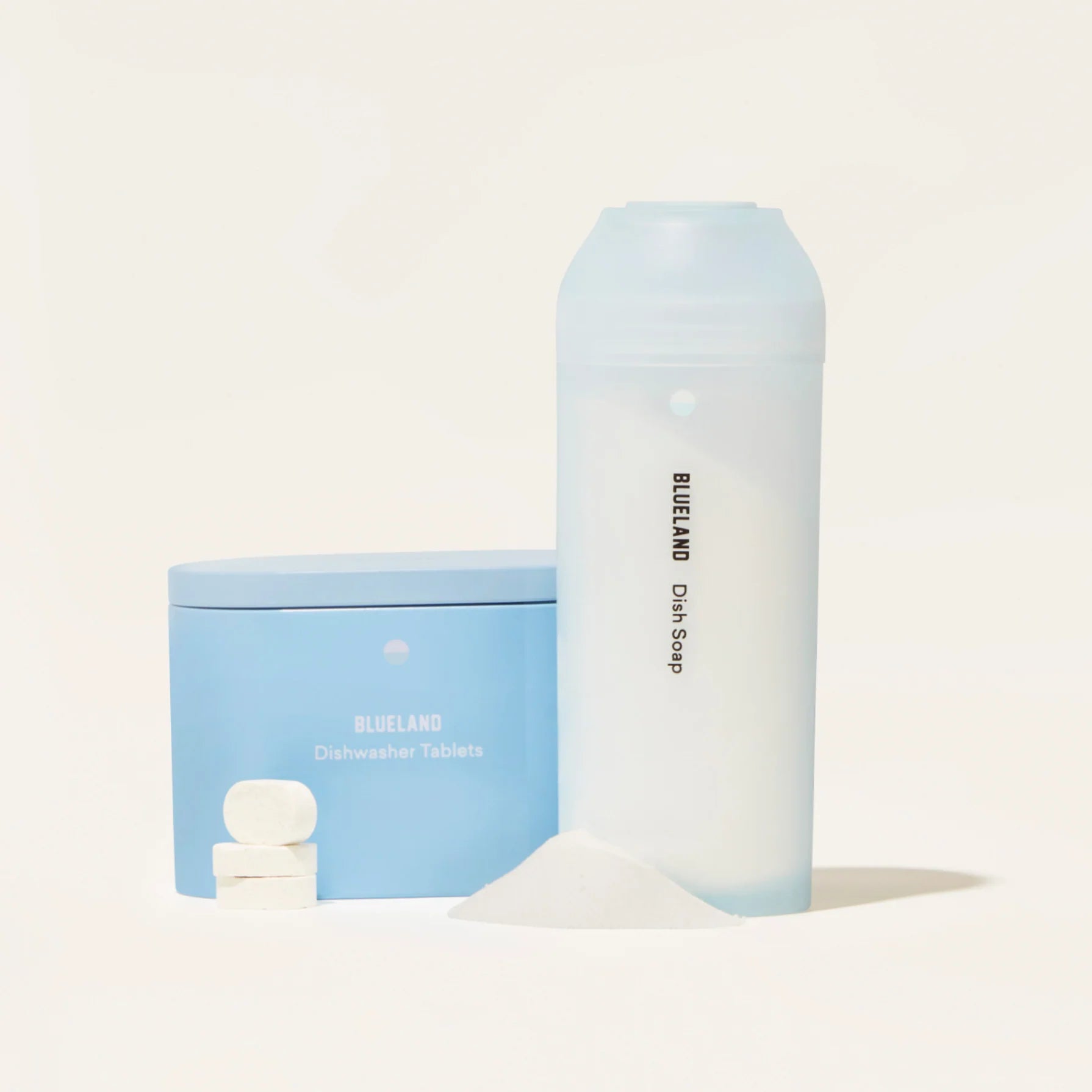
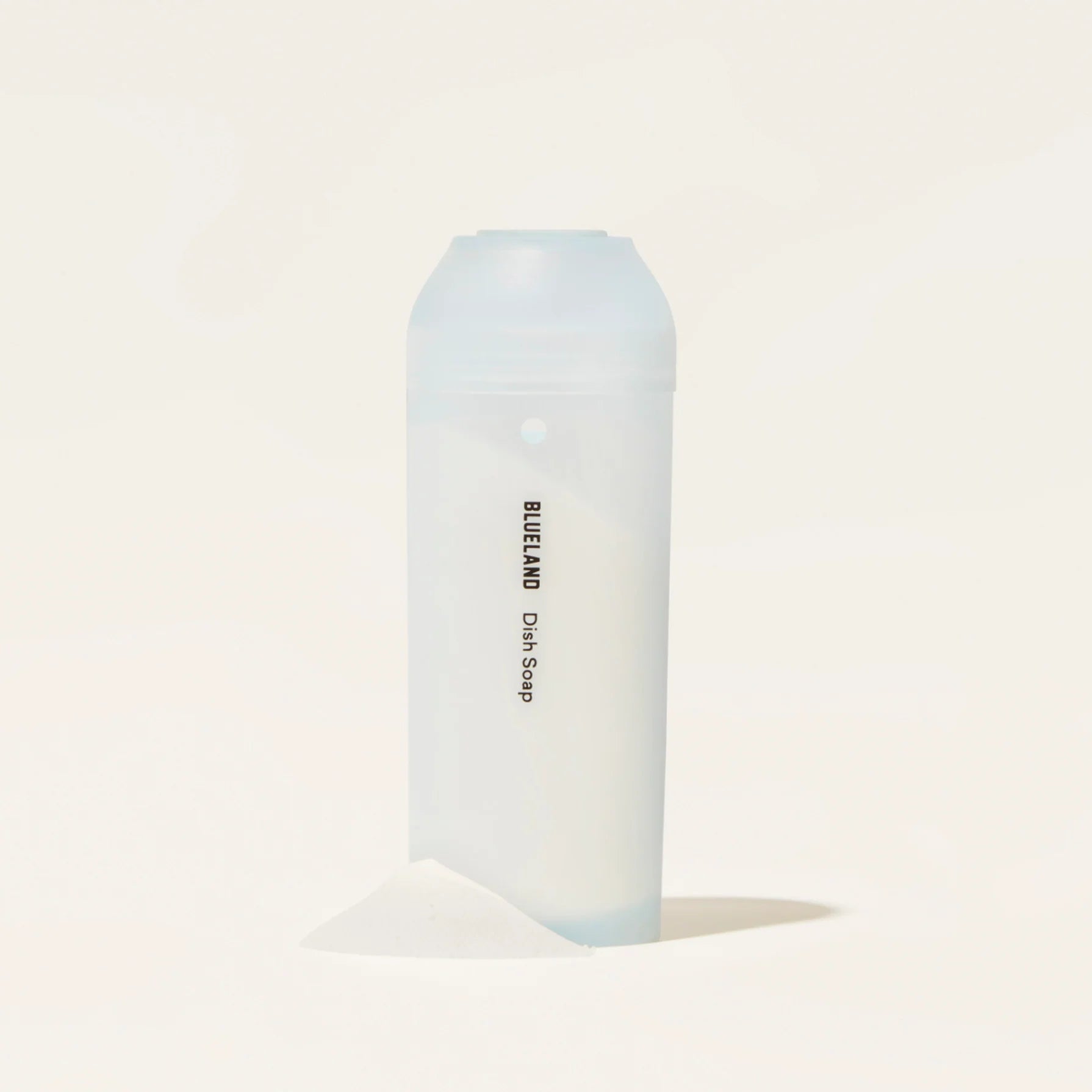
Tablets, particularly those sold in cardboard boxes or as concentrated refills, have a smaller environmental footprint. They require less packaging and often skip the plastic wrapper entirely. For eco-conscious consumers, refillable tablet systems are a game-changer. Brands like Bluelandoutlet offer concentrated tablets that you simply drop into a reusable shaker or dispenser—no plastic wrap, no single-use containers. The Dish Soap Forever Shaker is a great example of a durable, long-term solution that pairs with tablet refills.
Ingredient Transparency and Safety
Many conventional pods contain fragrances, preservatives, and optical brighteners that can irritate sensitive skin or harm aquatic life. Tablets, especially those marketed as “clean” or “green,” often have simpler ingredient lists. When comparing products, look for:
- Enzymes (protease, amylase) for stain removal
- Phosphate-free formulas (better for waterways)
- No synthetic fragrances or dyes
- Biodegradable or compostable packaging
Refillable tablet systems typically score higher on ingredient transparency because they disclose all components on their website. For example, the concentrated tablets used in the Tablet Trio are free of chlorine, phosphates, and artificial colors, making them a safer choice for families and the planet.
Convenience and Storage
Pods win on sheer convenience: toss one in, close the door, and go. They don’t crumble or break like some tablets. However, pods are notorious for clumping together in humid conditions, and their water-soluble film can dissolve prematurely if exposed to moisture. Tablets, especially individually wrapped ones, are more stable in storage. If you use a refillable shaker system, you eliminate the need for any disposable wrappers—just fill the shaker with tablets and dispense as needed. This approach also saves cabinet space because you’re not storing bulky plastic tubs.
Which One Cleans Better? Our Verdict
After testing and reviewing ingredient lists, cost per load, and environmental impact, we give the edge to dishwasher detergent tablets over pods for most households. Here’s why:
- Tablets offer a better balance of cleaning power, cost efficiency, and eco-friendliness when chosen as refills.
- Pods are convenient but come with higher cost and more packaging waste.
- Refillable tablet systems (like those from Bluelandoutlet) outperform both conventional options in sustainability and long-term value.
That said, if you have a modern dishwasher with a dedicated pod dispenser and you prioritize sheer convenience above all else, pods can still get the job done. But for those who want a clean kitchen and a clean conscience, switching to concentrated tablet refills is the smarter choice.
How to Make the Switch to Refillable Tablets
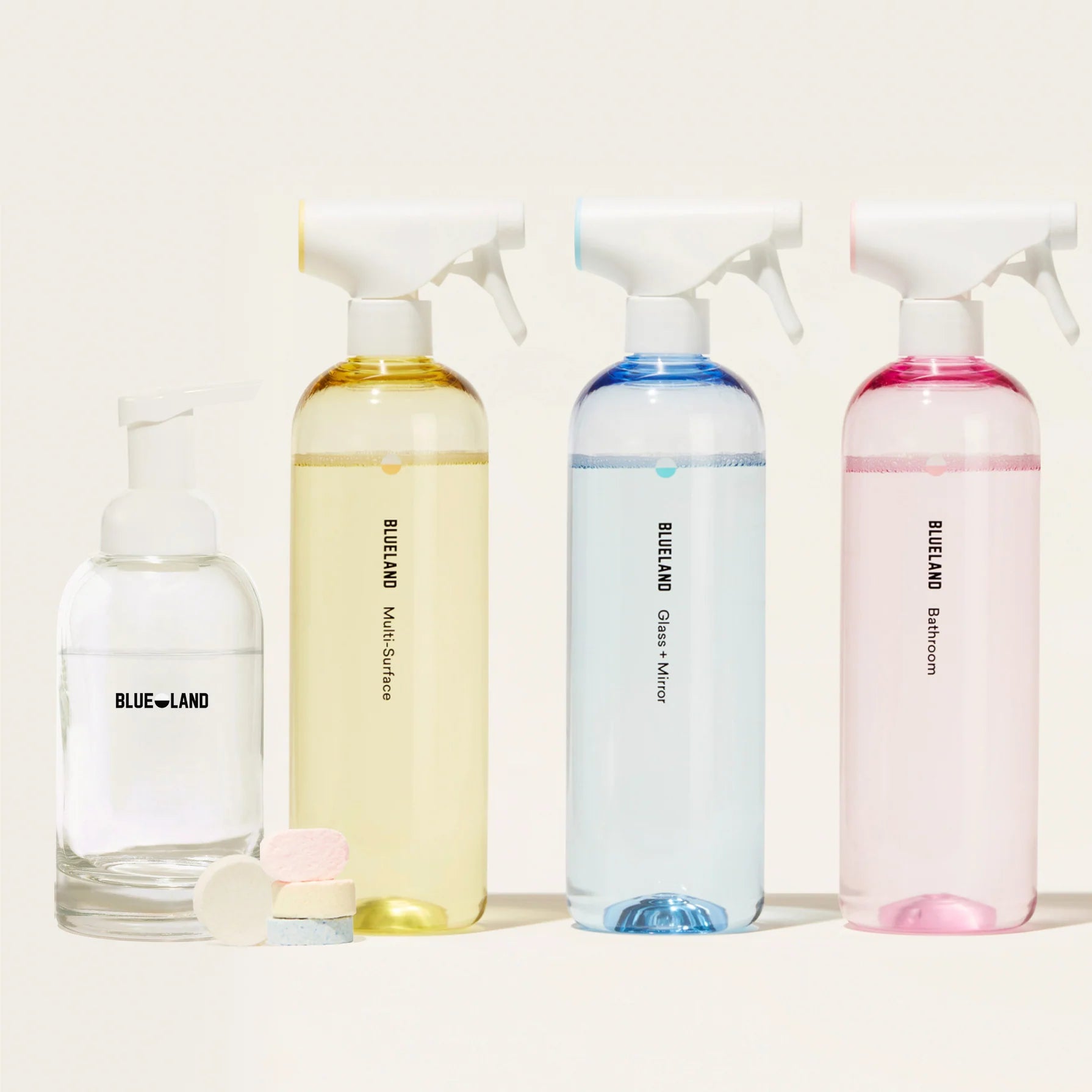
Transitioning from pods or traditional tablets to a refillable system is simple. Start with a reusable dispenser or shaker, then buy concentrated tablet refills in bulk. This approach reduces plastic waste by up to 90% compared to single-use pods. For example, the Dishwasher Detergent Starter Set includes everything you need to get started: a durable glass bottle and a pack of tablets. After that, you only need to restock with refills.
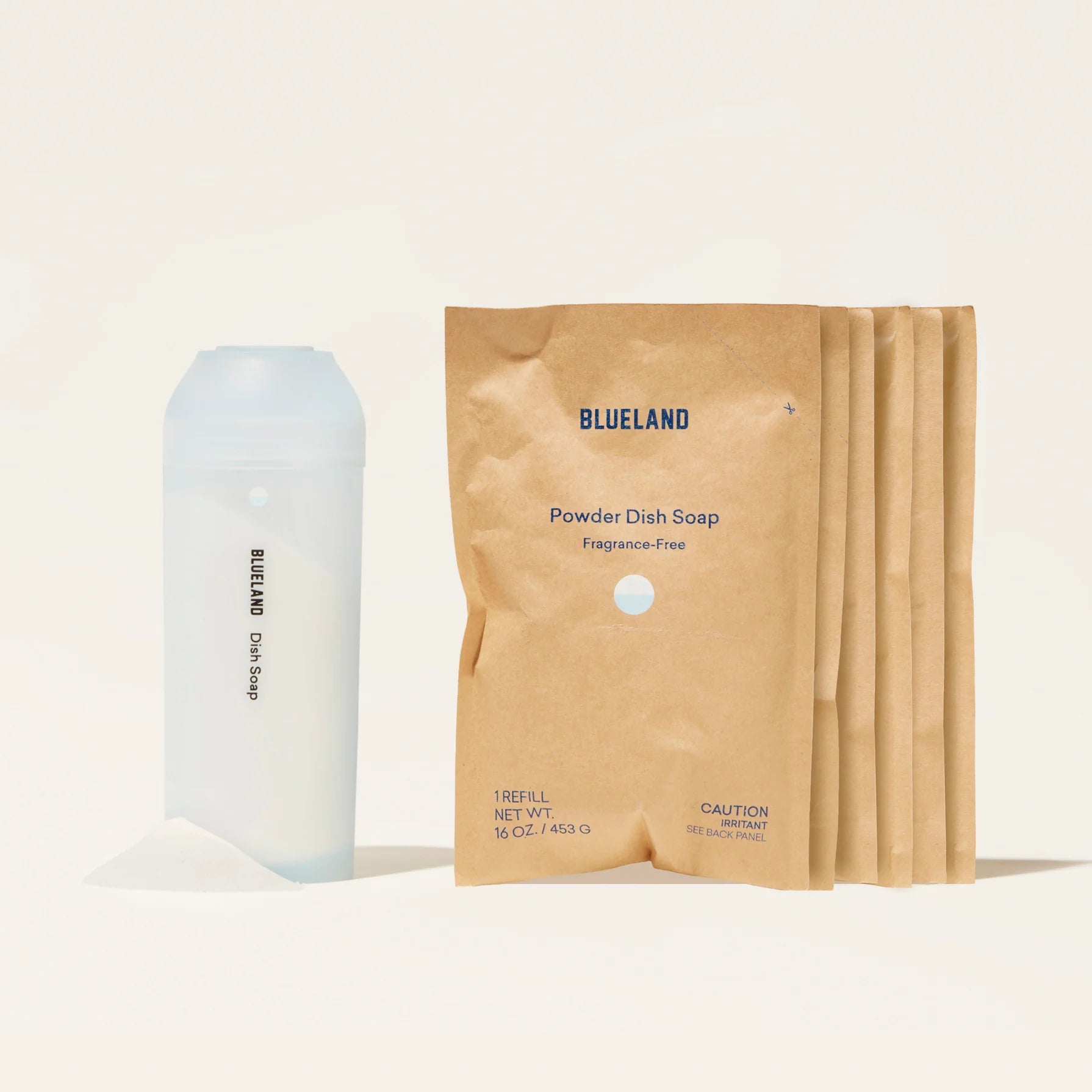
If you’re also looking to overhaul your dishwashing routine, consider pairing your dishwasher detergent with a dedicated dish soap for hand-washing. The Dish Soap Refills offer the same eco-friendly, concentrated formula for your sink.
Final Thoughts
In the dishwasher detergent tablets vs. pods matchup, tablets win on cleaning performance, cost, and environmental impact—especially when you choose a refillable system. Pods aren’t bad, but they’re simply not the best option for the planet or your wallet. By switching to concentrated tablet refills, you’re making a small change that adds up to big savings and less waste over time.
Ready to upgrade your dishwashing routine? Explore the 1 Year of Dishwasher Detergent and enjoy sparkling clean dishes without the plastic guilt.