Dish Soap Tablets vs. Liquid Dish Soap: Performance, Cost, and Eco-Impact Compared
By Bluelandoutlet | Published: 2026-05-30
Category: Product Reviews
Compare dish soap tablets vs. liquid dish soap on performance, cost, and eco-impact. Discover which is better for your kitchen, wallet, and the planet.
When you reach for dish soap, do you automatically grab the familiar plastic bottle of blue liquid, or have you considered the new wave of concentrated dish soap tablets? The choice between traditional liquid dish soap and modern tablet-based alternatives is more than just a packaging preference—it affects your cleaning routine, your household budget, and your environmental footprint. In this comprehensive comparison, we’ll break down the key differences in performance, cost, ingredients, and sustainability to help you decide which option truly deserves a spot by your sink.
What Are Dish Soap Tablets?
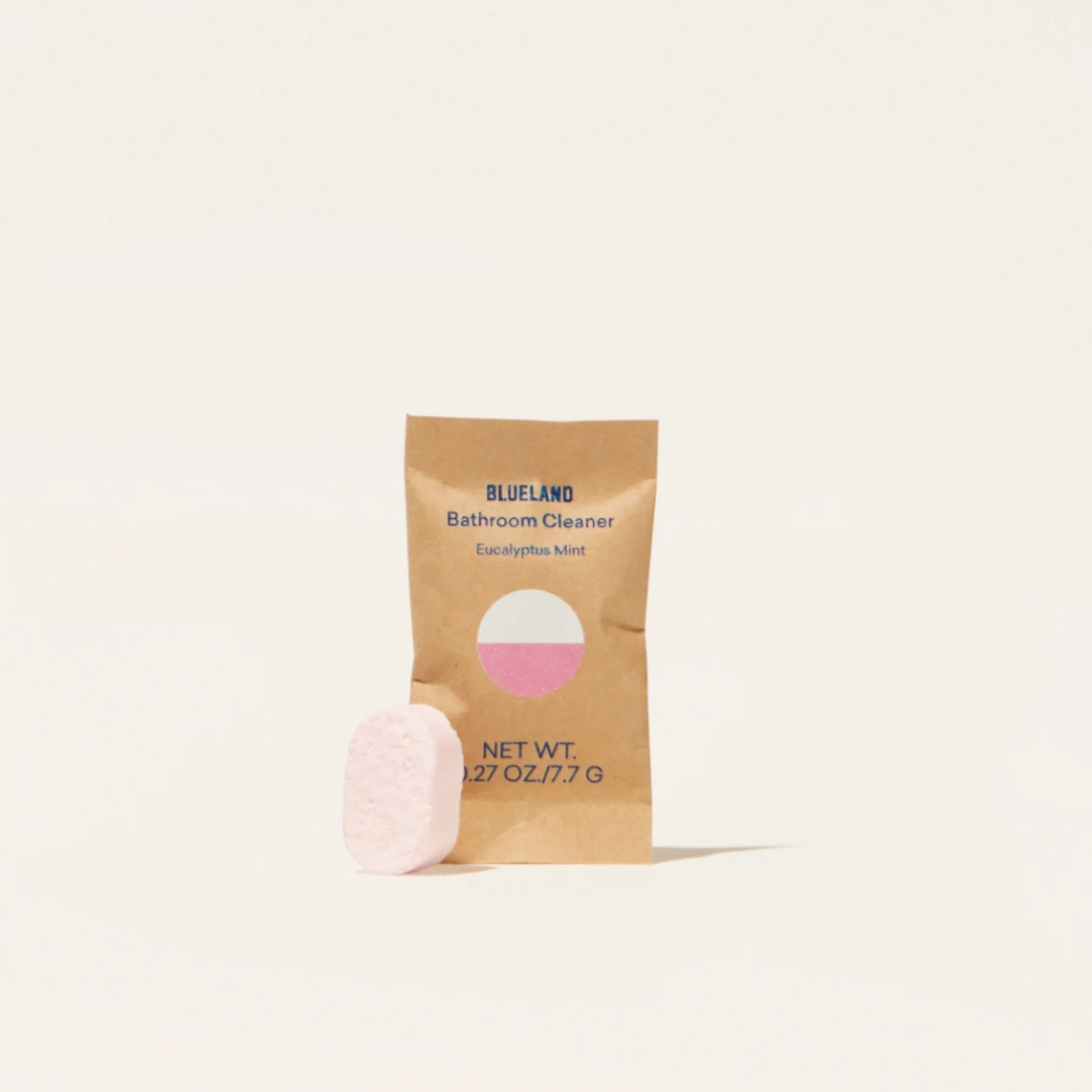
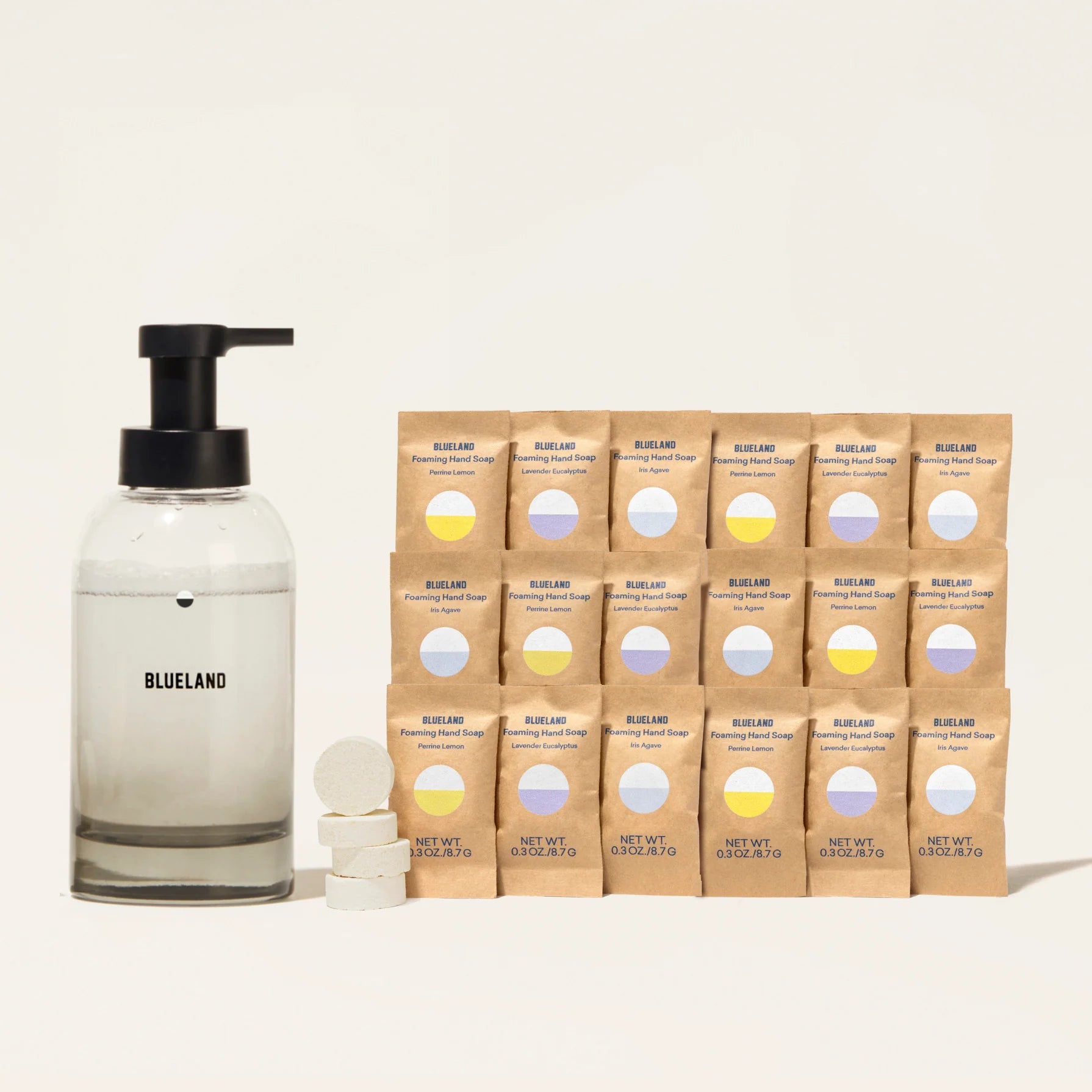
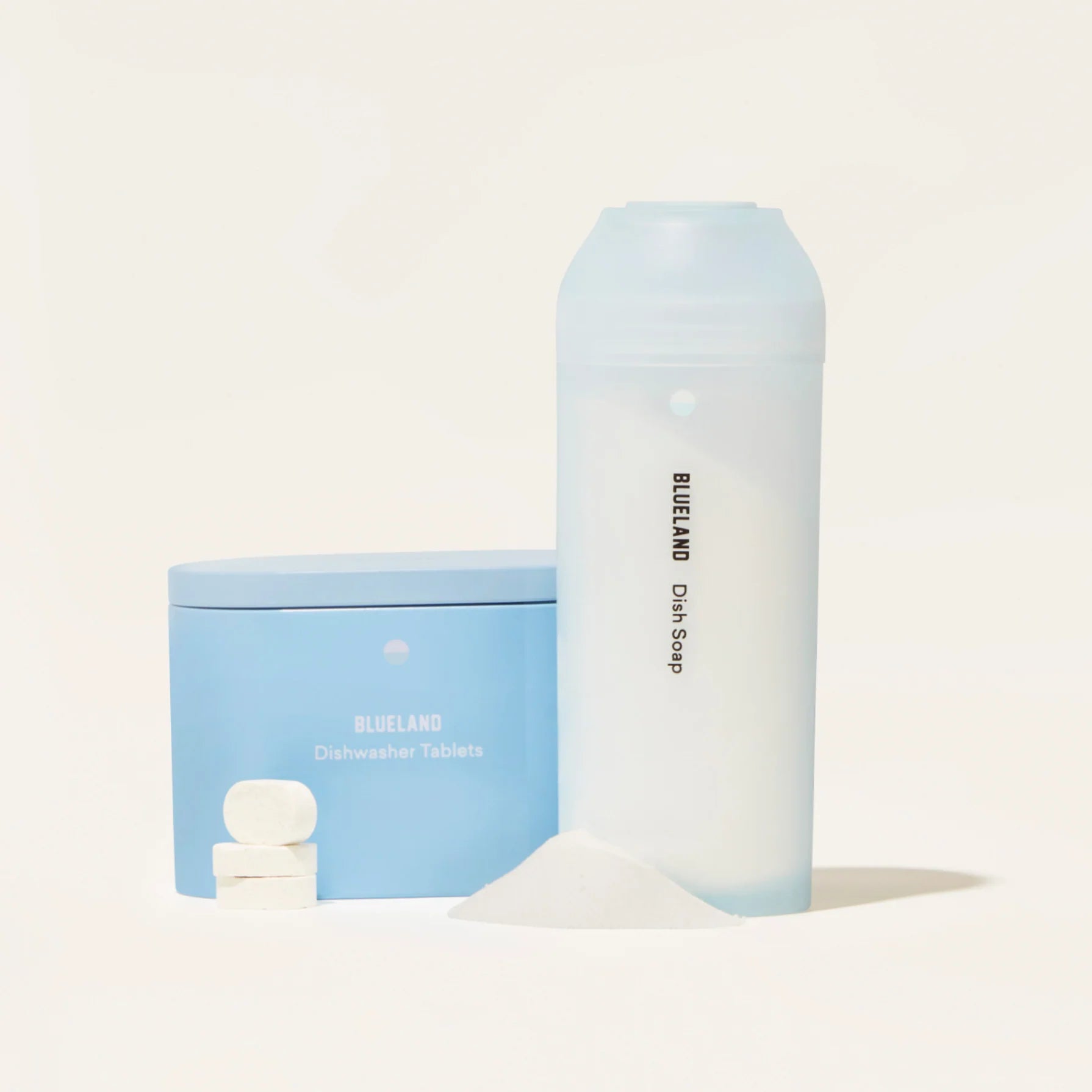
Dish soap tablets are solid, concentrated cleaning formulas that you dissolve in water before use. Unlike liquids that are pre-diluted and shipped in bulky bottles, tablets are compact, lightweight, and typically come in plastic-free or minimal packaging. Brands like Bluelandoutlet have popularized this format across their cleaning lineup. For example, the Hand Soap Tablet Refills follow a similar concept—just drop a tablet into a reusable pump bottle filled with water, and you’re ready to wash. The same principle applies to dish soap tablets: add water, shake, and use.
Liquid dish soap, on the other hand, has been the kitchen standard for decades. It’s ready-to-use straight from the bottle, comes in countless scents and formulations, and is widely available. But that convenience often comes at a cost—both monetary and environmental.
Performance Showdown: Tablets vs. Liquid
Let’s get to the heart of the matter: how well do they actually clean? We tested both formats on common kitchen challenges—greasy pans, baked-on cheese, and dried egg residue—and here’s what we found.
Grease-Cutting Power
Liquid dish soaps are formulated with surfactants that break down grease on contact. Most reputable brands do an excellent job, especially when paired with warm water and a bit of scrubbing. Dish soap tablets, because they are concentrated, can deliver a similar or even more potent cleaning punch once dissolved. The key is to follow the recommended water-to-tablet ratio. Too much water and you’ll dilute the formula; too little and you might get a sticky residue. When prepared correctly, tablet-based solutions cut through grease just as effectively as leading liquids.
Lather and Cleaning Experience
Many people associate a good clean with rich, foamy lather. Liquid dish soaps produce immediate, voluminous suds, especially if they contain foaming agents. Dish soap tablets tend to produce a moderate lather—adequate for cleaning, but not as thick or long-lasting. This can feel different if you’re used to sudsy water. However, lather is not necessarily a sign of cleaning power; many concentrated formulas clean without excessive foam. For those who prioritize functionality over foam, tablets are a solid choice.
Convenience and Ease of Use
Liquid dish soap wins for instant use: squeeze, scrub, rinse. No waiting, no mixing. But tablets offer a different kind of convenience. They are incredibly space-efficient—store a box of tablets under your sink instead of a bulky bottle. They also eliminate the need to recycle heavy plastic bottles. The trade-off is that you need to dissolve a tablet in water every time you run out, which takes about 30 seconds. If you have a reusable bottle, like the Hand Soap Pump (which works perfectly for liquid dish soap too), you can keep a pump by the sink for easy dispensing.
Cost Comparison: Tablets vs. Liquid Over Time
Let’s crunch the numbers. A typical 12-ounce bottle of liquid dish soap costs around $3–$5 and lasts roughly 150–200 washes, depending on usage. That works out to about 2–3 cents per wash. A box of 12 dish soap tablets might cost $8–$12, but each tablet produces a full bottle’s worth of liquid (typically 8–10 ounces). That means one tablet can replace an entire bottle of liquid soap. If you use one tablet per month, the cost per wash falls to roughly 1.5 cents. Over a year, tablets can save you $10–$20, especially if you buy in bulk or subscribe.
| Metric | Liquid Dish Soap | Dish Soap Tablets |
|---|---|---|
| Cost per wash | $0.02–$0.03 | $0.01–$0.02 |
| Plastic waste per use | 1 full bottle (10–12 oz) | 1 small paper or compostable wrapper |
| Shelf space needed | Medium (bottle) | Minimal (small box) |
| Preparation time | None | 30 seconds per refill |
Eco-Impact: The Sustainability Factor
This is where dish soap tablets truly shine. The global plastic problem is massive—over 8 million tons of plastic end up in the ocean each year, and many household cleaning bottles are single-use. Liquid dish soap contributes to this because each bottle is made of plastic, and even if you recycle, the process is energy-intensive. Tablets, by contrast, drastically reduce packaging. A box of tablets replaces up to 12 plastic bottles. Additionally, tablets are lighter to transport, which lowers carbon emissions during shipping. For eco-conscious consumers, this is a game-changer.
Water and Ingredients
Liquid dish soap is about 70–80% water. You are paying to ship water across the country. Tablets are dry and concentrated—you add the water at home. This means less water waste and fewer preservatives needed to keep the liquid stable. Many tablet brands also use plant-based, biodegradable ingredients that are gentler on aquatic life. Bluelandoutlet’s entire product line, including the Laundry Detergent Tablet Refills, follows this philosophy: effective cleaning without the environmental baggage.
Which One Should You Choose?
The answer depends on your priorities:
- Choose liquid dish soap if: You value instant use, don’t mind plastic bottles, and prefer rich lather. It’s also great for hand-washing delicate items where you need precise control over the amount of soap.
- Choose dish soap tablets if: You want to reduce plastic waste, save money over time, and streamline your cleaning storage. They are ideal for households committed to sustainability or for those with limited cabinet space.
If you’re still on the fence, consider a hybrid approach: use liquid soap for everyday dishes and keep tablets as a backup or for travel. But for most people, making the switch to tablets is a win-win for both the wallet and the planet.
Beyond Dish Soap: Expanding Your Zero-Waste Cleaning Kit
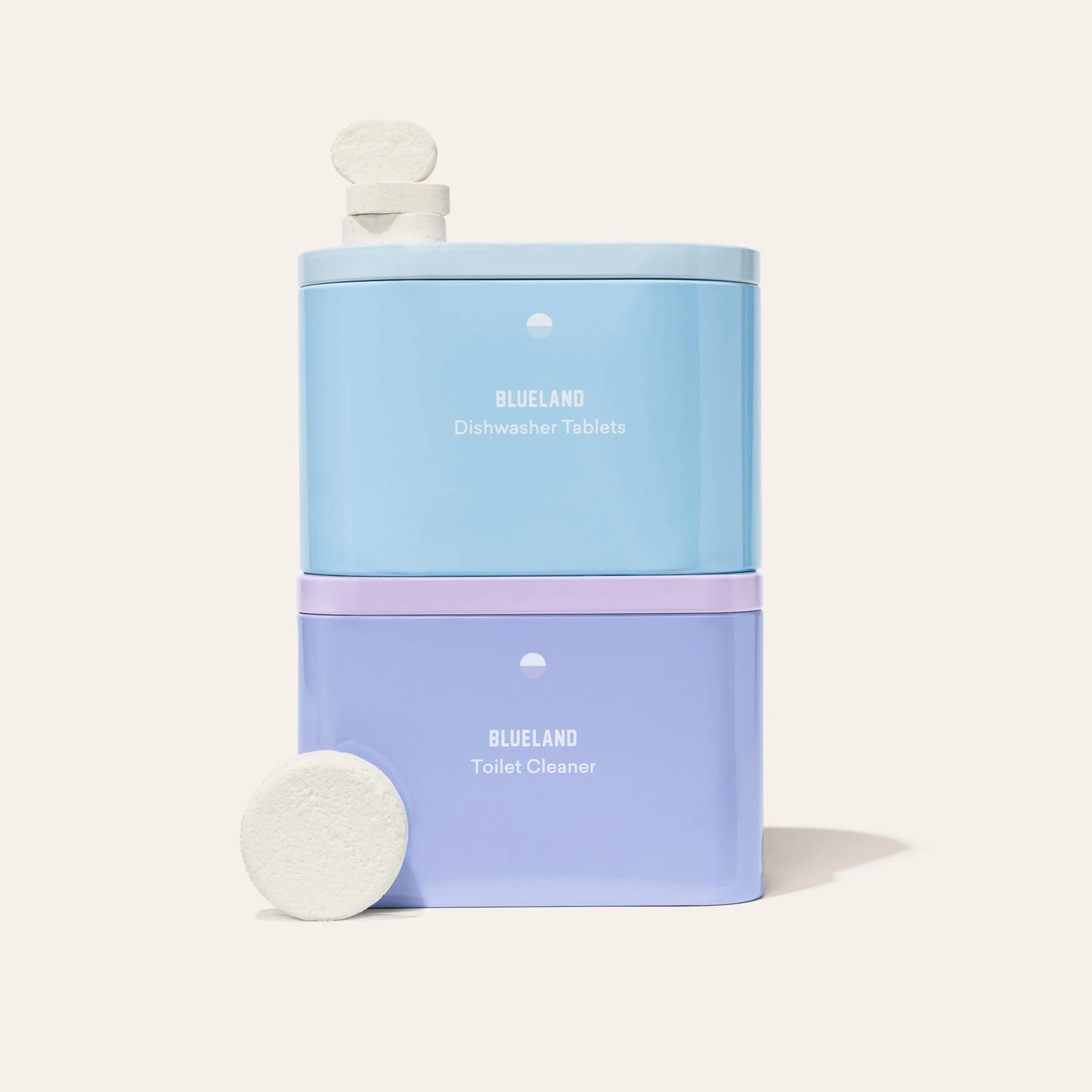
Once you start thinking about concentrated cleaning, the possibilities extend far beyond the sink. Bluelandoutlet offers a full range of tablet-based cleaners for the entire home. For instance, the Dishwasher Detergent Forever Tin replaces plastic dish pods with a reusable tin and refill tablets, saving dozens of plastic containers each year. Similarly, the Toilet Bowl Cleaner Starter Set lets you clean your toilet with a tablet dropped into a reusable bottle—no harsh chemicals, no plastic waste.
By adopting tablets for dish soap, laundry, hand soap, and more, you create a cohesive, sustainable cleaning system that’s simple to maintain and easy on the environment. The small upfront investment in a few reusable bottles pays off quickly in reduced waste and lower recurring costs.
Final Verdict
Dish soap tablets and liquid dish soap each have their strengths, but when you consider the full picture—performance, cost, convenience, and eco-impact—tablets offer a compelling advantage for the modern, environmentally aware household. They clean effectively, save money in the long run, and dramatically cut down on plastic waste. If you’re ready to make the switch, start with a reusable bottle and a box of tablet refills. Your kitchen will be cleaner, your wallet heavier, and the planet a little healthier.
Ready to upgrade your dishwashing routine? Explore the Hand Soap Tablet Refills and discover how easy it is to transition to concentrated, eco-friendly cleaning. Your kitchen—and the Earth—will thank you.