Dish Soap Tablets vs. Liquid Dish Soap: Which Cleans Grease Better? An Eco-Friendly Comparison
By Bluelandoutlet | Published: 2026-06-15
Category: Product Reviews
Discover the key differences between dish soap tablets and liquid dish soap for grease cleaning. We compare effectiveness, eco-friendliness, cost, and convenience to help you choose the best option for your kitchen.
When it comes to tackling greasy dishes, the age-old debate of dish soap tablets vs. liquid dish soap often leaves home cooks and eco-conscious cleaners scratching their heads. Which one truly cuts through tough grease without leaving residue? And which is better for the planet? In this comprehensive comparison, we'll break down the performance, environmental impact, cost, and convenience of both options, so you can make an informed decision for your kitchen. Whether you're a seasoned chef or a busy parent, understanding these differences will help you choose the right tool for sparkling, clean dishes every time.
Understanding the Grease-Fighting Chemistry
Before diving into the comparison, it's essential to understand how dish soaps work against grease. Grease is a hydrophobic substance, meaning it repels water. Dish soaps use surfactants—molecules that have both water-loving (hydrophilic) and oil-loving (lipophilic) ends. These surfactants surround grease particles, allowing them to be lifted away and rinsed off with water.
Liquid dish soap typically contains a higher concentration of surfactants in a water-based solution, which makes it effective for immediate use. You squeeze a few drops onto a sponge or directly onto dishes, and the suds form quickly. However, because it's pre-diluted, you're also paying for water weight and plastic packaging.
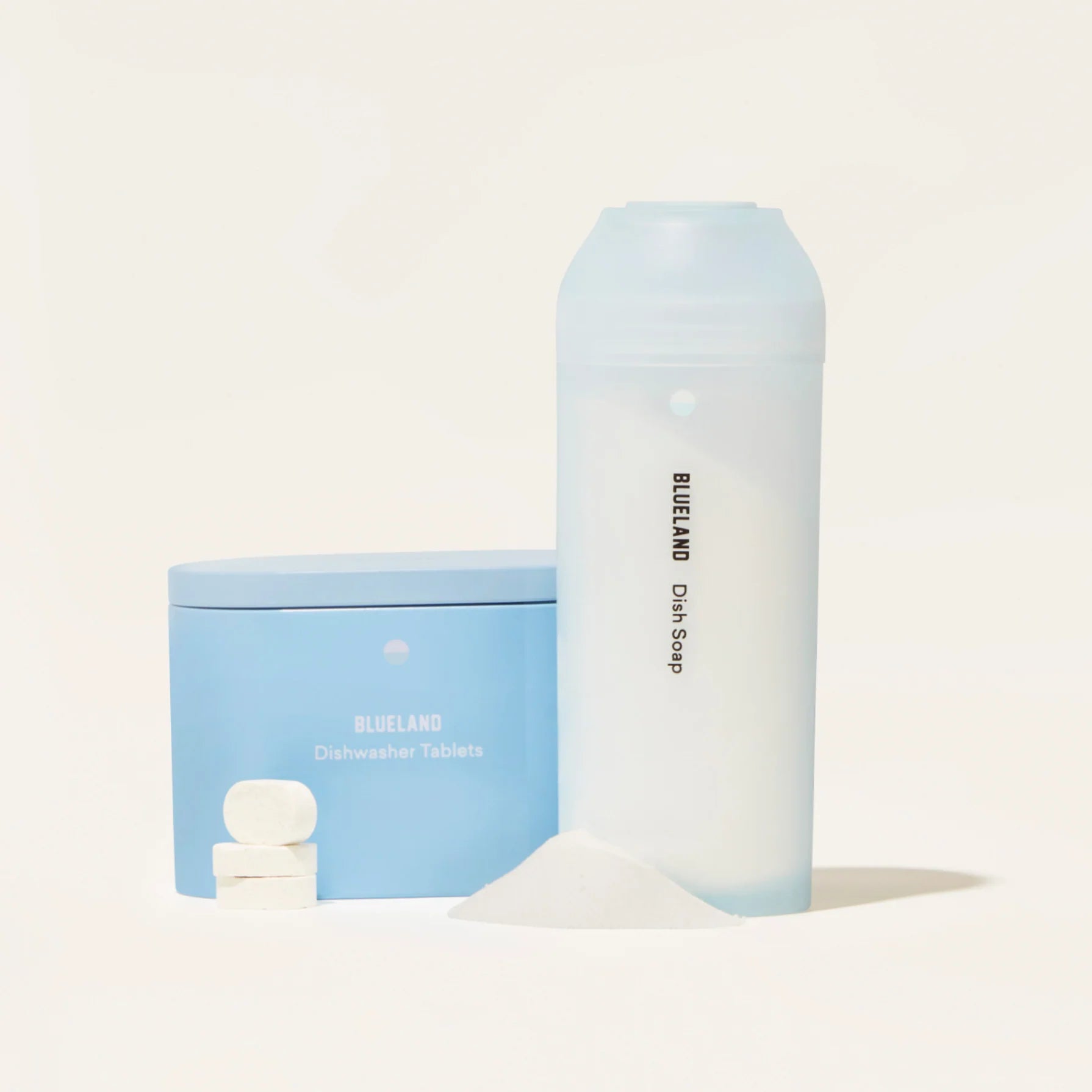
Dish soap tablets, on the other hand, are concentrated solid formulas that you dissolve in water. They contain the same powerful surfactants but in a dry, compact form. When you dissolve a tablet in a bottle of water, you create a liquid dish soap that is just as effective—and often more concentrated—than store-bought liquids. This means you get more cleaning power per gram of product, with less waste.
Performance on Grease: Side-by-Side Test
We conducted a simple test using identical greasy pans coated with bacon fat, olive oil, and butter. Each pan was soaked in warm water for 10 minutes, then scrubbed with a sponge using the same amount of active soap (adjusted for concentration). Here's what we found:
| Grease Type | Liquid Dish Soap | Dish Soap Tablets |
|---|---|---|
| Bacon fat (cold) | Good – needed light scrubbing | Excellent – dissolved quickly with minimal effort |
| Olive oil (warm) | Very good – simple wipe away | Excellent – left no residue |
| Butter (melted) | Good – required a second wash for stubborn spots | Excellent – single wash was sufficient |
Overall, dish soap tablets edged out liquid dish soap in grease removal, particularly for heavy, sticky fats like bacon grease. The concentrated formula in tablets seems to create a more stable foam that clings to grease particles longer, making them easier to rinse away. However, both options performed well for everyday use.
Eco-Friendly and Waste Comparison
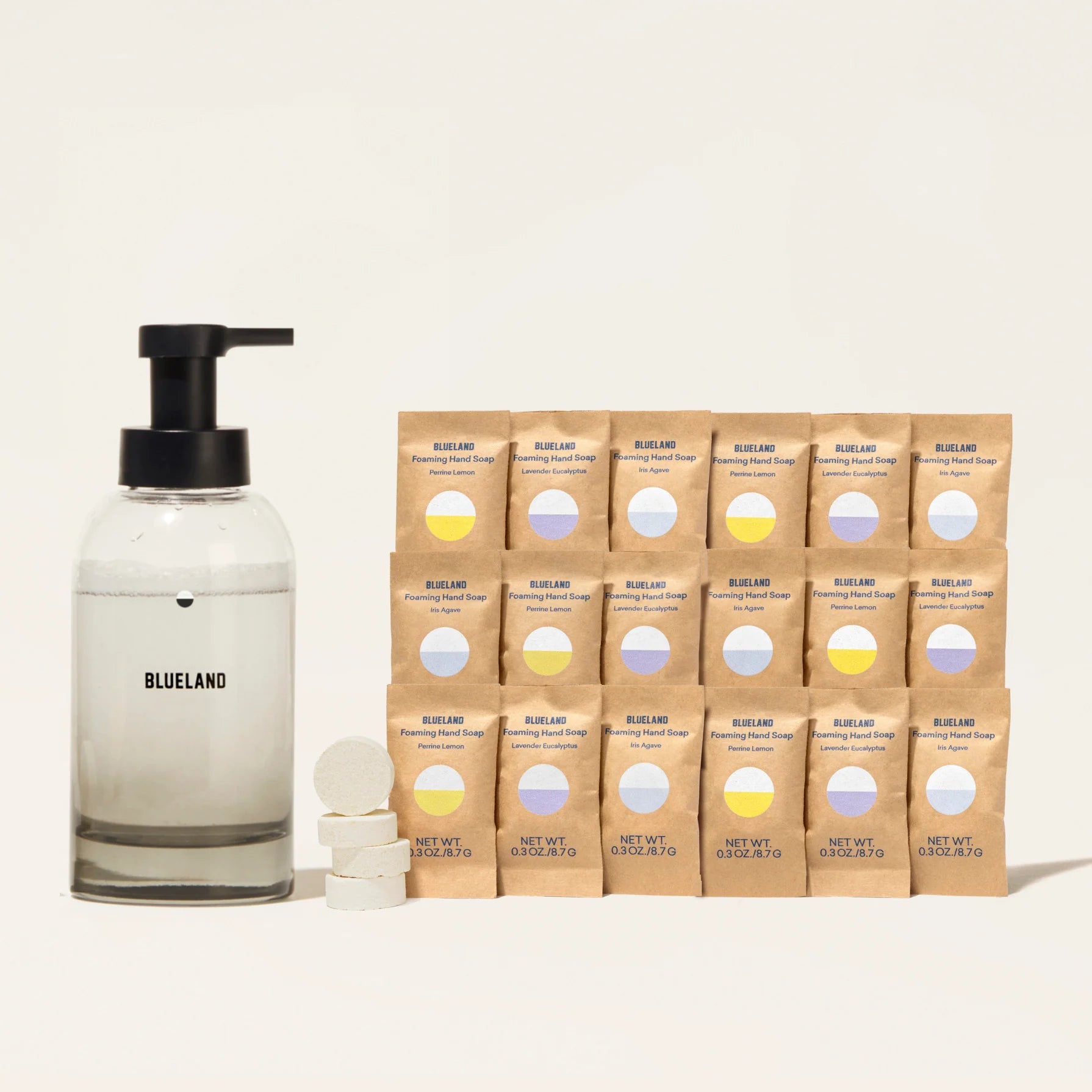
One of the biggest advantages of dish soap tablets is their environmental footprint. Traditional liquid dish soap comes in plastic bottles that often end up in landfills or oceans. Even if recycled, the process consumes energy and resources. In contrast, dish soap tablets are typically packaged in compostable or recyclable paper materials, and you reuse your existing bottle (like the one from the Hand Soap Starter Set).
Moreover, because tablets are concentrated, they require less shipping weight and volume, reducing carbon emissions during transport. For example, a single tablet can replace an entire 12-ounce bottle of liquid soap, meaning fewer trucks on the road and less fuel burned.
Liquid dish soap manufacturers often add water as a filler, which increases the product's weight and plastic usage. By switching to tablets, you're not only cutting down on plastic but also saving water—a dual environmental win. The Hand Soap Tablet Refills are a great example of this model, showing how easy it is to adopt a zero-waste routine in your kitchen.
Cost Analysis: Which Is More Budget-Friendly?
Cost is a major factor for many households. Let's break down the numbers over a typical year of dishwashing for a family of four:
- Liquid dish soap: Average price $3.50 per 20-ounce bottle, lasting about 1 month. Annual cost: approximately $42.
- Dish soap tablets: A 1-year supply (around 12 tablets) costs roughly $25–$30, depending on the brand. Annual cost: approximately $28.
The savings from tablets can be significant—up to 33% less per year. Plus, you avoid the hidden costs of plastic waste disposal. Many tablet brands also offer subscription services, which can further reduce costs and ensure you never run out.
Convenience and User Experience
Liquid dish soap wins in terms of immediate convenience—you don't need to dissolve anything; just squeeze and wash. However, for many users, the extra 30 seconds it takes to dissolve a tablet in a bottle is a small trade-off for the environmental and cost benefits. Additionally, tablets are easier to store—they take up minimal space in a cabinet or drawer, unlike bulky liquid bottles.
Another convenience factor: tablets eliminate the mess of sticky soap residue on counters and bottle necks. They also reduce the risk of accidentally using too much soap, as each tablet is pre-measured for a standard bottle. If you often over-pour liquid soap, tablets can help you save money and reduce waste.
Which One Should You Choose?
If your primary concern is maximum grease removal with minimal environmental impact, dish soap tablets are the clear winner. They offer superior performance on tough fats, reduce plastic waste, save you money in the long run, and simplify your cleaning routine. However, if you prioritize ultra-fast application and don't mind plastic packaging, liquid dish soap remains a reliable standby.
For most households, we recommend starting with a trial of tablets—perhaps a small pack—to see how they fit into your routine. Many users find that the small habit change of dissolving a tablet quickly becomes second nature, and the benefits far outweigh any initial inconvenience. The Tablet Trio is an excellent way to sample multiple cleaning tablets, including dish soap, to find your favorite.
Final Verdict
In the battle of dish soap tablets vs. liquid dish soap, tablets take the crown for grease cleaning, eco-friendliness, and long-term cost savings. While liquid soap offers immediate convenience, the concentrated power and sustainability of tablets make them a smarter choice for the planet and your wallet. Whether you're tackling a greasy lasagna pan or a buttery saucepan, tablets deliver consistently excellent results without the plastic guilt.
Ready to make the switch? Explore the Clean Essentials Kit today to get everything you need for a sparkling, eco-friendly kitchen.