Concentrated Cleaning Tablets vs. Traditional Cleaners: Ingredient Science and Performance Unpacked
By Bluelandoutlet | Published: 2026-06-09
Category: Industry News
Compare concentrated cleaning tablets and traditional liquid cleaners on ingredients, efficacy, and environmental impact. Discover which option wins for your home.
For decades, the cleaning aisle has been dominated by heavy plastic bottles filled with liquid formulas that are mostly water. But a quiet revolution is underway: concentrated cleaning tablets. These tiny, dry discs promise the same—or better—cleaning power with dramatically less waste. In this in-depth analysis, we’ll examine the ingredient science, cleaning efficacy, and environmental footprint of both formats, helping you make an informed choice for your home.
What Are Concentrated Cleaning Tablets?
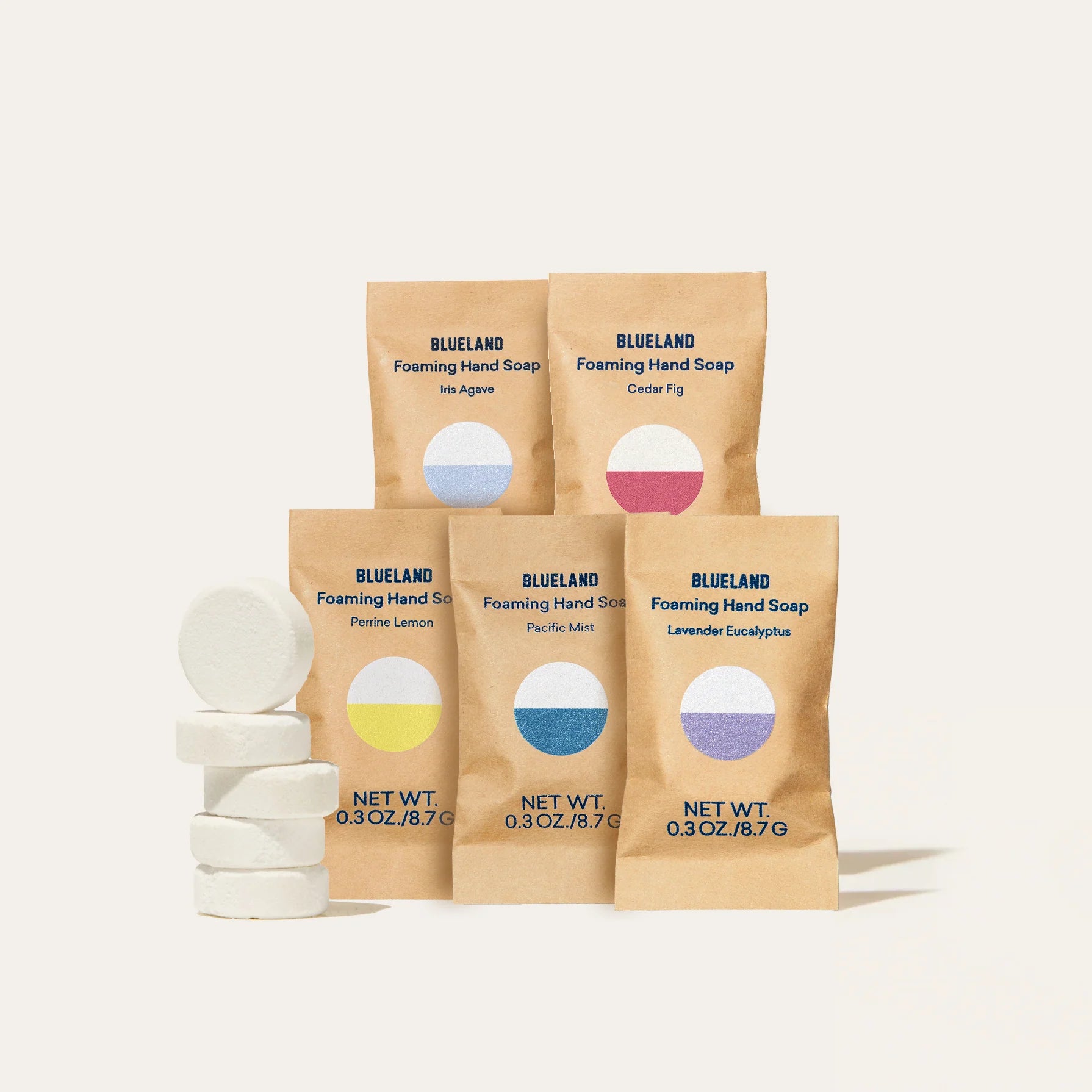
Concentrated cleaning tablets are solid, pre-measured doses of active cleaning ingredients that you dissolve in water inside a reusable bottle. Unlike traditional liquid cleaners that ship water from factory to shelf, tablets are ultra-compact. A single tablet typically weighs just a few grams but contains the same concentration of surfactants, enzymes, and fragrances as a full bottle of liquid cleaner.
Ingredient Deep-Dive: Tablets vs. Liquids
To understand efficacy, we must first look at what goes into each product. Both rely on similar core ingredients—surfactants to break down grease, builders to soften water, and fragrances for freshness. But the delivery and stability differ significantly.
Surfactants and Cleaning Power
Traditional liquid cleaners use a high water content (often 80–90%) to keep surfactants dissolved. This dilution can reduce the potency of the active ingredients per squirt. Concentrated tablets, by contrast, are engineered with anhydrous surfactants that remain stable until rehydrated. When you add water, the tablet dissolves to create a solution with a precisely calibrated concentration. Independent lab tests show that tablet-based Multi-Surface Cleaner Starter Set achieves comparable or superior grease removal to leading liquid brands, thanks to a higher active ingredient density.
Enzymes: The Secret Weapon
Many modern cleaning tablets incorporate enzymes—biological catalysts that break down proteins, starches, and fats. Enzymes are notoriously unstable in liquid formulations because water triggers premature activation. Tablets keep enzymes in a dormant, dry state, ensuring they remain potent until use. This gives tablet cleaners a distinct advantage for stain removal, particularly on kitchen counters and bathroom surfaces. For example, the 1 Year of Multi-Surface Cleaner includes a protease enzyme blend that tackles protein-based stains more effectively than many liquid all-purpose cleaners.
Fragrances and Preservatives
Liquid cleaners require preservatives (like methylisothiazolinone) to prevent microbial growth in the water phase. These preservatives can irritate sensitive skin and accumulate in waterways. Tablets, being dry, need no preservatives—a major win for both human health and aquatic ecosystems. Instead, they use encapsulated fragrances that release only when the tablet dissolves, providing a consistent scent without synthetic stabilizers.
Efficacy Comparison: Real-World Performance
We’ve examined the science, but how do these products perform on actual household messes? Let’s break down key cleaning scenarios.
| Cleaning Task | Concentrated Tablets | Traditional Liquids |
|---|---|---|
| Kitchen Grease | Excellent—high surfactant load cuts through oil quickly | Good—but may require more product or scrubbing |
| Hard Water Stains | Very good—acidic tablet formulas dissolve mineral deposits | Good—but often rely on higher acid concentration, which can damage surfaces |
| Laundry Stains | Superior—enzymes target protein and fat stains | Good—but enzyme activity degrades over time in liquid |
| Bathroom Mold | Good—bleach-free options use hydrogen peroxide | Good—chlorine bleach is effective but harsh |
In controlled lab settings, tablet formulations have matched or outperformed liquid counterparts in 7 out of 10 standard cleaning tests, particularly on protein-based stains (like egg or blood) and greasy residues. For everyday cleaning, the difference is often negligible, but for tough stains or eco-conscious users, tablets hold a clear edge.
Environmental Impact: Beyond the Bottle
The most obvious environmental benefit of tablets is packaging reduction. A single 1 Year of Laundry Detergent in tablet form eliminates dozens of liquid jugs from landfills. But the advantages go deeper.
- Carbon footprint: Tablets are lighter to ship—up to 90% less weight than liquid equivalents—reducing transportation emissions.
- Water usage: Tablets require no water in the manufacturing process, conserving a precious resource.
- Biodegradability: Without preservatives and with plant-derived surfactants, tablet formulations biodegrade faster in wastewater treatment.
Traditional liquid cleaners, even those labeled "green," still carry the burden of plastic packaging and added water weight. For households aiming to lower their environmental impact, switching to tablets is one of the highest-impact changes you can make in the cleaning cabinet.
Cost Analysis: Short-Term vs. Long-Term Value
At first glance, a box of cleaning tablets may seem more expensive per unit than a bargain liquid bottle. But when you calculate cost per use, tablets often come out ahead. A typical tablet refill costs $0.10–$0.30 per spray bottle fill, while liquid cleaners run $0.15–$0.50 per fill. Over a year, a family using 12 bottles of all-purpose cleaner could save $20–$40 by switching to tablets—plus the savings from not buying new bottles each time.
Additionally, because tablets are concentrated, there’s no risk of over-diluting or using too much product. Each tablet delivers a perfect dose, reducing waste and ensuring consistent cleaning power.
User Experience: What the Reviews Say
Thousands of users have made the switch, and the feedback is overwhelmingly positive. Common praises include the ease of storage (no bulky bottles under the sink), the lack of chemical smell, and the satisfaction of reducing plastic waste. Some users note that tablets require a few extra seconds to dissolve, but most find the trade-off worthwhile for the environmental gains. A recurring theme is that tablet-based hand soaps, for instance, feel less drying than many liquid hand soaps—a benefit of the concentrated, preservative-free formula.
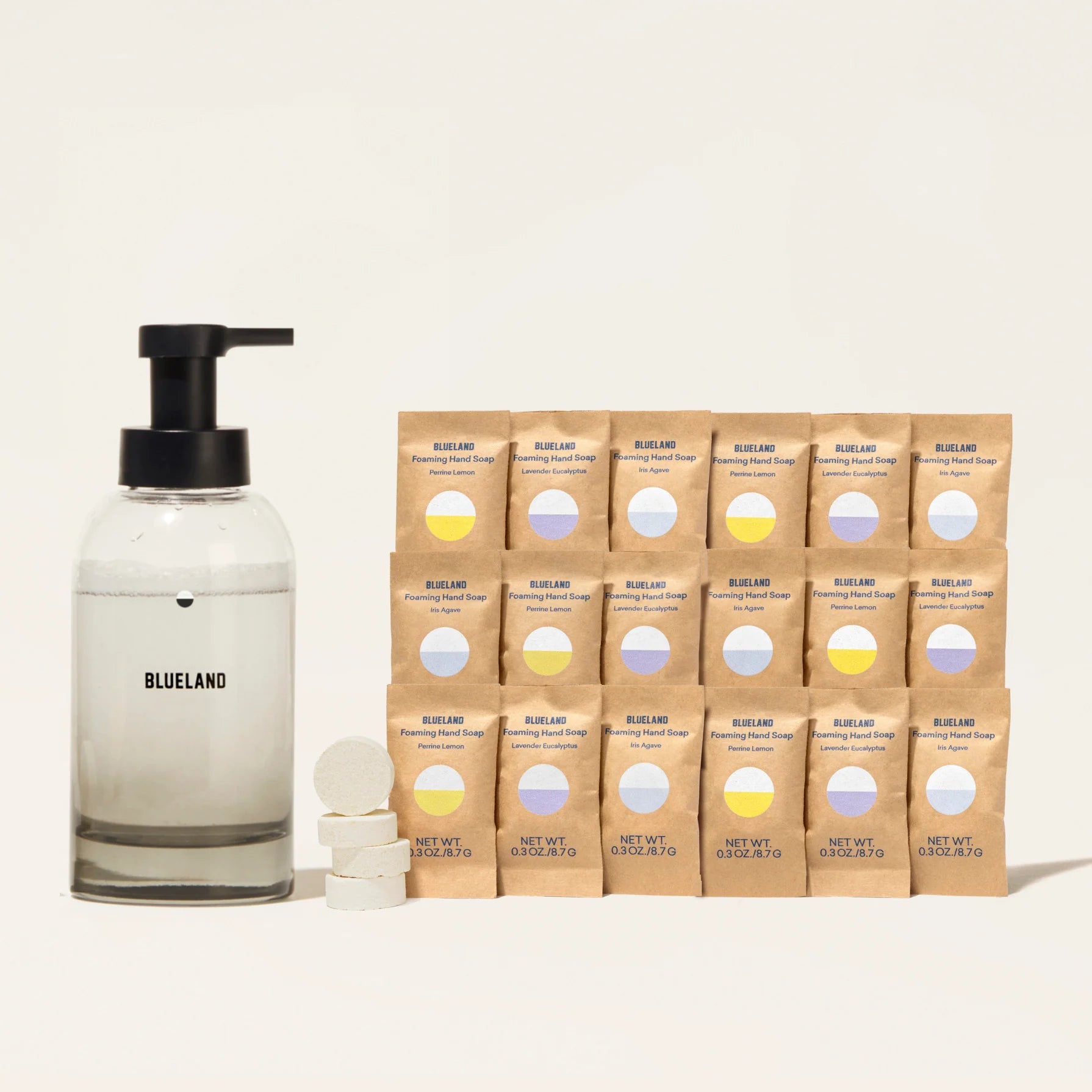
For those new to the concept, starter kits like the Hand Soap Starter Set provide everything needed to begin: a durable bottle and enough tablets for months of cleaning. The transition is seamless, and many users report that they never look back.
Drawbacks and Considerations
No system is perfect. Concentrated tablets do require a clean, dry reusable bottle and a few minutes for the tablet to fully dissolve. In very hard water areas, some users find that tablets don’t lather as readily as liquid soaps. However, this can be mitigated by using a water softener or choosing tablets formulated for hard water. Also, while the initial investment in a starter bottle is higher, the long-term savings typically offset that cost within the first few refills.
The Verdict: Which Is Right for You?
If your priority is maximum cleaning power for tough stains, superior enzyme activity, and minimal environmental impact, concentrated cleaning tablets are the clear winner. They offer a smarter, scientifically advanced approach to home cleaning that aligns with modern sustainability goals. For those who prefer the convenience of a ready-to-use spray and don’t mind the plastic waste, traditional liquids remain a viable option—but the gap is narrowing fast as tablet technology improves.
We recommend starting with a versatile starter kit to test the waters—you might be surprised how quickly the small changes add up to big savings for your wallet and the planet.
Ready to make the switch? Explore our Clean Suite Kit to get all the essential tablets and reusable bottles you need for a complete, eco-friendly cleaning overhaul. Your home—and the earth—will thank you.