The Complete Guide to Cleaning Your Home with Reusable Cloths: Eco-Friendly Tips & Best Practices
By Bluelandoutlet | Published: 2026-05-28
Category: How-to Guides
Discover the ultimate guide to reusable cleaning cloths, including microfiber vs. cloud cloth, washable options, and eco-friendly tips. Learn how to save money and reduce waste with sustainable cloths for every room.
Cleaning your home is a regular chore, but the tools you use can make a huge difference in effectiveness, cost, and environmental impact. Reusable cleaning cloths are a game-changer for anyone looking to reduce waste, save money, and achieve a streak-free shine without harsh chemicals. Whether you're tackling kitchen grease, bathroom grime, or delicate glass surfaces, the right cloth can transform your routine. In this guide, we'll explore everything you need to know about reusable cleaning cloths, including types like microfiber vs. cloud cloth, best practices for washing, and how to pair them with eco-friendly cleaning solutions for maximum results.
Why Switch to Reusable Cleaning Cloths?
Single-use paper towels contribute to millions of tons of landfill waste annually. Reusable cloths, on the other hand, can be washed hundreds of times, drastically reducing your household's carbon footprint. They are also more cost-effective over time: a pack of quality cloths may cost a bit upfront, but you'll save money by not constantly buying disposable sheets. Additionally, reusable cloths often perform better—they trap dust, absorb spills, and polish surfaces more effectively than paper. For eco-conscious homeowners, making the switch is a simple yet impactful step toward sustainability.
Types of Reusable Cleaning Cloths: Microfiber vs. Cloud Cloth vs. Natural Fibers
Not all reusable cloths are created equal. Understanding the different materials helps you choose the right tool for each task.
Microfiber Cloths
Microfiber cloths are made from ultra-fine synthetic fibers (typically polyester and polyamide) that create a static charge to attract dust and dirt. They are highly absorbent and can hold up to seven times their weight in water. Microfiber is excellent for general cleaning, dusting, and wiping down countertops. However, they require careful washing—avoid fabric softeners and high heat—to maintain their effectiveness. Use a dedicated microfiber cloth for glass to prevent lint or streaks.
Cloud Cloth (or Lin-Free Cloths)
Cloud cloths are ultra-soft, lint-free, and designed specifically for delicate surfaces like glass, mirrors, and stainless steel. They are often made from a blend of microfiber or a specialized non-woven material that won't scratch. For example, when cleaning your mirrors with the Glass + Mirror Cleaner Starter Set, a cloud cloth will ensure a streak-free finish without leaving fibers behind. This type of cloth is also ideal for polishing electronics or car interiors.
Natural Fiber Cloths (Cotton, Bamboo, Hemp)
Cotton cloths (like flour sack towels) are versatile and machine-washable. They are great for drying dishes, general wiping, and absorbing spills. Bamboo cloths are naturally antimicrobial and biodegradable, making them a top eco-choice. Hemp cloths are durable and become softer with each wash. Natural fibers are less effective at trapping fine dust compared to microfiber, but they are perfect for wet cleaning and scrubbing.
How to Choose the Right Reusable Cloth for Each Room
Matching cloth type to cleaning task maximizes efficiency and protects surfaces. Here's a room-by-room breakdown.
Kitchen
The kitchen sees grease, food residue, and frequent spills. Use a microfiber cloth for wiping counters, stovetops, and sinks. For greasy surfaces, dampen the cloth slightly with water or a gentle cleaner. Avoid using the same cloth on raw meat areas to prevent cross-contamination. For drying glassware or stainless steel appliances, switch to a cloud cloth. Pair your cloths with a concentrated cleaner like those from the Cleaning Companions set for a powerful, eco-friendly clean.
Bathroom
Bathrooms require cloths that can handle moisture, soap scum, and bacteria. Microfiber works well on tiles and mirrors. For toilet cleaning, use a dedicated cloth (preferably a different color) and wash it separately. Natural fiber cloths are good for wiping down sinks and countertops. To maintain hygiene, wash bathroom cloths in hot water with a disinfectant.
Living Room & Bedrooms
Dusting is best done with a dry microfiber cloth that traps particles rather than spreading them. For electronics screens, use a cloud cloth to avoid scratches. For delicate furniture, a soft cotton cloth prevents damage. Wash cloths used for dusting separately from kitchen cloths to avoid transferring oils.
Microfiber vs. Cloud Cloth: Which Is Better for Glass and Mirrors?
When it comes to achieving streak-free glass, the debate often comes down to microfiber vs. cloud cloth. Microfiber cloths are great for general cleaning, but even high-quality ones can sometimes leave tiny lint particles on glass. Cloud cloths, by contrast, are engineered to be completely lint-free and are the top choice for mirrors and windows. If you're using the Glass + Mirror Cleaner Tablet Refills, a cloud cloth will help activate the cleaning solution evenly and leave a brilliant shine. For everyday dusting, microfiber is fine, but for final polishing, cloud cloth wins.
How to Wash and Care for Reusable Cleaning Cloths
Proper care extends the life of your cloths and maintains their performance. Follow these tips:
- Separate by use: Wash kitchen cloths separately from bathroom cloths to avoid cross-contamination.
- Avoid fabric softeners: Softeners coat fibers and reduce absorbency, especially for microfiber.
- Use warm or hot water: Hot water kills bacteria. For microfiber, avoid water above 140°F to prevent damage.
- Air dry or tumble dry low: High heat can melt synthetic fibers. Air drying is best for longevity.
- Bleach sparingly: Use oxygen bleach for white cloths; chlorine bleach can weaken fibers over time.
Replace cloths when they become frayed, smelly, or less absorbent—usually after 6-12 months of regular use.
Eco-Friendly Cleaning with Reusable Cloths and Tablet Refills
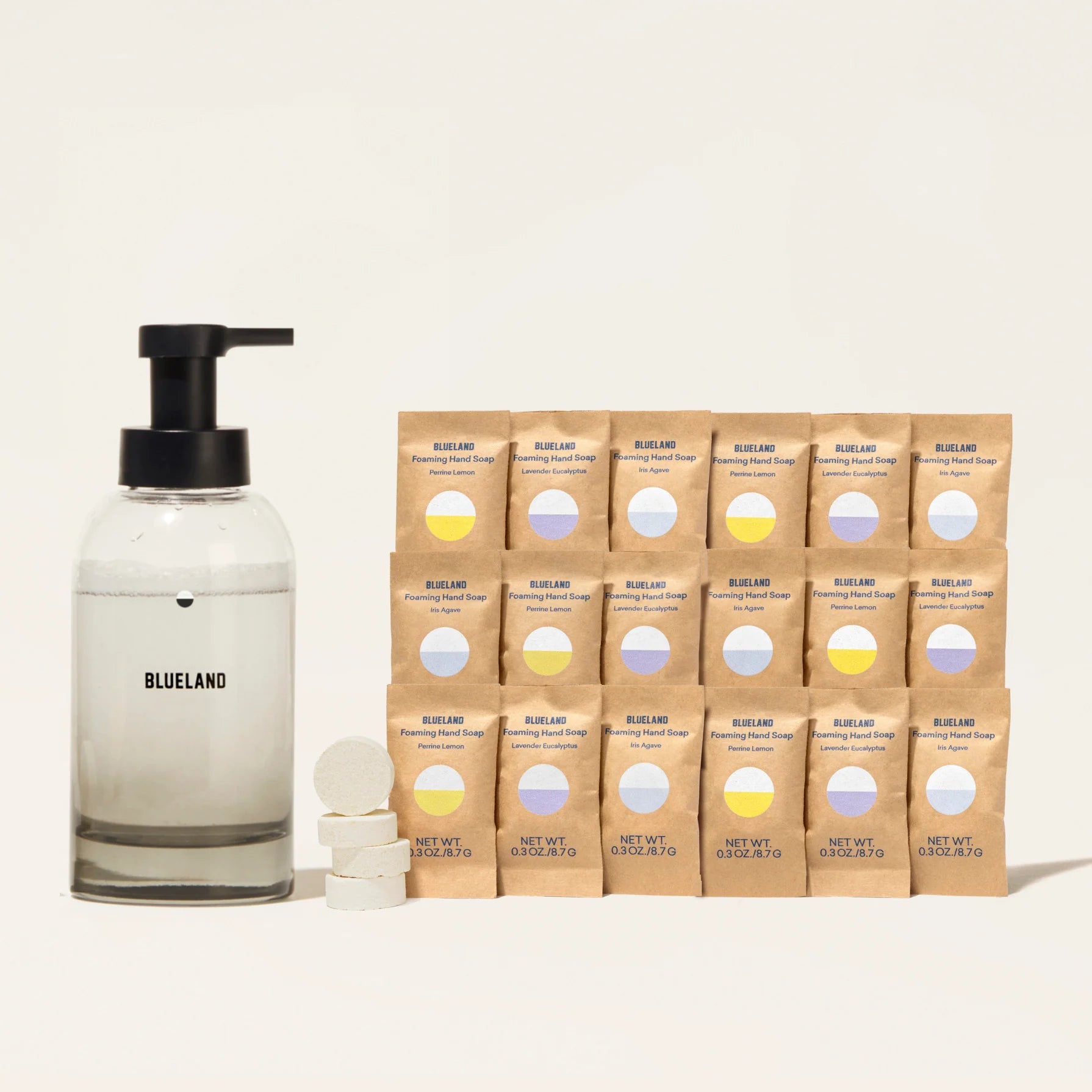
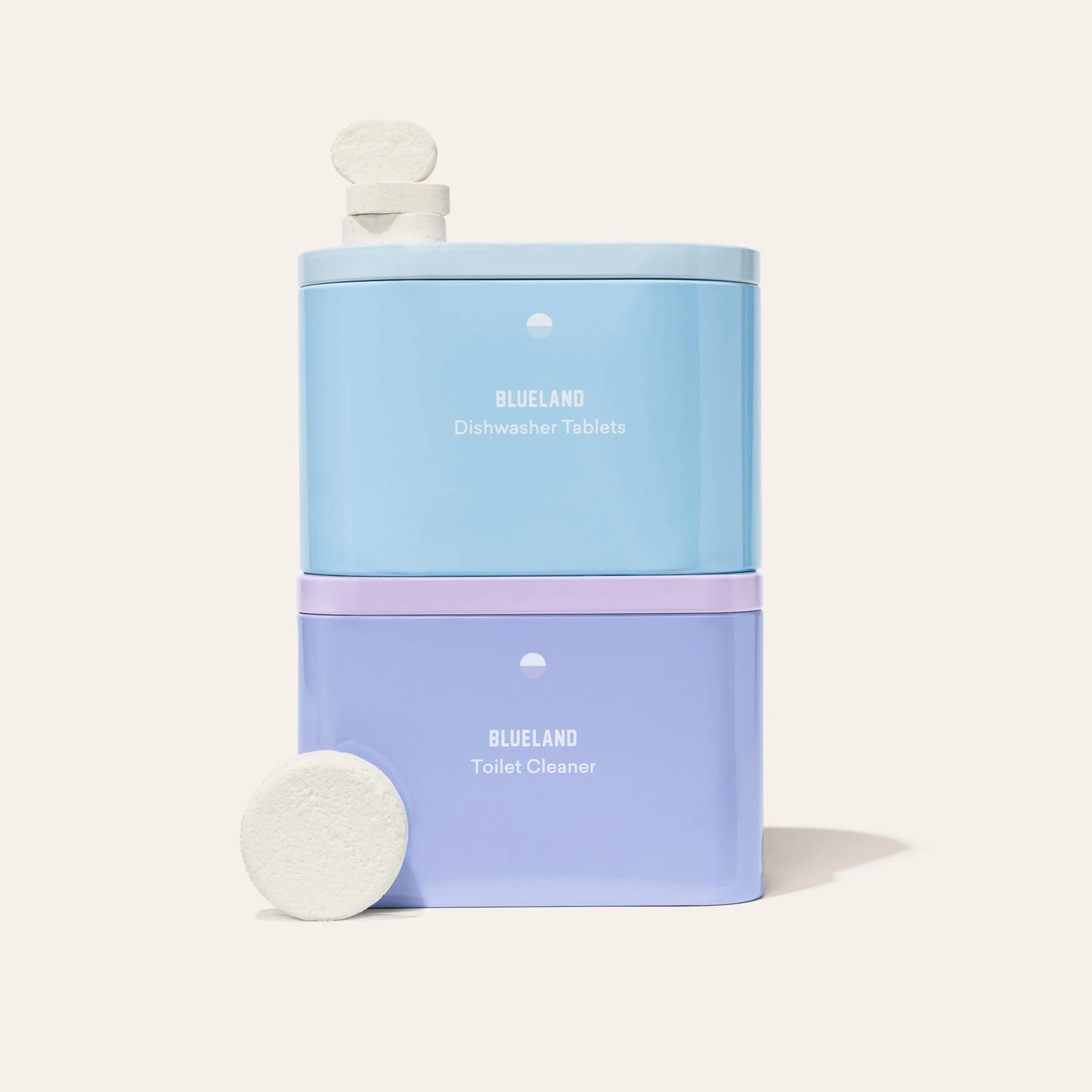
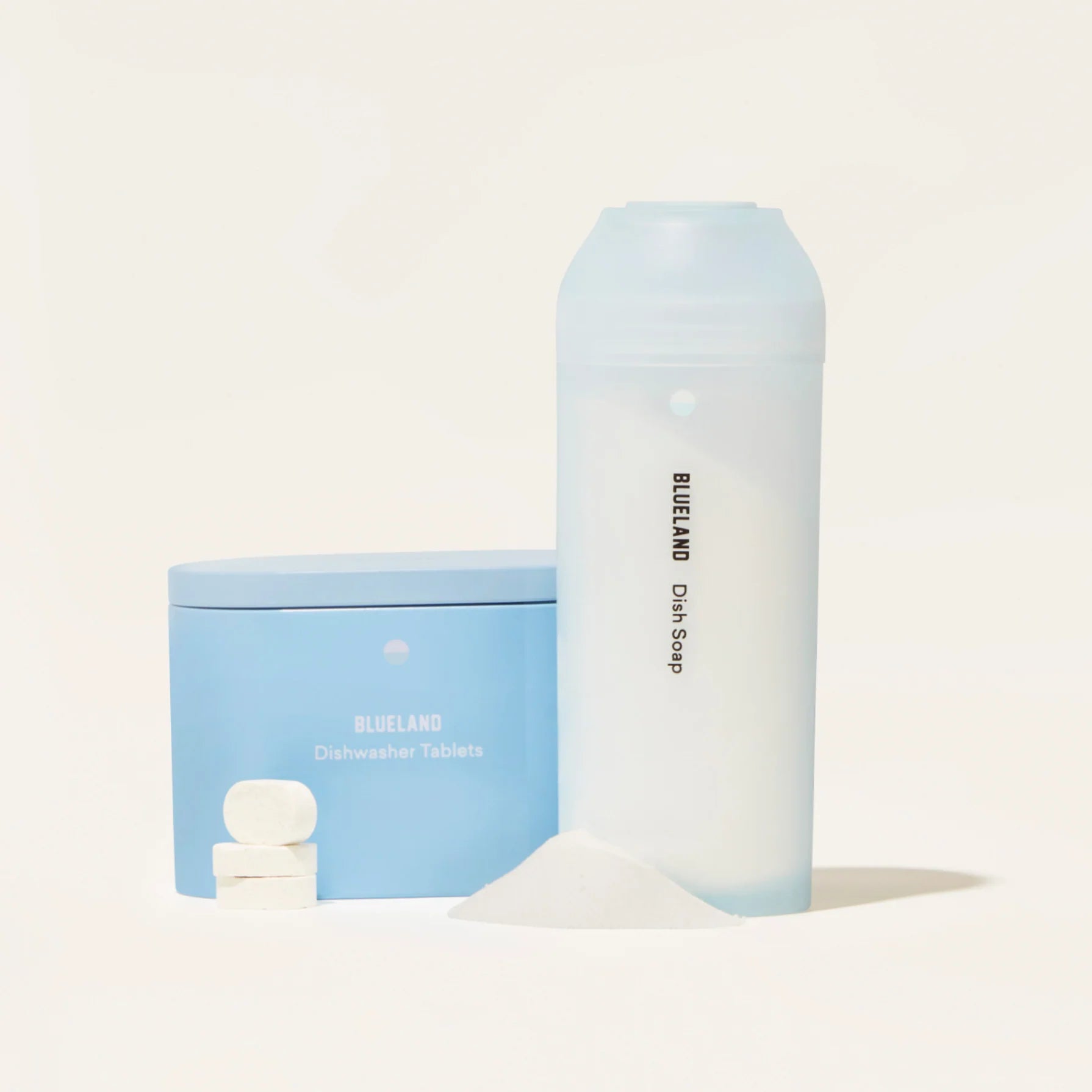
Reusable cloths pair perfectly with concentrated cleaning tablets and refills, creating a zero-waste cleaning system. Instead of buying single-use spray bottles, you can mix a tablet with water in a reusable spray bottle (like the Spray Cleaner Forever Bottle) and use your cloths to apply it. This combination reduces plastic waste and chemical exposure. For hand washing, the Hand Soap Duo offers a plastic-free soap solution that works beautifully with a cotton or bamboo cloth for quick wipe-downs. By integrating cloths with tablet refills, you create a truly sustainable cleaning routine.
Common Mistakes to Avoid with Reusable Cloths
Even the best cloths can underperform if not used correctly. Avoid these pitfalls:
- Using dirty cloths: Cloths should be washed after each use, especially if used for greasy or germy areas.
- Mixing cloth types improperly: Don't use a rough cloth on delicate surfaces, or a linty cloth on glass.
- Overloading the washing machine: Too many cloths can trap dirt and reduce cleaning effectiveness.
- Not labeling cloths: Use different colors or patterns for different rooms to avoid cross-contamination.
Final Tips for a Sustainable Cleaning Routine
To get the most out of your reusable cloths, build a system: designate cloths for specific tasks (e.g., green for kitchen, blue for bathroom, white for glass). Rotate them regularly and wash in bulk to save water. Combine with natural cleaning solutions like vinegar or baking soda for an even greener approach. Remember, the key to long-lasting cloths is gentle care—avoid high heat and harsh chemicals.
Ready to upgrade your cleaning routine? Explore our collection of reusable cloths and eco-friendly refills at Bluelandoutlet. Start with the Glass + Mirror Cleaner Starter Set for a streak-free shine that's kind to your home and the planet.