The Best Scrub Sponges for Your Home: Types, Uses, and Eco-Friendly Options
By Bluelandoutlet | Published: 2026-05-29
Category: Product Reviews
Discover the best scrub sponges for every cleaning task—from non-scratch options to eco-friendly sponges—and learn how to pair them with tablet refills for a zero-waste routine.
Choosing the right scrub sponge can transform your cleaning routine. Whether you’re tackling baked-on grease in the kitchen, scrubbing soap scum in the bathroom, or polishing delicate glassware, the type of sponge you use matters. In this guide, we’ll explore the most common sponge types, their best uses, and how to select eco-friendly sponges that reduce waste—all while integrating seamlessly with your tablet refill cleaning system from Bluelandoutlet.
Why the Right Scrub Sponge Makes a Difference
A great sponge does more than just hold soap—it protects your surfaces, extends the life of your cookware, and can even help you use less cleaning product. Using a sponge that’s too abrasive on non-stick pans or delicate countertops can cause scratches and damage. Conversely, a too-soft sponge might not remove stubborn grime efficiently. The key is matching the sponge’s texture and material to the job at hand.
Common Sponge Materials and Their Characteristics
- Cellulose sponges: Made from wood fibers, these are highly absorbent and biodegradable. Ideal for general wiping and gentle cleaning.
- Polyurethane foam sponges: Durable and quick-drying, but not biodegradable. Often have a scrubby side for tough messes.
- Natural sea sponges: Soft, highly absorbent, and naturally antimicrobial. Best for gentle cleaning like washing dishes or bathing.
- Silicone sponges: Non-porous, odor-resistant, and last for years. Great for cleaning but don’t lather well.
- Scrub pads (with or without handles): Often made from nylon or polyester. Use for heavy-duty scrubbing on stovetops, ovens, and grills.
The Best Eco-Friendly Sponges for a Zero-Waste Kitchen
If you’re building a zero-waste cleaning kit (as we discussed in a recent article), swapping out traditional plastic sponges for compostable or reusable alternatives is a smart step. Here are top eco-friendly options:
1. Compostable Cellulose Sponges
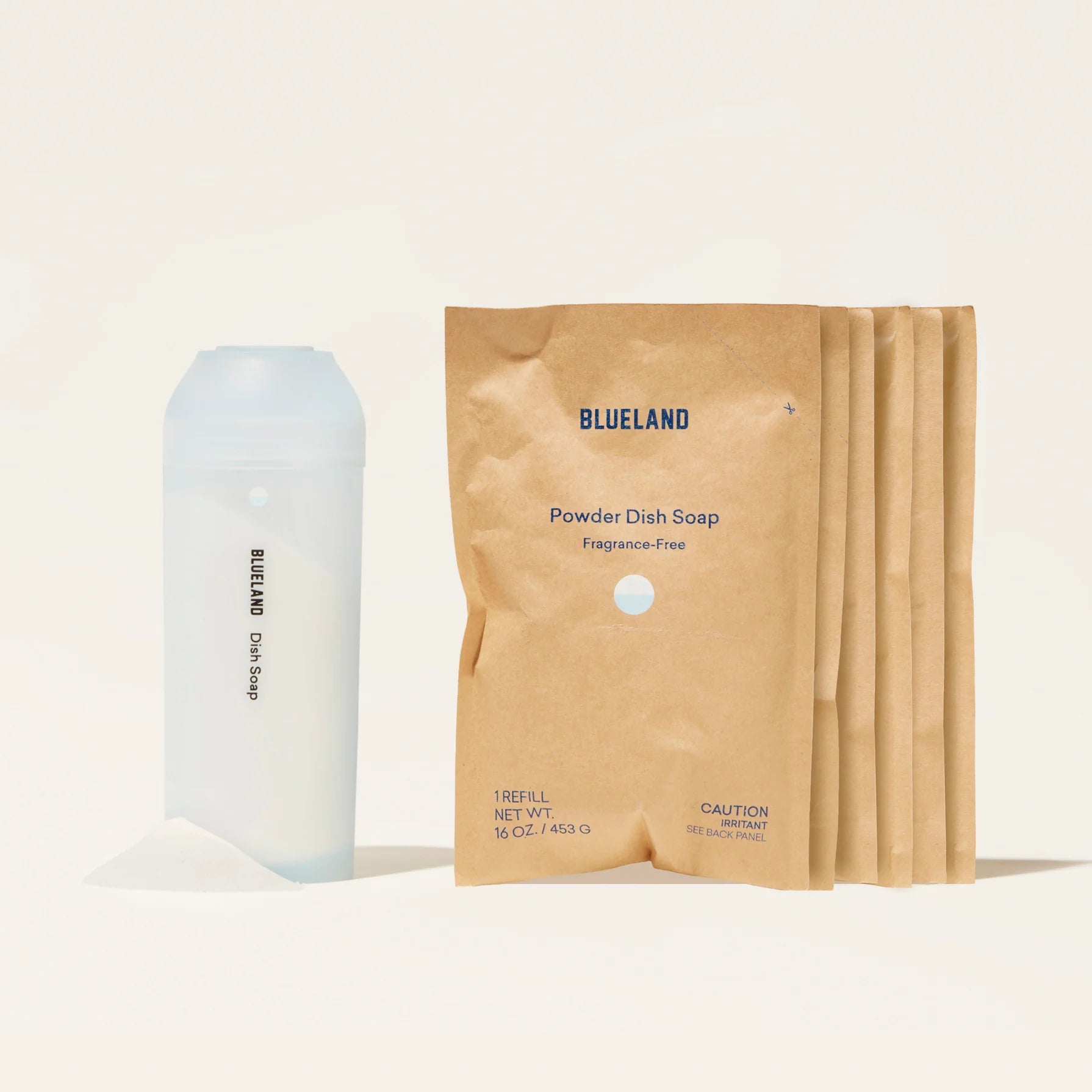
Look for sponges made from 100% natural cellulose (often from wood pulp) and plant-based dyes. These can be composted at the end of their life, typically after 2-4 weeks of use. Pair them with Dish Soap Refills for a fully plastic-free dishwashing routine.
2. Loofah Sponges
Natural loofah is a gourd that’s dried and used as a scrubber. It’s tough enough for dishes but gentle on surfaces. It’s fully biodegradable and lasts about 3-4 weeks before needing replacement.
3. Swedish Dishcloths
These are not sponges per se, but a thin, highly absorbent cloth made from cellulose and cotton. They can replace up to 17 rolls of paper towels and are machine washable or compostable at end of life.
4. Reusable Silicone Scrubbers
Non-porous and dishwasher-safe, silicone scrubbers last for years. They’re excellent for scrubbing without scratching non-stick pans, and they don’t harbor bacteria like traditional sponges.
How to Pair Sponges with Tablet Refills for Maximum Effect
Your sponge is only as good as the cleaning solution you use. Bluelandoutlet’s tablet refills are designed to work with any sponge or cloth. Here’s how to combine them for different tasks:
Kitchen Countertops and Stovetops
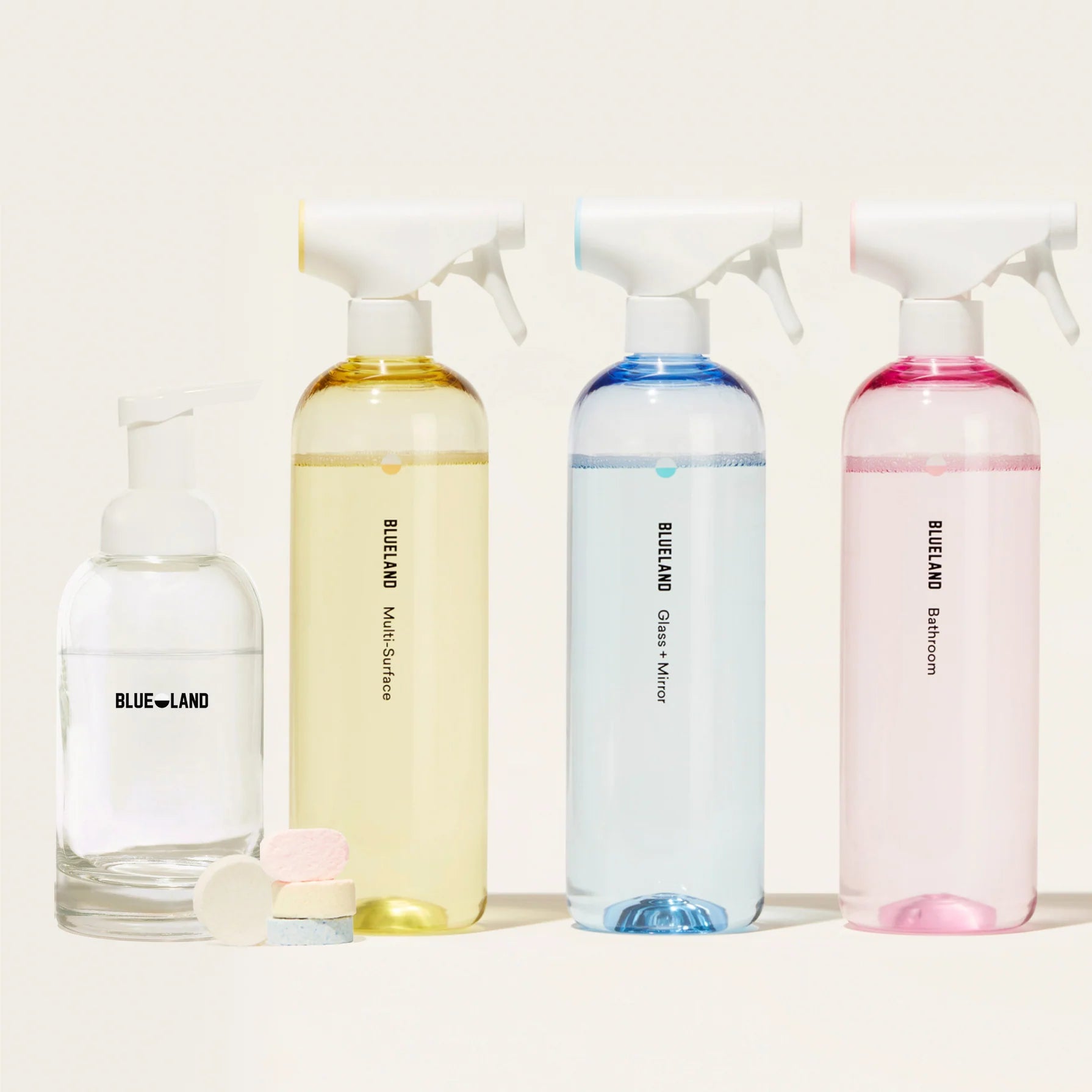
Use a cellulose sponge or Swedish dishcloth dampened with water and a spritz of Multi-Surface Cleaner Tablet Refills (dissolved in the Forever Bottle). Wipe down counters, stovetops, and backsplashes. For stuck-on food, let the cleaner sit for a minute before scrubbing with the scrubby side of a polyurethane sponge.
Dishwashing
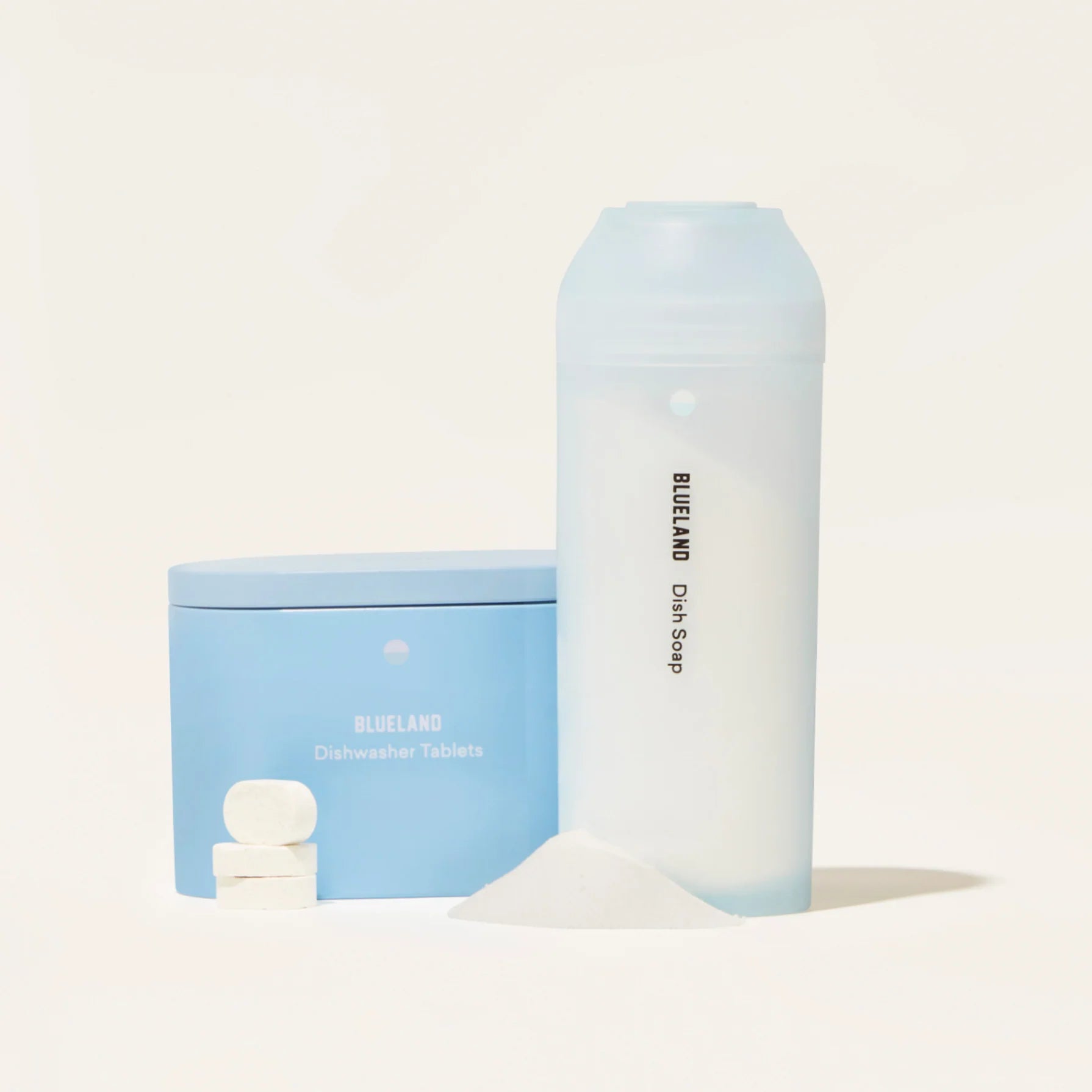
For hand-washing dishes, a soft cellulose sponge works well with Dish Soap Refills, which create a rich, grease-cutting lather without synthetic fragrances. For pots with burnt-on residue, use a stainless steel scrub pad (carefully, as it can scratch).
Bathroom Surfaces
Bathroom grime requires a tougher approach. Use a scrub pad with a handle for tile and grout, and pair it with a dissolved Multi-Surface Cleaner Tablet Refill to cut through soap scum and hard water stains.
Sponge Care and Hygiene: How to Keep Them Clean
Wet sponges are breeding grounds for bacteria. To prolong the life of your sponge and keep your home hygienic:
- Rinse thoroughly after each use and squeeze out excess water.
- Microwave damp sponges for 1-2 minutes (only if they contain no metal) to kill 99% of bacteria.
- Replace sponges every 1-2 weeks for cellulose sponges, or as soon as they start smelling.
- Use a dedicated sponge for dishes and a separate one for countertops to avoid cross-contamination.
Comparison Table: Best Sponge Types for Common Tasks
| Task | Best Sponge Type | Why It Works |
|---|---|---|
| Delicate glassware | Natural sea sponge or microfiber cloth | Soft, non-abrasive, prevents scratches |
| Non-stick pans | Silicone scrubber or soft cellulose sponge | No scratching, gentle on coating |
| Burnt-on food (pots) | Stainless steel scrub pad | Aggressive but safe for metal surfaces |
| Bathroom tile | Scrub pad with handle (nylon) | Leverage and durability for grout |
| Everyday dishes | Cellulose sponge (compostable) | Absorbent, eco-friendly, effective |
| Countertops | Swedish dishcloth or microfiber | Absorbent, streak-free, reusable |
Eco-Friendly Sponge Alternatives vs. Traditional Sponges
Traditional plastic sponges contribute to microplastic pollution and landfill waste. Eco-friendly alternatives like cellulose, loofah, and silicone are better for the planet. However, each has trade-offs:
- Cost: Silicone sponges cost more upfront but last for years. Cellulose sponges are cheap but need frequent replacement.
- Absorbency: Cellulose and sea sponges are highly absorbent; silicone is not.
- Odor resistance: Silicone and natural sea sponges resist odors better than cellulose.
For most households, a combination works best: use a silicone scrubber for heavy-duty tasks and a compostable cellulose sponge for daily dishwashing.
How to Integrate Sponges with Bluelandoutlet’s Refill System
To maximize sustainability, pair your chosen sponge with Bluelandoutlet’s tablet refills. For example, use a reusable silicone scrubber with a dissolved Oxi Laundry Booster Refills tablet (in a spray bottle of water) to pre-treat stains on clothing before laundering. For dish duty, combine a cellulose sponge with the Dish Soap Refills for a zero-waste dishwashing station.
Final Tips for Choosing the Best Scrub Sponge
- Match sponge abrasiveness to surface sensitivity.
- Prioritize materials that are compostable or long-lasting.
- Buy a few types and test them in different areas of your home.
- Always have a dedicated sponge for cleaning bathroom vs. kitchen.
- Store sponges in a dry, well-ventilated place between uses.
Ready to upgrade your cleaning kit? Explore our full range of plastic-free cleaning solutions and pair them with the perfect sponge. For a head start, check out the Dish Soap Refills—they work beautifully with any sponge to cut grease without harsh chemicals.