Bathroom Cleaner Tablets vs. Liquid Cleaners: Which Is More Effective for Mold and Mildew?
By Bluelandoutlet | Published: 2026-06-11
Category: Product Reviews
Compare bathroom cleaner tablets vs. liquid cleaners for tackling mold and mildew. Discover effectiveness, eco-friendliness, and cost to choose the best solution for your bathroom.
Bathrooms are a hotspot for mold and mildew due to constant moisture, humidity, and poor ventilation. Whether it's black spots in grout lines, pink slime on shower curtains, or mildew on caulk, these fungi not only look unsightly but can also trigger allergies and respiratory issues. When it comes to cleaning, you have two main options: traditional liquid bathroom cleaners and the newer concentrated bathroom cleaner tablets. This article compares their effectiveness against mold and mildew, considering factors like active ingredients, application ease, environmental impact, and cost. We'll dive into the science and practical use to help you decide which method truly delivers a sparkling, mold-free bathroom.
How Mold and Mildew Form in Bathrooms
Mold and mildew thrive in damp, warm environments. Bathrooms provide ideal conditions—steam from showers, splashes from sinks, and lingering moisture on surfaces. Mildew is a surface-level fungus that appears as a powdery or fuzzy white, gray, or black growth, while mold penetrates deeper into porous materials like grout and drywall. Effective cleaning requires products that not only remove visible growth but also kill spores and prevent regrowth. Both liquid cleaners and tablets aim to achieve this, but their mechanisms differ.
Liquid Bathroom Cleaners: Traditional Approach
Liquid cleaners have been the go-to for decades. They typically contain bleach, ammonia, quaternary ammonium compounds (quats), or hydrogen peroxide. For mold and mildew, bleach-based liquids are popular because they kill spores on non-porous surfaces like tiles and glass. However, liquids often require significant scrubbing, can release harsh fumes, and their packaging generates plastic waste. A common complaint is that many liquids are diluted with water, making them less concentrated and requiring larger amounts per cleaning session.
Bathroom Cleaner Tablets: Modern Innovation
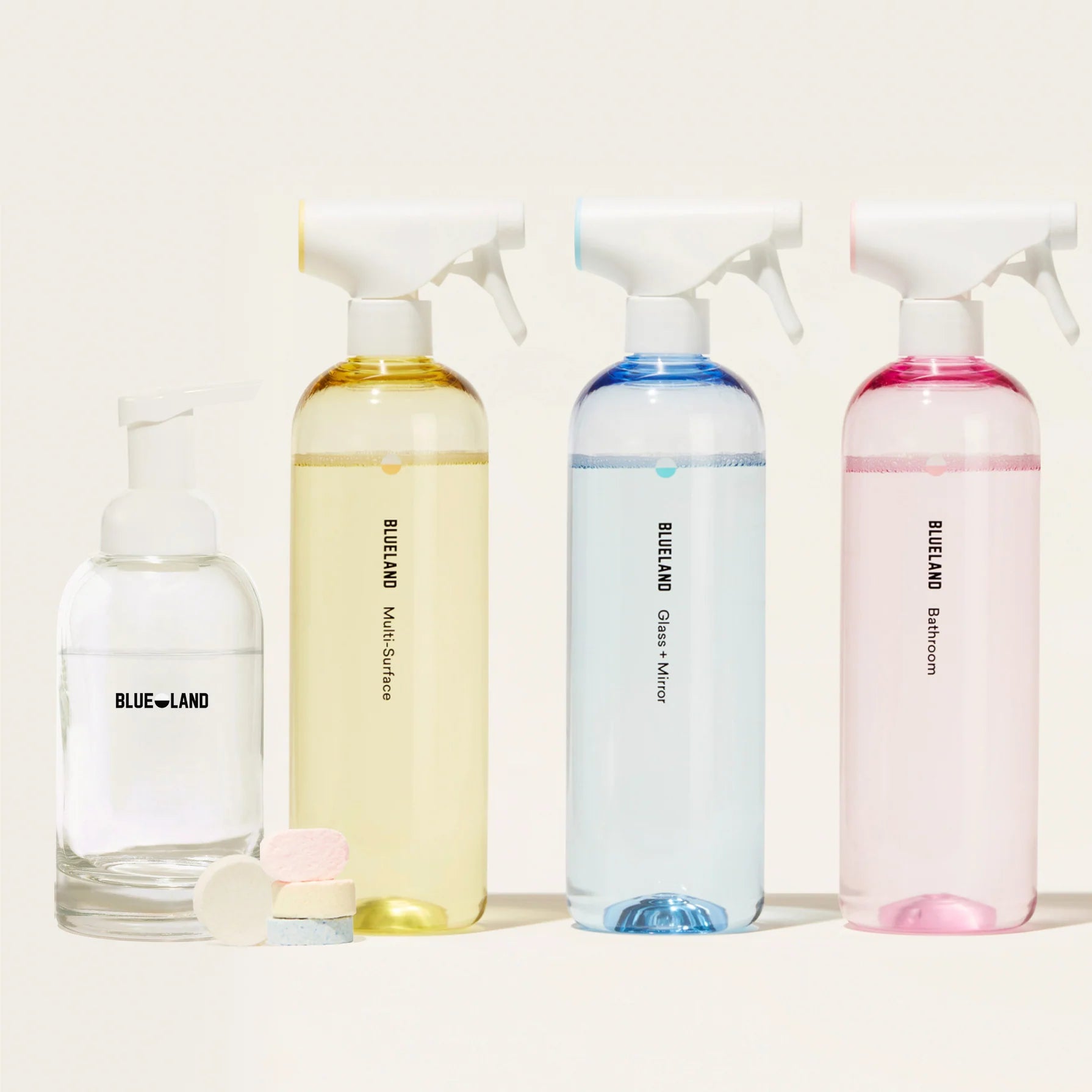
Bathroom cleaner tablets are a newer category in the cleaning market. These small, solid tablets dissolve in water inside a reusable spray bottle to create a powerful cleaning solution. Brands like Bluelandoutlet offer formulations specifically designed to combat mold and mildew. The key advantage is that tablets are highly concentrated—you're not shipping water, which reduces carbon footprint. They often use plant-based surfactants and citric acid as active ingredients, which are effective against mildew while being gentler on surfaces and safer for households with kids or pets.
Effectiveness Against Mold and Mildew: Key Factors
To compare effectiveness, we need to evaluate several criteria: active ingredients, dwell time, scrubbing requirement, surface compatibility, and prevention of regrowth. Below is a detailed breakdown.
Active Ingredients and Their Mold-Killing Power
| Cleaner Type | Typical Active Ingredients | Mold/Mildew Efficacy |
|---|---|---|
| Liquid (Bleach-based) | Sodium hypochlorite (5-8%) | Kills spores on non-porous surfaces; ineffective on porous surfaces like grout |
| Liquid (Peroxide-based) | Hydrogen peroxide (3-6%) | Kills spores, less fumes; may lighten colored grout |
| Tablet (Citric acid-based) | Citric acid, plant surfactants | Breaks down mildew; less effective on deep mold without scrubbing |
| Tablet (Oxygen bleach) | Sodium percarbonate | Releases hydrogen peroxide; good for grout and fabric; requires warm water |
Bleach-based liquids are undeniably powerful against mold on non-porous surfaces, but they can damage grout over time and produce toxic fumes. Tablet formulas, such as those from 1 Year of Bathroom Cleaner, often rely on citric acid or oxygen bleach, which are safer and still effective when left to dwell. For deep mold in grout, a tablet solution may require multiple applications or a paste (tablet crushed with minimal water).
Dwell Time and Scrubbing
For any cleaner to kill mold and mildew, it needs time to penetrate and break down the fungal cell walls. Liquids tend to run off vertical surfaces quickly, reducing dwell time unless you apply generously or use a gel formula. Tablets, when dissolved in water, create a solution that can be sprayed and left for 5-10 minutes. Some users find that tablet solutions cling better if you add a small amount of a natural thickener like xanthan gum, but this is optional. Scrubbing is still often required for visible mold, especially in grout lines. The Cloud Cloth is an excellent reusable tool for gentle scrubbing without scratching surfaces, and it works well with both liquid and tablet cleaners.
Surface Compatibility
Liquids with bleach can discolor colored grout, natural stone, and certain plastics. They also emit strong fumes that can irritate lungs. Tablet cleaners, especially those based on citric acid, are generally safe on all surfaces—including marble and quartz—when used as directed. However, citric acid can etch unsealed natural stone if left too long, so always test in an inconspicuous area. For routine mildew prevention on shower walls, a mild tablet solution is often gentler and still effective.
Practical Comparison: User Experience and Convenience
Beyond chemistry, real-world use matters. Liquid cleaners are ready to use—just spray and wipe. But they come in bulky plastic bottles that contribute to landfill waste. Tablets require a reusable spray bottle and a few minutes to dissolve, but once mixed, you have a fresh cleaning solution. Many users report that tablet solutions feel less harsh on their hands and lungs, encouraging more frequent cleaning—which is key for preventing mold regrowth.
Cost Analysis Over Time
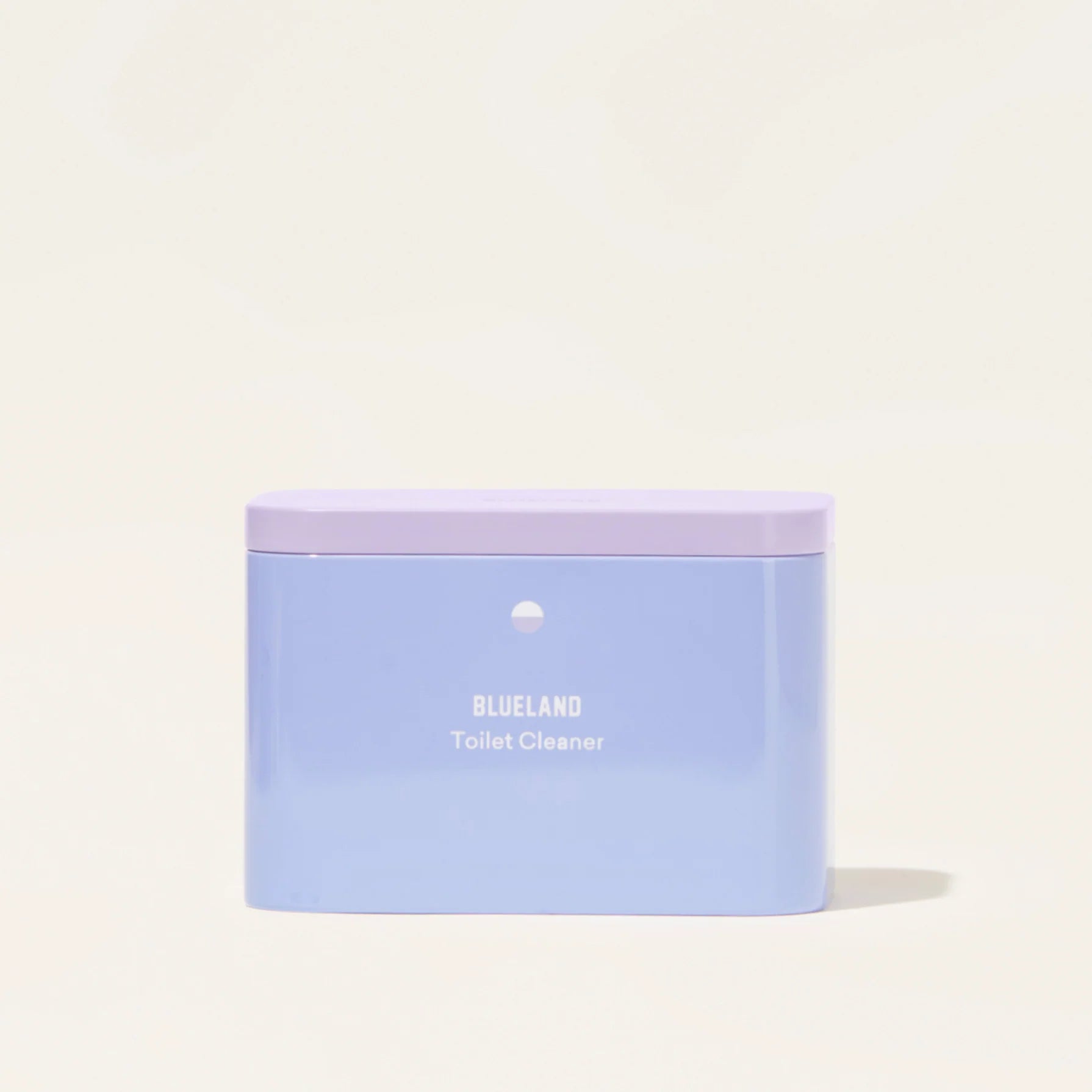
Liquid cleaners typically cost $3–$8 per bottle, and you may need multiple bottles per month for a mold-prone bathroom. Tablets are often more cost-effective per use. For example, a tablet refill pack can yield dozens of bottles' worth of cleaner, and you only pay for the concentrated formula. The 1 Year of Bathroom Cleaner bundle provides a full year's supply in a compact tin, drastically reducing packaging waste and long-term cost.
Environmental Impact
Liquid cleaners contribute significantly to plastic pollution—over 80% of bathroom cleaner bottles end up in landfills. Tablets eliminate this waste. Additionally, tablet manufacturing often uses less energy because water isn't transported. Most tablet brands also avoid harsh chemicals like bleach, making their wastewater safer for aquatic ecosystems. For eco-conscious households, tablets are a clear winner in sustainability.
Which Is More Effective for Mold and Mildew?
The answer depends on the severity and location of the mold. For a quick clean of non-porous surfaces like shower doors and mirrors, both work. For heavy, embedded mold in grout, a bleach-based liquid may be more effective initially, but it can damage the grout long-term. Tablet solutions with oxygen bleach (sodium percarbonate) are excellent for soaking tile and grout—mix a higher concentration, apply, let sit for 15 minutes, scrub, and rinse. For ongoing prevention, a weekly spray with a tablet-based cleaner is safer and more sustainable.
When to Choose Tablets
- You want to reduce plastic waste and switch to eco-friendly cleaning.
- You need a mild, non-toxic solution for daily mildew prevention.
- You have sensitive skin or respiratory issues.
- You prefer a compact, lightweight storage option.
When to Stick with Liquids
- You have severe black mold that requires immediate heavy-duty treatment.
- You dislike mixing your own cleaning solution.
- You need a thick gel that clings to vertical surfaces without dripping.
Tips for Maximum Mold and Mildew Removal
Regardless of the cleaner you choose, follow these steps for best results:
- Ventilate: Open windows or run the exhaust fan to reduce humidity.
- Pre-treat: Spray the affected area and let the cleaner dwell for at least 5-10 minutes.
- Scrub gently: Use a soft brush or a reusable cloth like the Cloud Cloth to avoid damaging surfaces.
- Rinse thoroughly: Mold spores can remain; rinsing with clean water helps.
- Dry completely: Wipe surfaces dry post-shower to prevent mildew regrowth.
- Repeat weekly: Consistent maintenance is key to keeping mold at bay.
Our Verdict: Tablets Win for Routine Cleaning
For most households, bathroom cleaner tablets offer a superior balance of effectiveness, safety, and sustainability. They perform admirably against mildew and light mold, especially when used consistently. For occasional deep-cleaning of serious mold outbreaks, you may still need a liquid bleach cleaner, but for everyday use, tablets are the smarter choice. Plus, you'll save money and reduce plastic waste over time.
Final Recommendation
If you're ready to make the switch to a cleaner, greener bathroom routine, consider a complete system that includes a reusable spray bottle and concentrated tablets. The 1 Year of Bathroom Cleaner bundle is an excellent starting point—it provides a full year's supply in a compact tin, perfect for keeping your bathroom mold-free without the environmental guilt. Pair it with the Cloud Cloth for streak-free, chemical-free wiping. Your bathroom—and the planet—will thank you.