Are Refillable Cleaning Products Actually Cost-Effective? A Year-Long Savings Analysis
By Bluelandoutlet | Published: 2026-05-26
Category: Product Reviews
Discover if refillable cleaning products save you money over a year. We analyze cost per use, waste reduction, and long-term savings with tablet refills.
When you first see the price of a starter set for tablet-based cleaning products, it's easy to do a double take. A Dishwasher Detergent Starter Set or a Multi-Surface Cleaner Starter Set might cost more upfront than a bottle of liquid cleaner from the supermarket. But the key question for any budget-conscious, eco-minded shopper is: do refillable cleaning products actually save you money over the long run? We crunched the numbers over a full year of home use to give you a clear, honest answer.
Upfront Investment vs. Ongoing Savings
The biggest psychological hurdle is the initial purchase. Traditional cleaning products are sold as single-use bottles, often priced low because the plastic and water weight are cheap. Refillable systems require a container (like the Forever Tin or a spray bottle), which adds to the first cost. But that container is designed to last for years. After the first purchase, you only buy lightweight, waterless tablet refills. This shift from buying heavy liquid bottles to compact tablets reduces shipping weight, packaging waste, and—most importantly—your recurring cost per use.
Let's take laundry as an example. A standard liquid laundry detergent might cost $0.20 to $0.35 per load. A Laundry Detergent Tablet Refill costs roughly $0.15 per load when bought in bulk multipacks. Over 100 loads, that's a savings of $5 to $20. The savings compound across every cleaning category in your home.
Year-Long Cost Breakdown: The Big Three
To give you a concrete picture, we modeled a typical household's cleaning needs over 12 months, comparing tablet refills to conventional products. We used average retail prices for conventional cleaners and Bluelandoutlet's regular pricing for refills.
| Category | Conventional (Annual) | Tablet Refills (Annual) | Savings |
|---|---|---|---|
| Laundry Detergent | $60 (liquid, 200 loads) | $40 (tablets, 200 loads) | $20 |
| Multi-Surface Cleaner | $35 (spray bottles, 150 refills) | $25 (tablet refills + starter set amortized) | $10 |
| Hand Soap | $30 (liquid bottles, 100 refills) | $20 (tablet refills + starter set amortized) | $10 |
| Total | $125 | $85 | $40 |
That's a 32% reduction in annual spending on these three categories alone. And the savings grow in year two and beyond because the starter sets are already paid for.
Hidden Savings: Less Water, Less Weight, Less Waste
Beyond the direct cost per use, refillable tablets offer hidden financial benefits. Liquid cleaners are 80-90% water. You're paying to ship and store water. Tablet refills are dry and compact, meaning they take up less space in your home and require less fuel to transport. While you don't see the shipping cost line item, it's baked into the retail price. Waterless products inherently cost less to distribute, and those savings are passed on to you.
Also consider the cost of trash bags. A family using liquid cleaners might throw away 20-30 plastic bottles per year. With tablet refills, you throw away a small paper wrapper or aluminum packet. Fewer bottles means fewer trash bags, and for those paying per bag (common in some municipalities), that's a direct savings.
Breaking Down the Starter Set Cost
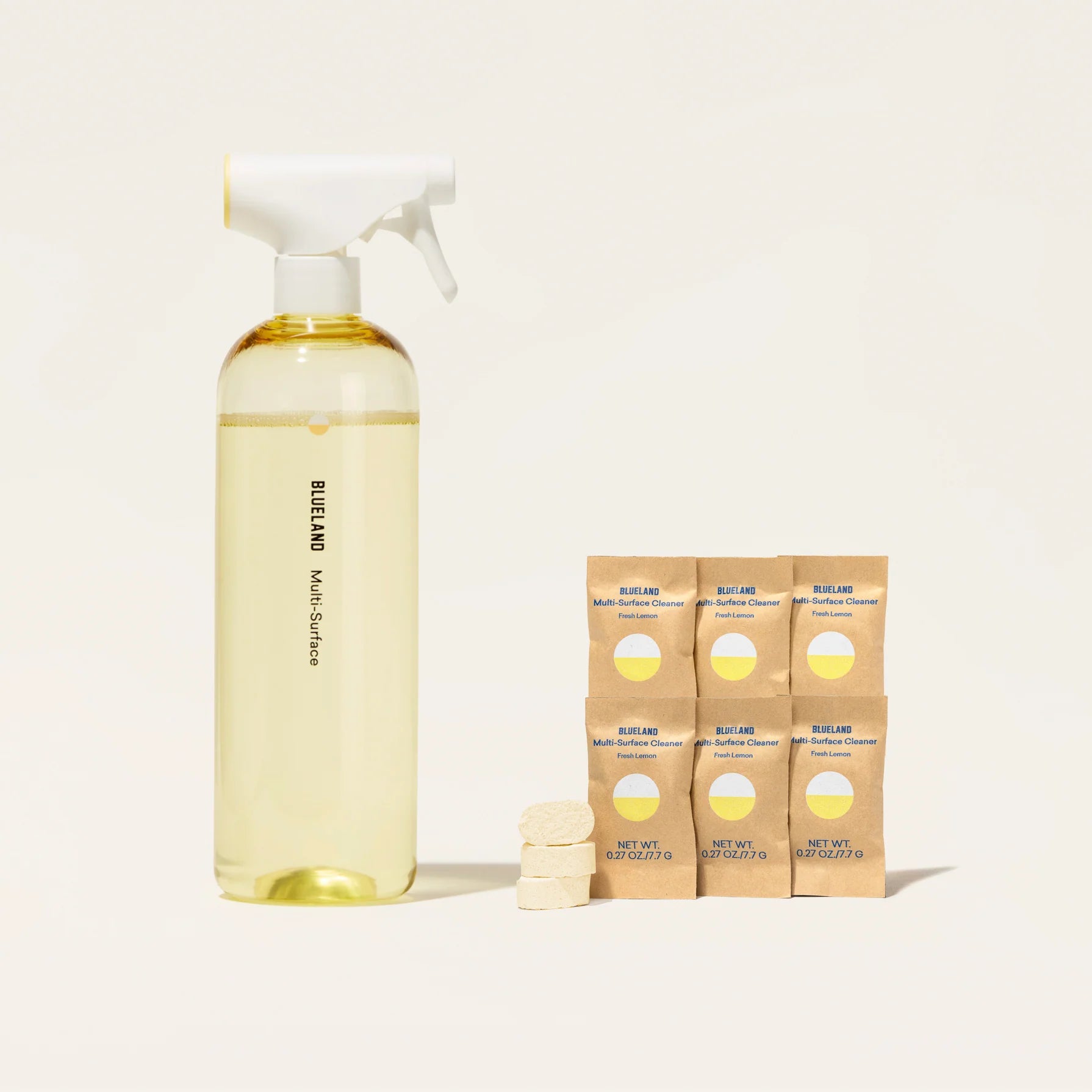
Let's address the elephant in the room: the starter set. A Multi-Surface Cleaner Starter Set might cost $20, while a single bottle of conventional cleaner is $4. But the starter set includes a high-quality spray bottle that lasts for years and enough tablets for multiple refills. Meanwhile, that $4 bottle of conventional cleaner is a single-use container. You'll buy at least 6-8 bottles per year for the same cleaning power. After the first year, the starter set has paid for itself, and you're saving on every subsequent refill.
We recommend amortizing the starter set cost over three years. If the set costs $20 and you use it for 36 months, that's only $0.55 per month. Add the refill cost, and you're still ahead of conventional products by month 8 or 9.
Laundry Booster: A Special Case
One product that often surprises people is the laundry booster. A bottle of oxygen-based stain remover can cost $8-$12 for 24 uses. The Oxi Laundry Booster Refills provide similar stain-fighting power at roughly $0.30 per use, compared to $0.35-$0.50 per use for conventional brands. Over a year of weekly stain treatment, that's a savings of $10-$15. Plus, you eliminate another plastic jug from your laundry room.
Cost Per Use: The Ultimate Metric
To truly compare, always calculate cost per use. Here's a quick reference for common refillable products:
- Laundry Detergent Tablet Refill: ~$0.15 per load
- Multi-Surface Cleaner Tablet Refill: ~$0.06 per spray bottle fill
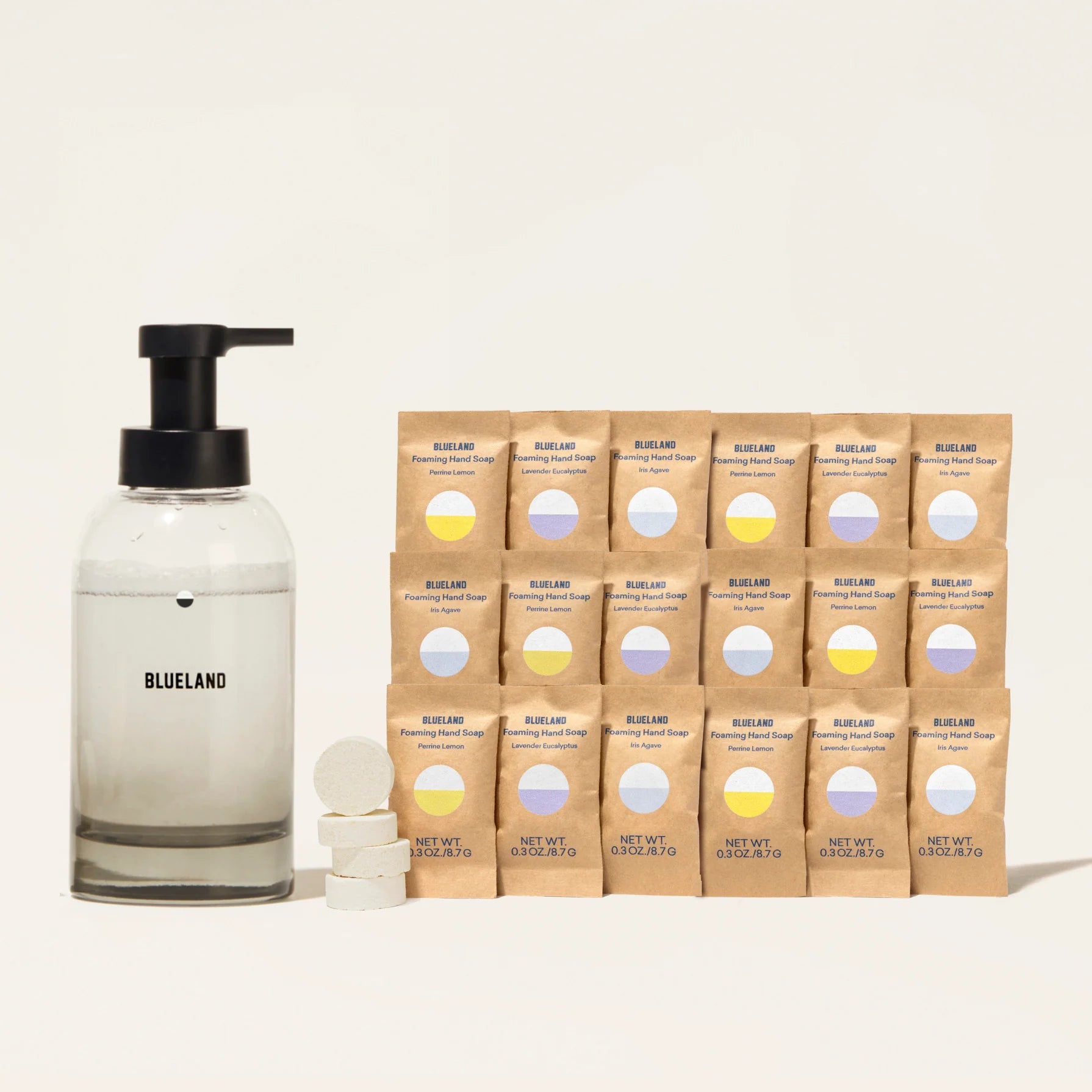
- Hand Soap Tablet Refill: ~$0.04 per pump (based on 250 pumps per refill)
- Toilet Bowl Cleaner Tablet Refill: ~$0.12 per toilet cleaning
- Dishwasher Detergent Tablet Refill: ~$0.18 per cycle
Compare these to conventional alternatives: liquid laundry detergent ($0.20-$0.35 per load), spray cleaners ($0.10-$0.20 per use), liquid hand soap ($0.08-$0.12 per pump), and dishwasher pods ($0.20-$0.40 per cycle). The savings range from 20% to 60% per use.
Non-Financial Savings: Time and Space
While this analysis focuses on money, don't underestimate the value of time and space. Refillable tablets arrive in small, lightweight packets. You can store 200 loads of laundry detergent in a shoebox. No more lugging heavy jugs from the store or finding room for bulky bottles under the sink. The time saved from fewer shopping trips and less waste management is a bonus that adds up.
The Verdict: Do They Save Money?
Yes, refillable cleaning products are cost-effective—especially when you commit to the system for at least one year. The upfront cost of starter sets is recouped within 6 to 12 months, and from then on, you enjoy consistent savings. The exact amount depends on your household size and cleaning habits, but our analysis shows a typical family can save $30 to $60 per year on cleaning products alone.
And that's before factoring in the environmental benefits: fewer plastic bottles in landfills, reduced carbon emissions from shipping, and less chemical runoff into waterways. So you're not just saving money—you're investing in a cleaner planet.
Final Thoughts: Start Small, Save Big
If you're new to refillable cleaning, start with one category that you use most often—like laundry or multi-surface cleaner. Track your spending for three months, then compare it to your previous conventional product spending. You'll likely see the savings within the first quarter. As you replace more categories, the savings compound.
Ready to start saving? Explore the Oxi Laundry Booster Starter Set and see how quickly the numbers work in your favor. Your wallet—and the planet—will thank you.